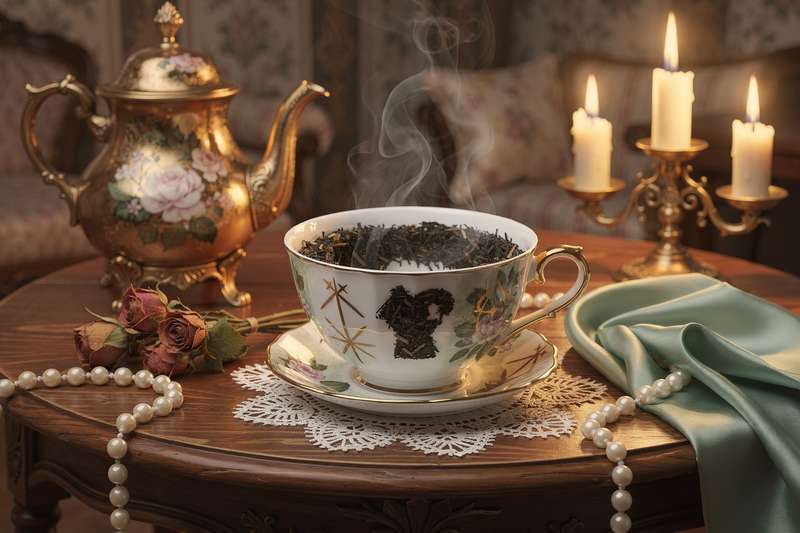
What Is Tasseography and Why It Matters
Tasseography—the art of reading tea leaves—is an ancient divination practice that invites you to interpret the patterns and symbols formed by tea leaves in your cup. Unlike rigid divination systems with fixed rules, tasseography speaks to your intuition. You’re not following a rulebook; you’re listening to what emerges from the leaves and trusting what your inner wisdom tells you.
This practice dates back centuries and has been used by seekers across cultures to gain clarity on life’s questions. The beauty of tea leaf reading lies in its accessibility. You don’t need expensive tools or years of training. You need only loose-leaf tea, a cup, and your willingness to tune in.
What You’ll Need to Get Started
Before you begin, gather these essentials:
- A teacup: Choose a regular teacup rather than a mug. Teacups have the ideal shape—narrower at the base, wider at the rim with gentle sloping sides—which allows tea leaves to settle in varied patterns that reveal more detail than a mug’s vertical walls would show.
- Loose-leaf tea: Use coarse, dried loose-leaf tea. Tea bags won’t work because the leaves need room to move and settle into meaningful formations.
- A saucer: This catches liquid as you flip the cup and provides a resting place for your reading.
- Hot water: Brew your tea as you normally would, using water that’s hot enough to steep the leaves properly.
- An open mind: This is the most essential ingredient. Trust your intuition and remain receptive to what you see.
The Five-Step Reading Process
Step 1: Set Your Intention
Before you sip, pause. Hold your cup in both hands and bring awareness to a specific question or life area you want insight into—whether it’s love, career, personal growth, or simply clarity about what’s unfolding right now. This intention acts as a bridge between your conscious mind and the symbols that will appear. You’re essentially telling the universe (and your deeper self) what you’re open to understanding.
Step 2: Brew and Sip Mindfully
Steep your tea and drink it slowly. This isn’t about rushing through a cup of tea; it’s a meditative experience. As you sip, stay connected to your intention. Notice how the warmth feels, the taste, the aroma. This ritual preparation matters because you’re entering a space of heightened awareness.
Step 3: Leave Liquid and Swirl
When you’ve finished most of your tea, leave a small amount of liquid in the cup—roughly a teaspoon or so. Gently swirl the cup three times in a clockwise direction, allowing the tea leaves to coat the interior walls and settle into new formations. This motion distributes the leaves across the cup’s surface, creating the canvas for your reading.
Step 4: Invert and Drain
Carefully flip the cup upside down onto your saucer. As it sits, the remaining liquid drains away, leaving the tea leaves clinging to the interior. This act of inversion is symbolic—you’re shifting from the everyday, physical world into the realm of intuition and symbolism. Take a breath. Hold the cup for a moment, infusing it with your energy.
Step 5: Turn and Interpret
Gently turn the cup right-side up. Now comes the magic—examine the leaves carefully. What do you see? Don’t rush this step. Move the cup slowly, tilting it to catch light and see details. The formation of leaves is as unique as your fingerprint. Some symbols will be clear; others will be abstract patterns. This is where your intuition takes the lead. What does your gut tell you about what you’re seeing?
Understanding Tea Cup Zones and Positions
The position of symbols within your cup carries meaning. Your teacup is divided into distinct zones, each corresponding to different timeframes and life areas.
The Rim: The Near Future
Symbols appearing at the rim of your cup represent events and energies approaching in the near term—typically the coming weeks or months. These are active, emerging influences. If you see a symbol at the rim, pay attention; it’s knocking on your door.
The Upper Sides: Present Circumstances
Leaves settled on the upper portions of the cup’s sides reflect your current situation. These are the energies, people, and circumstances present in your life right now. They’re the foundation upon which near-future developments will unfold.
The Middle: Transition and Influence
The middle zone of the cup represents transition, influence, and the bridges between present and future. Symbols here often show how current situations are shifting or what forces are shaping change in your life.
The Bottom: The Distant Future or Deep Truth
Symbols at the cup’s bottom point to the distant future, hidden influences, or the root truth beneath a situation. These are profound, foundational messages. The bottom of the cup is where the deepest wisdom settles—it requires patience and attention to see clearly.
The Handle: The Self or the Querent
Many readers consider the cup’s handle to represent you—the person asking the question. Symbols near the handle speak directly to your role, your perspective, or your personal journey within the situation you’re exploring.
Timing in Tea Leaf Readings
Beyond position, timing is communicated through the nature of the symbols themselves and their placement:
- Quick changes: Lighter, more delicate leaf formations suggest rapid shifts. You might see thin lines or scattered, fine patterns.
- Slow unfoldment: Dense, thick clusters of leaves indicate processes that will take time. These changes move steadily but not quickly.
- Immediate influence: Symbols touching the rim or handle speak to present moments and the immediate days ahead.
- Layered timing: Complex formations with multiple symbols may reveal a series of events, each with its own timing. Read them from rim to bottom to understand the sequence.
Common Tea Cup Symbols and Their Meanings
While interpretation is deeply personal, here are symbols you’ll frequently encounter:
- Heart: Love, affection, emotional connection, or a reminder to nurture relationships.
- Key: Solutions, opportunities unlocking, access to hidden knowledge, or new doors opening.
- Tree: Growth, health, strong foundations, stability, or personal development.
- Ship or Boat: A journey—physical travel, life transitions, or exciting opportunities ahead.
- Snake: Transformation, shedding old patterns, change, evolution, or the need for caution.
- Cross: A choice, challenge, decision point, or spiritual guidance needed.
- Crescent Moon: Emotional shifts, intuitive messages, dreaming, or trusting your instincts.
- Bird: Freedom, communication, spirituality, messages, or movement.
- Circle: Completion, unity, wholeness, cycles completing, or harmony.
- Star: Hope, guidance, clarity, or spiritual alignment.
- Mountain: Obstacles, challenges to overcome, but also strength and perspective from high ground.
- Water or Wave: Emotional currents, flow, fluidity, cleansing, or going with the current.
Remember: these are starting points. If you see a heart and it speaks to something different in your life, trust that interpretation. Your intuition is the true guide.
Developing Your Tea Reading Practice
Trust Your First Impression
When you examine the leaves, your immediate instinct is often correct. Don’t overthink or second-guess what you’re seeing. Your intuitive mind processes the symbols faster than your analytical mind. Honor that knowing.
Keep a Reading Journal
After each reading, write down what you saw, what you interpreted, and what happened afterward. Over time, you’ll recognize patterns in how symbols appear for you specifically. Your personal symbol vocabulary will deepen, and your readings will become more accurate.
Read for Yourself First
Before reading for others, practice with your own cups. This builds confidence and helps you understand how your intuition communicates with you. Everyone’s intuition has a unique voice; discovering yours takes time.
Practice Regularly
Like any skill, tea reading improves with practice. The more cups you read, the more comfortable you become with the process. You’ll develop an eye for detail and a faster intuitive response.
Avoid Common Pitfalls
Don’t read when you’re distracted, anxious, or forcing answers. A reading works best when you’re calm and open. Also, avoid reading the same question repeatedly in a single day—this clouds your intuition with repetition rather than fresh insight. Give yourself time between readings on the same topic.
The Deeper Meaning of Your Tea Cup
Tea leaf reading isn’t about predicting a fixed future written in stone. Instead, it’s a conversation between you and your inner wisdom. The tea leaves become a mirror, reflecting back what you already sense but haven’t yet acknowledged. They illuminate possibilities, reveal hidden patterns, and empower you to make conscious choices.
Every reading is an act of self-trust. You’re choosing to listen to your intuition and honor the messages that emerge. This practice strengthens your connection to your own knowing and helps you navigate your life with greater clarity and confidence.
FAQ
Can I use tea bags instead of loose-leaf tea?
Tea bags won’t work effectively because the leaves inside are too finely ground and contained. You need loose leaves that can move freely within the cup and settle into visible patterns. Loose-leaf tea also tends to be higher quality, which many readers find enhances the energy of the reading.
How long does a tea reading take?
The actual sipping takes as long as you need—usually 5-15 minutes depending on how mindfully you approach it. The interpretation phase can take anywhere from 5 to 20 minutes. Don’t rush; allow yourself time to really see the leaves and sit with the symbols that emerge.
What if I don’t see clear symbols in the leaves?
This is completely normal, especially when you’re beginning. Sometimes the leaves form abstract patterns rather than recognizable shapes. Trust what you do see, even if it’s just lines, clusters, or general impressions. Your intuition may communicate through feeling rather than clear imagery. Pay attention to your gut response.
Can I do readings for other people?
Yes, once you feel confident in your own practice, you can read for others. However, always ask permission and be clear that you’re offering intuitive guidance, not definitive predictions. The person receiving the reading should hold their own intention as you prepare the cup, and they should feel free to interpret symbols in ways that resonate with them as well.
What type of tea works best for readings?
Black tea, green tea, herbal blends—use whatever calls to you. Some readers choose tea based on the intention; for love questions, they might use rose hip tea, for clarity, green tea. However, any loose-leaf tea works. Choose based on what feels meaningful to you and what you enjoy drinking.
How often should I read my tea leaves?
There’s no set rule. Some people read daily as a spiritual practice; others read weekly or monthly. Listen to your own rhythm. If you find yourself wanting to read constantly about the same question, give yourself a break—this signals that you’re seeking reassurance rather than new insight. One reading per question per week is a good guideline.