Day of the Dead — or Día de los Muertos — is one of humanity’s most powerful and tender celebrations of life, death, and the enduring love that stretches beyond both. Rooted in indigenous Mesoamerican traditions and recognized by UNESCO as an Intangible Cultural Heritage of Humanity, this sacred festivity sits at a profound astrological crossroads: the heart of Scorpio season, when the veil between the living and the dead is said to be at its thinnest. Whether you are drawn to its marigold-lit altars, its cosmic timing, or the universal call to remember those who came before you, this tradition speaks to something deep and ancient in the human soul.
What Is the Day of the Dead — and Where Does It Come From?
The Day of the Dead is not a mournful occasion. It is a joyful, colorful, and deeply spiritual reunion. Observed primarily on November 1st and 2nd — though preparations often begin days earlier — the celebration invites the spirits of deceased loved ones to return home and share in the warmth of the living.
Its roots run deep into pre-Columbian indigenous cultures of Mexico and Central America, where death was not seen as an ending but as a transformation — a passage into another layer of existence. When Spanish colonizers arrived in the 16th century, indigenous traditions blended with Catholic observances of All Saints’ Day and All Souls’ Day, creating the rich, layered celebration known today.
UNESCO formally recognized this indigenous festivity as Intangible Cultural Heritage in 2008, honoring its role in preserving collective memory, cultural identity, and the spiritual bonds between communities and their ancestors. At its core, the Day of the Dead affirms that love does not stop at the grave.
The Ofrenda: Building a Bridge to the Ancestors
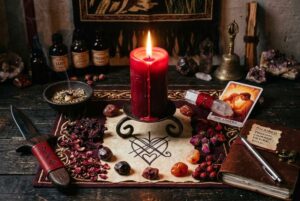
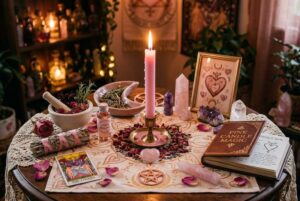
The centerpiece of Day of the Dead is the ofrenda — an altar carefully arranged with photographs, candles, marigold flowers (cempasúchil), food, water, personal objects, and incense. Each element serves a purpose: marigolds guide spirits home with their vivid color and scent, candles illuminate the path, water quenches the thirst of traveling souls, and favorite foods welcome them back with familiar comfort.
Think of the ofrenda not as a religious obligation but as a conversation — a way of saying, I remember you. You still matter. You are still here with me.
The Astrology of Día de los Muertos — Scorpio Season and the Thinning Veil
If you have ever wondered why the Day of the Dead falls when it does, astrology offers a compelling answer. November 1st and 2nd land squarely in the middle of Scorpio season, when the Sun moves through the eighth sign of the zodiac — the sign most intimately associated with death, transformation, ancestral inheritance, and the mysteries that lie beneath the surface of ordinary life.
Scorpio is ruled by Pluto, the planet of the underworld, death, and regeneration. In many ancient traditions, this time of year was considered a liminal threshold — a crack in the cosmic calendar where the boundary between physical and spiritual reality becomes permeable. The Celts called this Samhain; Mesoamerican cultures recognized it in their own cyclical cosmology. Different cultures, same felt truth: around the midpoint between the autumn equinox and the winter solstice, something opens.
The Eight House Connection
In western astrology, the eighth house governs exactly what the Day of the Dead honors: death, inheritance, shared resources, transformation, and communion with what lies beyond the visible world. When you sit at an ofrenda or light a candle for someone you have lost, you are doing eighth-house work — meeting death not with fear, but with love and presence.
If you have significant Scorpio placements or planets in your eighth house, the energy of this season may hit you with particular depth. You might find yourself dreaming of loved ones who have passed, feeling the presence of ancestors more vividly, or experiencing a natural pull toward introspection and emotional honesty.
Pluto, Persephone, and the Descent
The myth of Persephone descending into the underworld each autumn mirrors the spiritual logic of the Day of the Dead. Pluto (the planet) carries this same archetype — the force that strips away surface appearances and demands that you reckon with what is real and enduring. The Day of the Dead, at its heart, is a Plutonian act of courage: facing mortality, not with despair, but with color, music, food, and love.
How to Honor the Dead — Spiritual Rituals for This Sacred Season
You do not have to be Mexican or indigenous to feel the pull of this season and honor those you have lost. The desire to remember the dead is universal. What matters is that you approach it with genuine reverence and cultural respect — understanding that the specific traditions of Día de los Muertos belong to a living community and should be honored, not appropriated.
That said, creating your own ancestor practice this time of year is deeply meaningful, regardless of your background. Here are some ways to work with this sacred energy:
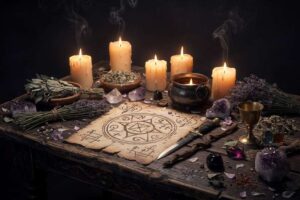
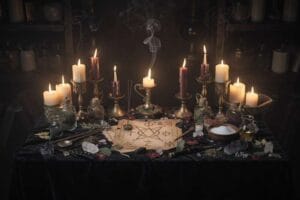
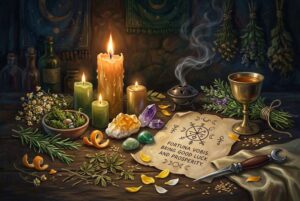
- Build a simple ancestor altar. Choose a quiet corner and place photographs of loved ones who have passed, a candle, a glass of water, and something they loved — a favorite food, a flower, a small object. Light the candle and simply speak their name.
- Write them a letter. Grief often goes unspoken. Writing to someone who has died can release emotions you didn’t realize you were carrying — and many people report a profound sense of connection through this practice.
- Cook their favorite meal. Food is memory. Preparing a dish associated with someone you’ve lost is an act of love that engages all your senses and brings them into the present moment.
- Light marigolds or yellow flowers. Across many traditions, yellow and orange blooms are associated with the sun, warmth, and guiding energy. Placing them in your home during early November honors the spirit of this season.
- Meditate on your lineage. Sit quietly and visualize your ancestral line stretching behind you — generation after generation of people who loved, struggled, created, and survived. You carry their gifts and their unresolved wounds. Acknowledge both.
- Burn copal or incense. Smoke has been used for millennia to carry prayers and intentions upward. Copal resin — traditional to Mesoamerican ceremony — is especially potent during this season, but any sacred incense you feel drawn to will serve.
Crystals That Support Ancestor Work
Certain crystals resonate deeply with the themes of the Day of the Dead and can support your ancestral practice during Scorpio season:
- Obsidian — a volcanic glass long used in Mesoamerican ritual, obsidian is a stone of protection, truth, and shadow integration. It helps you look clearly at what has been passed down through your lineage, both beautiful and difficult.
- Smoky quartz — grounding and protective, smoky quartz anchors you as you open to ancestral energies, preventing overwhelm and keeping you centered in your body.
- Labradorite — a stone of the veil and magic, labradorite is said to strengthen your connection to other dimensions and enhance intuitive communication.
- Black tourmaline — creates a protective energetic boundary during spiritual work, ensuring that your ancestor practice feels safe and contained.
Day of the Dead in the Birth Chart — Reading Your Ancestral Inheritance
Astrology offers a remarkable tool for understanding your ancestral inheritance: the natal chart itself. Your chart is not just a map of your personality — it is, in many ways, a map of what you have inherited from those who came before you.
The Moon and Family Lineage
The Moon in your natal chart speaks to your emotional inheritance — the patterns, wounds, gifts, and instincts passed down through your maternal line and your family of origin. A deeply aspected Moon, or a Moon in Scorpio or Capricorn, can point to particularly strong ancestral influences playing out in your emotional life.
Chiron and Ancestral Wounds
Chiron, the wounded healer asteroid, often points to wounds that did not originate with you — wounds carried through families across generations. Understanding your Chiron placement can illuminate what you have come into this life to heal on behalf of your lineage, and the Day of the Dead is a profound time to acknowledge that work.
The Fourth House — Your Roots
The fourth house in the natal chart governs home, ancestry, roots, and family history. The sign on your fourth house cusp and any planets residing there describe your relationship to your lineage and the emotional foundations laid by those who came before you. During Scorpio season and the Day of the Dead, exploring your fourth house through journaling or meditation can be especially illuminating.
The Universal Language of Grief and Memory
What makes the Day of the Dead so universally resonant is that it does something most modern cultures struggle to do: it makes space for grief without rushing past it, and it transforms remembrance into celebration. In many contemporary societies, death is hidden, sanitized, and hurried through. This tradition says the opposite — sit with it, honor it, feed it, and let it remind you how precious and impermanent this life truly is.
You do not need a specific belief system to feel this. The loss of someone you love is one of the most visceral human experiences there is. And the suggestion that love outlasts the body — that the bond between you and those you have lost remains alive in some form — is one that speaks across cultures, centuries, and spiritual traditions.
The marigold path laid out on November 1st and 2nd is, at its heart, an act of radical love. It says: you are not forgotten. Not by the people who light candles for you, and not by the cosmos that continues to carry your story forward through the ones you left behind.
Frequently Asked Questions
Is the Day of the Dead the same as Halloween?
No — though they share similar timing and both involve themes of death, they are distinct traditions. Halloween has Celtic and later Christian European roots (Samhain and All Hallows’ Eve), while the Day of the Dead is an indigenous Mesoamerican celebration blended with Catholic influence. The Day of the Dead is a joyful, loving commemoration of specific deceased loved ones, not a spooky or frightening holiday.
What does the Day of the Dead have to do with Scorpio season in astrology?
The Day of the Dead falls in early November, directly in the heart of Scorpio season. Scorpio is the zodiac sign most associated with death, transformation, ancestral inheritance, and the mysteries beyond the physical world — ruled by Pluto, the planet of the underworld. Many astrologers and spiritual practitioners view this cosmic alignment as deeply intentional: it is a time of year when the energetic conditions support ancestor work and deep reflection on mortality.
How can I honor the Day of the Dead if I am not Mexican or Latinx?
You can honor the season respectfully by creating your own ancestor altar with photographs and meaningful objects, lighting candles and speaking the names of those you have lost, and learning about the genuine traditions without directly costuming yourself in their specific iconography. The desire to remember the dead is universal — what matters is approaching it with reverence, cultural awareness, and genuine intention.
Which chakras are associated with ancestor work and the Day of the Dead?
The root chakra governs your sense of belonging, family lineage, and ancestral foundation — making it the primary energy center for ancestor work. The third-eye chakra supports intuition and connection to realms beyond the physical, which is particularly relevant during the liminal energy of the Day of the Dead season. Working to balance both can deepen your experience of this sacred time.