Beltane rituals and fire magic invite you to celebrate the peak of spring’s fertile energy through sacred flame, passion, and ancient tradition. As one of the four major fire festivals on the Wheel of the Year, Beltane (celebrated May 1st in the Northern Hemisphere) honors the union of earth and sun, warmth and abundance, light and life. Whether you’re new to pagan practices or deepening your connection to seasonal magic, these Beltane traditions offer practical ways to harness fire’s transformative power and welcome the light half of the year.
This festival—also known as May Day—has roots in Celtic spirituality, where communities lit sacred bonfires to bless livestock, protect crops, and honor fertility deities. Today, you can adapt these powerful rituals for your solitary practice or gather with others to celebrate. The beauty of Beltane lies in its flexibility: you can honor this sabbat through elaborate ceremonies or simple acts of reverence, always guided by your personal path and intentions.
What Is Beltane?
Beltane is a pagan fire festival marking the midpoint between the spring equinox and summer solstice, traditionally celebrated on May 1st (or October 31st-November 1st in the Southern Hemisphere). The name translates to “bright fire” from ancient Gaelic, reflecting this holiday’s deep connection to sacred flames and solar energy. During Beltane, the veil between worlds grows thin—similar to Samhain—making it an ideal time for spirit communication, divination, and asking for divine blessings.
This sabbat celebrates fertility in all its forms: the earth’s abundance, creative projects coming to fruition, passionate relationships, and new life emerging everywhere in nature. You’ll notice sexuality is a recurring theme, not because Beltane is inappropriate, but because ancient cultures understood that reproduction—whether of crops, animals, or ideas—is sacred and life-affirming. Before modern religious constraints, fertility was openly honored as the force that ensures survival and prosperity.
Historically celebrated across Scotland, Ireland, and the Isle of Man, Beltane honors the marriage of the Goddess (often as the May Queen or Earth Mother) with the God (represented as the Green Man, the Horned God, or solar deity). This sacred union blesses the land with warmth, growth, and vitality for the coming months. You don’t need to work with specific deities to celebrate—focus on the energies of passion, creativity, protection, and abundance that naturally peak during this season.
Common Types of Beltane Celebrations
Beltane practices vary widely depending on your spiritual path, but most traditions share common themes of fire, fertility, and honoring nature’s peak vitality. Here are the main approaches you might explore:
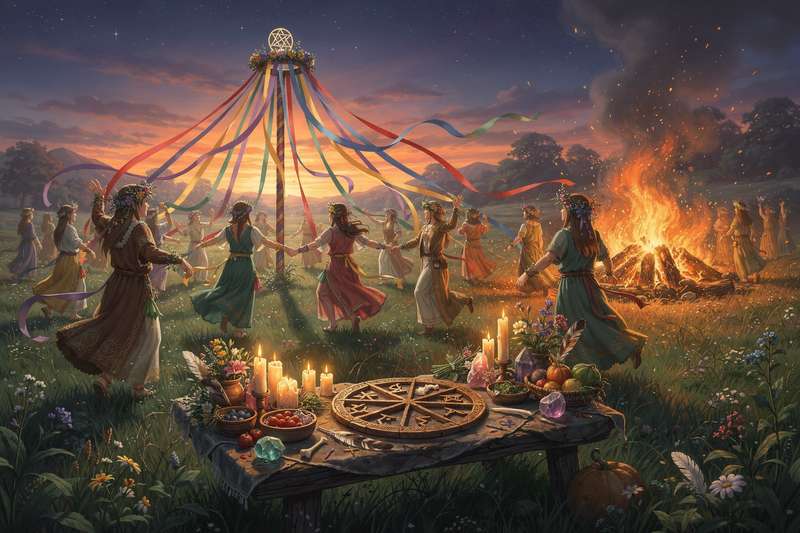
Traditional Fire Festivals: Large community gatherings centered around bonfires, with participants jumping flames for luck, driving livestock between two fires for protection, and carrying home embers to bless their hearths. These public celebrations often include music, dancing, feasting, and ritual drama depicting the seasonal story.
Solitary Nature Rituals: Individual practitioners welcome Beltane by spending time outdoors at dawn, gathering fresh flowers and greenery, creating nature altars, or simply sitting with the land to feel spring’s energy. This approach works beautifully for introverted witches or those without access to group celebrations.
May Day Folk Traditions: Secular or lightly spiritual practices like dancing around a Maypole (symbolizing the union of masculine and feminine energies), crowning a May Queen, leaving flower baskets for neighbors, or washing your face in morning dew for beauty and blessings throughout the year.
Fertility and Manifestation Magic: Spellwork focused on bringing projects to completion, attracting love or passion, blessing gardens and creative endeavors, or working with fertility—whether literal conception or the “birth” of new ideas, businesses, or life chapters.
Faery Offerings and Communication: Beltane is considered a time when the fae are especially active. Some practitioners leave offerings of milk, honey, butter, or flowers at the base of trees or near streams, seeking the favor and protection of nature spirits throughout the growing season.
How to Perform Beltane Fire Magic: Step-by-Step
Step 1: Prepare Your Sacred Fire
The centerpiece of Beltane magic is fire itself—whether a full bonfire, a fire pit in your backyard, or even a candle flame if outdoor fire isn’t possible. If you’re creating a bonfire, choose a safe location away from structures and overhanging branches. Gather dry wood, kindling, and natural fire starters like pine cones or dried herbs. Traditionally, practitioners would extinguish all other fires in their homes before lighting the Beltane flame, though this isn’t necessary for modern practice.
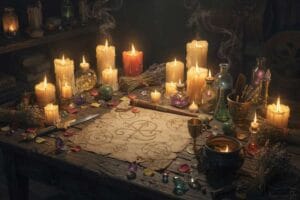
As you build your fire, set clear intentions. This isn’t just a campfire—it’s a sacred tool for transformation, purification, and blessing. Consider adding aromatic woods like oak or ash (both sacred in Celtic tradition), or herbs associated with Beltane such as hawthorn, rowan, or juniper. If you’re working with candles instead, choose colors that reflect Beltane energy: red for passion, green for fertility, yellow or gold for the sun, or white for purity and new beginnings.
Step 2: Cleanse and Protect Your Space
Before beginning ritual work, cleanse your space and yourself. You can do this by walking the perimeter of your area with smoke from rosemary, mugwort, or your preferred cleansing herb. Visualize any stagnant winter energy dissolving, making room for spring’s vibrant vitality. If smoke isn’t an option, sprinkle blessed water mixed with salt around your space, or use sound cleansing with a bell or singing bowl.
Cast a circle if this aligns with your practice, calling in the elements and any deities or spirits you work with. Many practitioners specifically invite the energies of the God and Goddess during Beltane, asking them to bless the ritual with their presence. You might say something like: “I stand between earth and sky on this sacred night of Beltane. I call upon the fertile earth and the warm sun to witness and bless this working. May the fires of transformation burn bright.”
Step 3: Light the Beltane Flame with Intention
When you’re ready, light your fire with full awareness and reverence. As the flames catch and grow, speak your intentions aloud. This might be a simple statement like “I light this sacred flame to welcome abundance, passion, and protection,” or a longer invocation honoring the season and your specific goals. Watch the fire’s growth as a metaphor for your own intentions taking hold and spreading throughout your life.
Traditional practice involved everyone extinguishing their hearth fires and relighting them from the communal Beltane bonfire, symbolizing shared protection and blessing. You can adapt this by lighting a candle from your Beltane fire to take indoors, placing it on your altar or carrying it through each room of your home to spread the festival’s protective and fertile energy throughout your living space.
Step 4: Perform Fire-Jumping or Smoke Blessing
One of the most iconic Beltane traditions involves leaping over or through the fire’s flames (or more safely, its smoke). This act symbolizes releasing what no longer serves you and welcoming new energy, fertility, and luck. If you have a bonfire that’s low and safe enough, you might jump over it while holding your intention firmly in mind. More commonly, people pass through the smoke, allowing it to purify their energy field.
As you move through the smoke, visualize it carrying away fears, doubts, stagnation, or any obstacles blocking your path to abundance. On the other side, feel yourself renewed and blessed with Beltane’s gifts. You can also hold objects in the smoke—tools, crystals, or written intentions—to charge them with the fire’s transformative power. Livestock were traditionally led between two bonfires for protection; if you have pets, you might sprinkle a bit of ash near their sleeping area as a blessing.
Step 5: Create and Burn a Manifestation List
Beltane fire is perfect for manifestation magic because it’s a high-energy time when intentions can catch fire and grow rapidly. Write down your goals, dreams, and desires on natural paper using red or green ink. Be specific: What do you want to create, attract, or become by the time of Lammas (the next fire festival)? What creative projects are ready to flourish? What aspects of your life need passion reignited?
Read your list aloud to the fire, then ceremonially burn it, releasing your intentions to the universe through the sacred flames. As the smoke rises, it carries your desires to the spirit realm and the gods, setting powerful forces in motion. Trust that the universe heard you and will conspire to bring these manifestations into being, provided you continue taking aligned action in the physical world.
Step 6: Dance, Celebrate, and Feast
Beltane isn’t somber or overly serious—it’s a celebration of life, joy, and passion. After your formal ritual work, honor the festival through pleasure and revelry. Dance around your fire, play music, sing songs, or simply sit and gaze into the flames while meditating on their beauty. If you’re celebrating with others, this is the time for food, drink, storytelling, and laughter.
Traditional Beltane foods include dairy products (especially fresh milk, butter, and cheese), honey cakes, oats, and fresh spring greens. Mead, wine, or fruit juices make appropriate ritual beverages. Consider preparing a feast with intention, blessing each dish as an offering to the gods or simply as an act of gratitude for abundance. Remember that celebration itself is a form of magic—joy raises your vibration and aligns you with the high energy of the season.
Step 7: Make Offerings and Express Gratitude
Before closing your ritual, make offerings to the spirits of the land, any deities you’ve invoked, or simply to the universe in gratitude. Traditional offerings include milk, honey, butter, fresh flowers, bread, or ale poured onto the earth or into the fire. You might also leave a small portion of your feast outside for the fae, placing it near a tree, at a crossroads, or beside running water.
Speak words of thanks for the blessings already present in your life and those coming your way. Gratitude is powerful magic that opens you to receiving even more abundance. A simple “Thank you for your presence and blessings on this sacred night. May the light half of the year bring prosperity to all beings” is perfectly appropriate.
Step 8: Collect Ashes and Embers for Future Magic
Once your fire has burned down safely, collect some of the cooled ashes and any small pieces of charcoal for future magical use. Beltane ashes are considered powerfully protective and can be sprinkled around your property’s perimeter, mixed into garden soil for blessing, added to protection spell bags, or kept in a small jar on your altar as a connection to the festival’s energy throughout the year.
If you lit a candle from the Beltane fire to bring indoors, place it on your altar and relight it whenever you need to reconnect with this sabbat’s passionate, creative, abundant energy. Some practitioners keep this candle specifically for Beltane, relighting it each year to maintain an unbroken connection to the sacred flame.
Step 9: Close Your Ritual with Intention
When you’re ready to end your celebration, formally close your circle if you cast one, thank and release any spirits or deities you invited, and ground yourself. Place your palms on the earth or visualize excess energy draining down through your body like roots into the ground. Drink water, eat something grounding, or simply sit quietly until you feel fully present in ordinary consciousness.
Make sure your fire is completely extinguished before leaving the area. Pour water over the ashes, stir them, and check for any hidden embers. Fire safety is a crucial part of respecting the element you’ve worked with—carelessness dishonors the magic you’ve created.
Essential Tools and Supplies for Beltane Magic
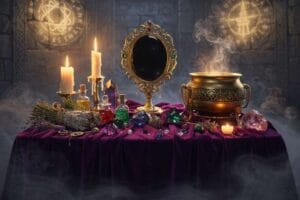
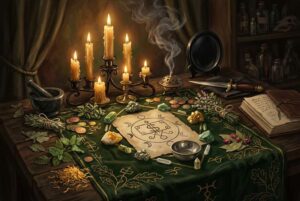
You don’t need elaborate equipment to celebrate Beltane, but certain tools can enhance your practice. At minimum, you’ll need a fire source—whether a bonfire, fire pit, charcoal disc in a cauldron, or even tea light candles arranged in a circle. Matches or a lighter obviously matter, though some practitioners prefer to generate flame through friction methods for added intention.
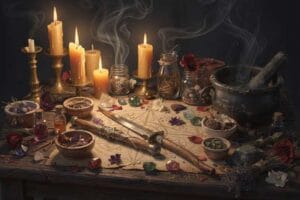
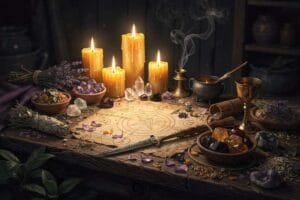
Herbs and flowers play a major role in Beltane celebrations. Gather fresh blooms like hawthorn, primrose, rowan, and wildflowers to decorate your altar or weave into crowns and wreaths. Dried herbs for burning include rosemary, mugwort, yarrow, and woodruff. Crystals associated with fertility and passion—such as carnelian, red jasper, rose quartz, or green aventurine—can be charged in the Beltane fire’s smoke or placed around your ritual space.
Other useful items include a cauldron or fireproof bowl for smaller indoor fires, offering bowls for milk and honey, natural paper and ink for written intentions, ribbons in spring colors (red, green, white, yellow) for decoration or Maypole work, and a journal for recording your experiences and any messages received during ritual. Your athame or wand can direct energy during circle casting, and a chalice for ritual beverages connects you to the festival’s celebratory nature.
Ethics and Best Practices
Fire magic demands respect and responsibility. Always practice fire safety: use appropriate containers, clear the area of flammable materials, have water or a fire extinguisher nearby, never leave flames unattended, and fully extinguish everything before departing. Wildfires devastate communities and ecosystems—honoring the element means using it wisely.
When working with Beltane’s fertility energy, remember that magic should never manipulate another person’s will. Love spells aimed at specific individuals violate consent and will likely backfire. Instead, focus on attracting the right partner to you, increasing your own magnetic energy, or blessing an existing consensual relationship. Fertility magic for conception should involve all parties’ awareness and agreement.
Respect nature when gathering herbs, flowers, or wood. Take only what you need, leave offerings in return, and never harvest from endangered or protected plants. If you’re on public land, check regulations about fires and plant collection. Honor the spirits of place by asking permission before performing magic in a new location, and always leave the area cleaner than you found it.
Cultural sensitivity matters too. While Beltane has Celtic origins, it’s now celebrated by practitioners worldwide. Approach traditions with respect rather than appropriation, understanding their context while adapting them authentically to your own path. You need not have Celtic ancestry to honor these seasonal energies—nature’s cycles belong to all of us.
Common Beginner Mistakes to Avoid
Skipping fire safety precautions: The most dangerous mistake is treating ritual fire carelessly. Never perform fire magic when impaired, in unsuitable locations, or without proper safety measures. A magical working that causes harm or destruction defeats its purpose entirely.
Forcing elaborate rituals you’re not ready for: You don’t need a massive bonfire, expensive tools, or complex ceremonies to honor Beltane meaningfully. A single candle lit with intention holds more power than an elaborate production done half-heartedly. Start simple and let your practice grow organically.
Forgetting to ground after high-energy workings: Beltane’s vibrant energy can leave you buzzing for hours. Without proper grounding, you might experience insomnia, anxiety, or feeling scattered. Always close your practice by releasing excess energy and returning to your body fully.
Ignoring the sabbat’s deeper meaning: It’s easy to focus only on the aesthetic—flowers, fires, pretty rituals—while missing Beltane’s core purpose. This festival asks you to examine what you’re cultivating in your life, where you need more passion or creativity, and how you can align with nature’s abundant energy. Make time for reflection alongside celebration.
Trying to celebrate exactly like historical pagans: Ancient practices emerged from specific cultural contexts we no longer live in. Modern Beltane can honor traditional symbolism while adapting to contemporary life. You’re not a medieval Celt, and that’s fine—your practice should feel authentic to who you are now.
Neglecting magical follow-through: Lighting intentions on fire feels powerful, but magic requires action in the physical world. After your Beltane ritual, take concrete steps toward your goals. The universe meets you halfway when you demonstrate commitment through consistent effort.
How to Build Your Beltane Practice Over Time
Your first Beltane celebration might be as simple as lighting a red candle and speaking your intentions for the season. That’s not only acceptable—it’s often the best way to begin. Each year, you can deepen your practice by adding new elements: perhaps next year you’ll gather friends for a small fire, the following year you’ll plant a ritual garden, and eventually you might organize community celebrations.
Keep a Beltane journal documenting what rituals you performed, what you manifested, how the season’s energy felt, and what you’d like to try next time. Review past entries each spring to notice patterns and growth. Many practitioners find that their relationship with this sabbat evolves significantly over the years as their own lives transform.
Consider exploring your ancestral connections to May celebrations—many cultures worldwide honor spring’s peak with fire, flowers, and fertility rites. Research might reveal traditions specific to your heritage that you can weave into your practice. The goal isn’t historical reenactment but rather finding meaningful ways to honor seasonal shifts while staying true to your personal path.
Final Thoughts
Beltane rituals and fire magic offer you a powerful gateway to spring’s most vibrant, fertile, and passionate energy. Whether you’re jumping a bonfire with friends, quietly lighting a candle on your altar, or dancing barefoot in your garden, you’re participating in an ancient celebration of life, abundance, and transformation that connects you to countless generations of practitioners who’ve welcomed the light half of the year with reverence and joy. Start where you are, honor what calls to you, and let Beltane’s sacred flames illuminate your path forward.
Frequently Asked Questions About Beltane
What is the difference between Beltane and May Day?
Beltane is the pagan fire festival celebrating fertility and the sun’s power, while May Day often refers to the same date’s secular folk traditions like Maypole dancing and flower crowns. Many modern celebrations blend both spiritual and cultural elements, and the terms are frequently used interchangeably.
Can I celebrate Beltane without a bonfire?
Absolutely. While fire is central to Beltane symbolism, you can honor the festival with candles, decorating with spring flowers, spending time in nature, creating a nature altar, or performing fertility and abundance magic. The spirit of celebration and intention matters more than the scale of your ritual.
Is Beltane only for couples or people wanting children?
Not at all. Beltane’s fertility energy applies to any creative endeavor—projects, businesses, art, gardens, personal growth, or attracting abundance. Solo practitioners and people uninterested in romantic or reproductive fertility can focus on bringing ideas to fruition and celebrating life’s creative force in all its forms.
When exactly should I celebrate Beltane?
Traditionally May 1st in the Northern Hemisphere (or the night of April 30th), though some practitioners celebrate on the astronomical cross-quarter day between spring equinox and summer solstice, which varies slightly each year. Choose the timing that feels most powerful to you—any celebration during late April through early May captures the energy.