Heart chakra pain is more than a metaphor — it’s a very real experience that manifests when your Anahata center is blocked, overactive, or struggling to process emotional wounds. You might feel physical tightness in your chest, emotional heaviness, or a profound sense of disconnection from yourself and others. This pain signals that your heart center, the bridge between your earthly and spiritual self, needs attention and healing.
Your heart chakra sits at the very core of your energetic system. When it’s balanced, you radiate love, compassion, and acceptance. When it’s hurting, everything in your life can feel off-kilter — relationships feel strained, trust feels impossible, and joy feels distant. Understanding what heart chakra pain truly means is your first step toward restoring harmony within yourself.
This guide will walk you through the spiritual and physical dimensions of heart chakra pain, help you recognize the signs of imbalance, and offer you practical, powerful healing practices to open your heart again.
What Is Heart Chakra Pain?
Heart chakra pain refers to the discomfort — emotional, energetic, or physical — that arises when your Anahata center is blocked or imbalanced. You may experience this as a literal sensation in your chest: tightness, pressure, burning, or aching. Or you might feel it emotionally: grief that won’t lift, loneliness that lingers, or an inability to forgive yourself or others.
This pain is your heart’s way of telling you that love is being withheld — either from yourself or from the world around you. When you cannot give or receive love freely, energy stagnates in the heart center, creating discomfort and disconnection.
Heart chakra pain often surfaces after experiences of loss, betrayal, rejection, or abandonment. It can also arise from unresolved emotional wounds from childhood, toxic relationships, or a pattern of self-criticism and low self-worth. The heart chakra is the seat of forgiveness, and when forgiveness is absent, pain takes root.
Sanskrit Name and Symbolism of Anahata
The fourth chakra is called Anahata, which means “unstruck” or “unhurt” in Sanskrit. This beautiful name reminds you that beneath all the pain, grief, and heartbreak, there exists a pure, untouched space within you — a place where love flows freely, untainted by past wounds.
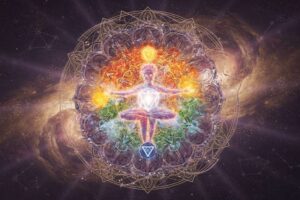
Anahata is symbolized by a lotus with twelve petals, often depicted in shades of green or pink. At the center of the lotus is a six-pointed star, formed by two intersecting triangles. This star represents the union of opposites: spirit and matter, masculine and feminine, giving and receiving. It reflects the heart chakra’s role as a bridge between your lower, earthly chakras and your upper, spiritual centers.
The twelve petals of the Anahata lotus correspond to different qualities of the heart, including compassion, forgiveness, clarity, purity, and harmony. When your heart chakra is open, these qualities radiate naturally from you.
Color, Element, and Location of the Heart Chakra
The heart chakra is associated with the color green, symbolizing growth, renewal, balance, and healing. Green is the color of nature, representing the heart’s capacity to regenerate and restore itself after pain. Some traditions also associate the heart chakra with pink, the color of unconditional love, tenderness, and compassion.
The element of the heart chakra is air. Air represents openness, freedom, breath, and the flow of life force energy (prana). Just as air moves effortlessly through space, a balanced heart chakra allows love and energy to flow freely through your body and into your relationships. When the heart chakra is blocked, it’s as if you’re holding your breath emotionally — unable to take in love or let it out.
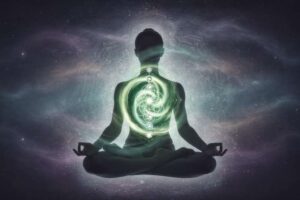
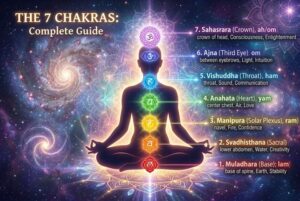
Physically, the heart chakra is located at the center of your chest, slightly to the left of your sternum, directly aligned with your physical heart. It extends both forward (through the front of your chest) and backward (through your upper spine between the shoulder blades). This chakra governs the heart, lungs, circulatory system, and thymus gland, which plays a key role in immune function.
What the Heart Chakra Governs
Your heart chakra governs your capacity to love — both yourself and others. It is the center of compassion, empathy, forgiveness, acceptance, and emotional healing. Anahata connects you to others in meaningful ways, allowing you to form deep, authentic relationships rooted in trust and vulnerability.
This chakra also governs your ability to grieve and let go. When you experience loss, the heart chakra processes that grief and, with time and healing, transforms it into acceptance and peace. If grief is not processed, it can become stuck in the heart center, creating chronic pain and emotional numbness.
Beyond romantic love, the heart chakra governs all forms of connection: friendship, family bonds, self-love, and even your relationship with the divine. It is the seat of compassion — not just for others, but for yourself. When your heart chakra is open, you treat yourself with kindness, forgive your mistakes, and allow yourself to be imperfect and human.
Anahata also governs your ability to set healthy boundaries. True compassion includes knowing when to say no, when to protect your energy, and when to walk away from relationships that no longer serve you. A balanced heart chakra allows you to love deeply without losing yourself in the process.
Signs Your Heart Chakra Is Blocked or Imbalanced
When your heart chakra is blocked, you may feel emotionally shut down, guarded, or disconnected from others. You might find it difficult to trust people, express your feelings, or let anyone get too close. Emotional numbness, cynicism, and a sense of isolation are common signs of a blocked Anahata.
You may struggle with forgiveness — either forgiving others or forgiving yourself. Resentment, bitterness, and holding grudges are all indicators that your heart chakra is holding onto old pain. You might replay past betrayals or heartbreaks on a loop, unable to move forward.
Fear of intimacy is another hallmark of a blocked heart chakra. You may long for connection but push people away when they get too close. You might sabotage relationships, withdraw emotionally, or build walls around your heart to protect yourself from being hurt again.
Physical symptoms of a blocked heart chakra include chest tightness, shallow breathing, respiratory issues like asthma or bronchitis, heart palpitations, high or low blood pressure, and tension in the shoulders and upper back. You may also experience immune system issues, as the heart chakra governs the thymus gland.
Other emotional signs include codependency, jealousy, excessive people-pleasing, difficulty setting boundaries, feelings of unworthiness, and a lack of self-love. You may feel like you have to earn love or prove your value to others. You might give endlessly to others while neglecting your own needs, leading to burnout and resentment.
Signs of an Overactive Heart Chakra
An overactive heart chakra can be just as challenging as a blocked one. When Anahata is overactive, you may give too much of yourself to others, losing sight of your own needs and boundaries. You might feel responsible for everyone’s happiness, taking on their emotions and problems as if they were your own.
People with overactive heart chakras often become martyrs or rescuers, sacrificing their own well-being to help others. You may struggle to say no, even when you’re exhausted or overwhelmed. You might stay in unhealthy relationships out of guilt, obligation, or a need to “save” the other person.
Codependency is common with an overactive heart chakra. You may seek validation, approval, and love from external sources rather than finding it within yourself. You might feel incomplete or unworthy unless you’re in a relationship or being needed by someone else.
Other signs include excessive empathy (absorbing others’ emotions to the point of exhaustion), jealousy, possessiveness, and difficulty being alone. You may also experience physical symptoms like heart palpitations, anxiety, or a sense of energetic overwhelm.
How to Balance the Heart Chakra
Balancing your heart chakra requires a combination of self-love, forgiveness practices, emotional release, and physical healing. Here are powerful practices to restore harmony to your Anahata center:
Yoga Poses for the Heart Chakra
- Camel Pose (Ustrasana): Opens the chest and heart center, releasing stored emotional tension.
- Bridge Pose (Setu Bandhasana): Lifts the heart and opens the chest, promoting emotional release and vulnerability.
- Cobra Pose (Bhujangasana): Expands the chest and encourages deep breathing, activating the heart chakra.
- Fish Pose (Matsyasana): Opens the throat and heart, releasing blockages and inviting love to flow.
- Child’s Pose (Balasana): Provides rest and self-compassion, grounding the heart chakra in safety and self-love.
Affirmations for Heart Chakra Healing
- I am worthy of love and compassion.
- I forgive myself and release the past.
- I give and receive love freely and effortlessly.
- My heart is open, safe, and healed.
- I choose love over fear.
- I set healthy boundaries with love and respect.
- I am connected to all beings through the energy of love.
Meditation and Visualization
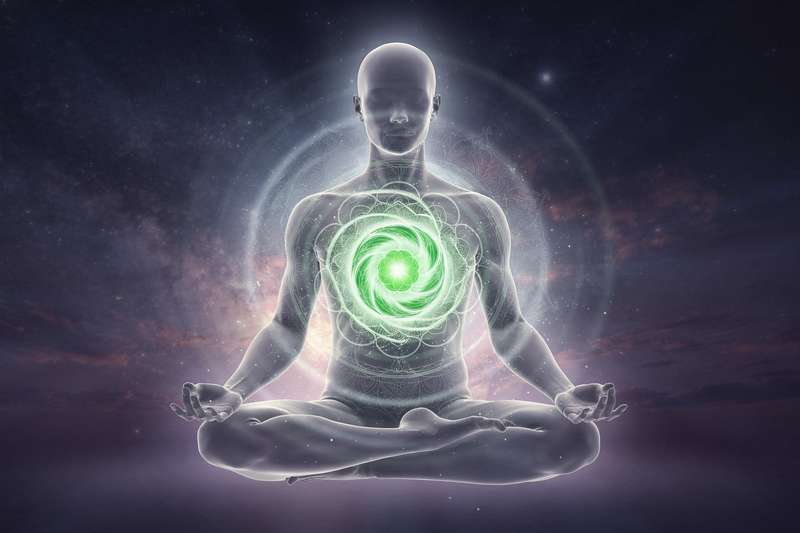
Sit in a comfortable position and place your hands over your heart. Close your eyes and breathe deeply, feeling your chest rise and fall. Visualize a soft, glowing green light at your heart center, growing brighter with each breath. Imagine this light dissolving any blockages, releasing old pain, and filling your heart with warmth and compassion. Repeat the affirmation: “I am love. I give love. I receive love.”
Breathwork (Pranayama)
Practice heart-centered breathing: inhale deeply through your nose, imagining breath flowing directly into your heart. Exhale slowly, releasing any tension or pain. You can also try alternate nostril breathing (Nadi Shodhana) to balance the energy flow through your heart chakra.
Essential Oils for the Heart Chakra
- Rose: The ultimate oil for love, healing, and emotional release.
- Jasmine: Opens the heart and invites joy and sensuality.
- Ylang Ylang: Balances emotions and promotes self-love.
- Geranium: Supports emotional healing and forgiveness.
- Bergamot: Uplifts the heart and releases grief.
Foods for Heart Chakra Healing
Nourish your heart chakra with green, heart-healthy foods: spinach, kale, broccoli, green apples, avocados, cucumbers, zucchini, matcha, green tea, and herbs like basil and cilantro. Heart-healthy fats like those found in nuts, seeds, and olive oil also support Anahata.
Healing Crystals for the Heart Chakra
Crystals carry vibrational energy that can help clear blockages and restore balance to your heart chakra. Here are the most powerful stones for heart healing:
- Rose Quartz: The stone of unconditional love, self-love, and emotional healing.
- Green Aventurine: Attracts love, abundance, and emotional calm.
- Rhodonite: Heals emotional wounds and supports forgiveness.
- Malachite: Releases old trauma and protects the heart from negative energy.
- Jade: Brings harmony, balance, and prosperity to the heart center.
- Emerald: Amplifies love, compassion, and spiritual connection.
To use these crystals, place them over your heart during meditation, carry them with you throughout the day, or sleep with them under your pillow.
Bija Mantra and Sound Healing
The bija (seed) mantra for the heart chakra is YAM. Chanting this sound opens and activates Anahata, clearing stagnant energy and inviting love to flow. Sit comfortably, close your eyes, and chant “YAM” aloud or silently, feeling the vibration resonate in your chest.
You can also use singing bowls, tuning forks tuned to the frequency of 639 Hz, or listen to music in the key of F, which resonates with the heart chakra. Sound healing works by shifting your vibrational frequency, dissolving blockages, and restoring harmony.
Final Thoughts
Heart chakra pain is a sacred invitation to heal. It asks you to open your heart again, even after it’s been broken. It asks you to forgive, to love yourself, and to trust that you are worthy of deep, authentic connection. Healing your heart chakra is not about numbing the pain or pretending it doesn’t exist — it’s about feeling it fully, releasing it with compassion, and choosing love over fear.
When your heart chakra is balanced, you become a beacon of love and healing for yourself and others. You forgive easily, love freely, and move through life with an open heart and a sense of peace. You trust yourself, trust others, and trust the universe to guide you. Your pain transforms into wisdom, and your wounds become the doorway to your greatest strength.
Healing takes time, patience, and courage. Be gentle with yourself. Practice the techniques in this guide daily, and allow your heart to soften, open, and bloom once again.
Frequently Asked Questions About Heart Chakra Pain
What does heart chakra pain feel like?
Heart chakra pain can feel like physical tightness, pressure, or aching in your chest. Emotionally, it may manifest as deep sadness, loneliness, grief, or an inability to connect with others. You might feel emotionally numb, closed off, or afraid to be vulnerable.
Can heart chakra pain cause physical heart problems?
While heart chakra imbalances are primarily energetic and emotional, chronic blockages can contribute to physical symptoms like chest pain, heart palpitations, high blood pressure, and respiratory issues. If you experience persistent physical symptoms, consult a healthcare professional while also addressing the energetic imbalance.
How long does it take to heal a blocked heart chakra?
Healing is a personal process and varies for everyone. Some people notice shifts within days or weeks of consistent practice, while deeper wounds may take months or years to fully heal. The key is patience, self-compassion, and daily commitment to heart-opening practices.
Can meditation alone heal heart chakra pain?
Meditation is a powerful tool for heart chakra healing, but it works best when combined with other practices like yoga, breathwork, affirmations, emotional release, and self-reflection. Healing is holistic and benefits from a multi-layered approach.