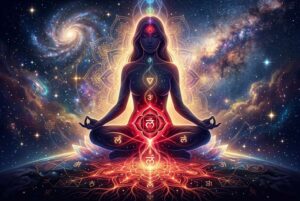
Your heart chakra is the bridge between the physical and spiritual realms, the sacred space where earthly experience and divine consciousness meet. Opening your heart chakra is one of the most transformative practices in energy work—because when your heart is open, life itself becomes richer, more connected, and filled with meaning.
Located at the center of your chest, the heart chakra isn’t just about romantic love. It’s about compassion for yourself and others, forgiveness, trust, and the courage to remain open even when life feels hard. When this energy center flows freely, you radiate warmth, attract genuine connection, and heal old wounds with grace.
If you’ve been feeling emotionally shut down, struggling to trust, or disconnected from the people you care about, your heart chakra may be calling for attention. This guide will walk you through everything you need to know—from the symbolism and anatomy of the heart chakra to practical ways to open, balance, and heal it.
What Is the Opening Heart Chakra?
The heart chakra, known in Sanskrit as Anahata (meaning “unstruck” or “unhurt”), is the fourth of seven primary energy centers in the body. It sits at the midpoint of the chakra system, connecting the three lower chakras—which govern survival, sexuality, and personal power—with the three upper chakras that focus on communication, intuition, and spiritual connection.
This placement is significant. The heart chakra is where matter meets spirit, where the ego softens and compassion begins. It’s the seat of unconditional love—not just for others, but for yourself.
When your heart chakra is open, you feel emotionally resilient, generous, and capable of deep connection. You can give love freely without losing yourself, and you can receive love without walls or conditions. You forgive easily, not because others deserve it, but because holding on no longer serves you.
An open heart chakra allows you to move through the world with tenderness and strength at the same time. You’re not naive—you’re awake. You understand that love is not weakness; it’s the most powerful force in the universe.
Sanskrit Name & Symbolism of Anahata
The word Anahata translates to “unstruck” or “unbeaten,” referring to the concept of a sound that is not created by striking two objects together. In yogic tradition, this is the sound of the soul—the pure, eternal vibration that exists beyond physical form.
The symbol of the heart chakra is a twelve-petaled lotus flower enclosing a six-pointed star, also called a hexagram or Shatkona. The two interlocking triangles represent the union of opposites: masculine and feminine, spirit and matter, giving and receiving. It’s a visual reminder that balance is at the core of this chakra.
Each of the twelve petals corresponds to a specific mental or emotional state, including qualities like hope, compassion, discrimination, and defiance. These petals also represent energy pathways—nadis—that radiate from the heart center, carrying prana (life force) throughout your body.
At the center of the symbol sits the deity Ishana Rudra Shiva, often depicted in meditation, alongside the goddess Kakini Devi, who is considered the guardian of the heart space. Below them is a deer or antelope, symbolizing gentleness, grace, and the untamed spirit of the heart.
Color, Element & Location of the Heart Chakra
The heart chakra is most commonly associated with the color green, which represents growth, renewal, healing, and harmony with nature. Green is the color of spring, of new beginnings, of life returning after a long winter. It reflects the heart’s capacity to heal, transform, and open again—no matter how many times it’s been hurt.
Some traditions also associate the heart chakra with pink, the color of tender love, softness, and self-compassion. Pink energy is especially potent when you’re working on self-love or healing from emotional wounds.
The element of the heart chakra is air. Air is expansive, invisible, and essential to life. It moves freely, without force. Just as breath connects you to the present moment, the heart chakra connects you to others and to the divine. The breath is also the bridge between the conscious and unconscious mind, making it a powerful tool for heart chakra healing.
Physically, the heart chakra is located at the center of your chest, at the level of your physical heart. It governs the heart, lungs, circulatory system, thymus gland, shoulders, arms, and hands. When this chakra is balanced, your breath is full and easy, your posture is open, and your hands naturally reach out to connect.
What the Heart Chakra Governs
Your heart chakra governs your capacity to love and be loved. It’s the energy center that allows you to form healthy relationships, give and receive affection, practice empathy, and forgive both yourself and others.
But it goes deeper than that. The heart chakra also governs your relationship with yourself. It’s where self-acceptance lives, where you learn to treat yourself with kindness instead of judgment. When your heart is open, you stop abandoning yourself to please others. You set boundaries without guilt. You honor your needs without shame.
The heart chakra is also the seat of emotional intelligence. It helps you navigate complex feelings with grace, hold space for others without taking on their pain, and respond to conflict with compassion instead of reactivity.
On a spiritual level, the heart chakra is where you experience oneness. It’s the part of you that recognizes the divine in all beings, that feels connected to nature, animals, strangers, and the earth itself. When this chakra is fully awakened, separation dissolves. You see yourself in others, and others in yourself.
Signs Your Heart Chakra Is Blocked or Imbalanced
A blocked heart chakra creates emotional distance. You may feel disconnected from the people you love, or struggle to trust anyone at all. Here are some common signs that your heart energy is stuck:
- Difficulty forming or maintaining close relationships
- Feeling emotionally numb, detached, or unable to cry
- Holding grudges or struggling to forgive
- Chronic loneliness, even when surrounded by people
- Fear of intimacy or vulnerability
- Jealousy, possessiveness, or codependency
- Harsh self-criticism or lack of self-compassion
- Feelings of unworthiness or being unlovable
- Difficulty giving or receiving compliments, affection, or help
Physically, a blocked heart chakra may show up as shallow breathing, upper back pain, tension in the shoulders, circulation issues, or immune system weakness. The thymus gland, which is linked to the heart chakra, plays a key role in immunity—so chronic illness can sometimes point to heart energy that needs attention.
Signs of an Overactive Heart Chakra
While a blocked heart chakra closes you off, an overactive heart chakra can leave you emotionally overwhelmed and drained. You may give too much, love without boundaries, or lose yourself in others. Here’s what an overactive heart chakra looks like:
- Codependency or people-pleasing tendencies
- Difficulty saying no, even when you’re exhausted
- Taking on others’ emotions as if they were your own
- Feeling responsible for everyone’s happiness
- Neglecting your own needs to care for others
- Emotional burnout or compassion fatigue
- Seeking validation or love from external sources
- Fear of being alone or abandoned
An overactive heart chakra often develops as a coping mechanism. If you didn’t receive enough love as a child, you may overcompensate by trying to earn it as an adult. Balancing this chakra means learning that your worth is not tied to how much you give.
How to Balance and Open Your Heart Chakra
Balancing the heart chakra is a practice of coming home to yourself. It’s about softening the armor around your heart without losing your strength. Here are some of the most effective ways to open and heal your heart energy:
Heart Chakra Meditation
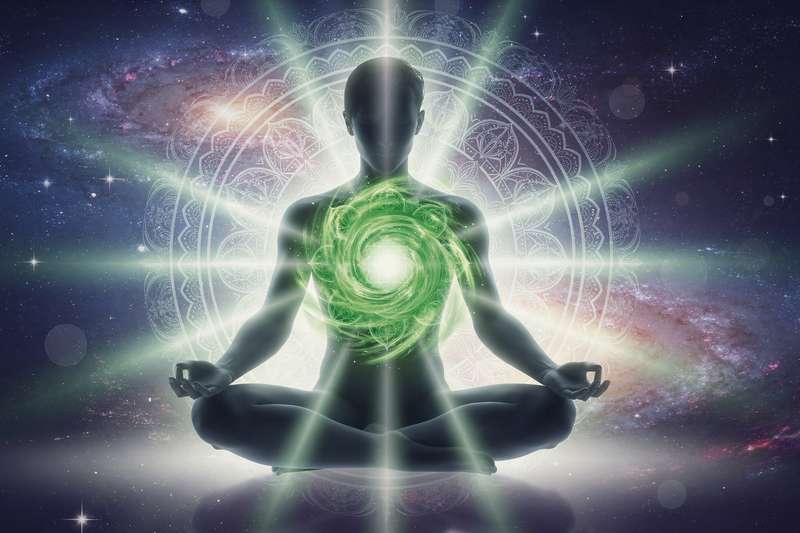
Find a quiet space where you won’t be disturbed. Sit comfortably with your spine straight and your shoulders relaxed. Close your eyes and place one hand over your heart. Begin to breathe deeply, imagining a glowing green or pink light expanding from the center of your chest with each inhale. As you exhale, release tension, fear, and any emotional armor you’ve been carrying. Stay with this visualization for 10–15 minutes, allowing your heart to soften and open.
Heart-Opening Yoga Poses
Yoga is one of the most direct ways to release stuck energy in the chest. Try these poses to open your heart chakra:
- Cobra Pose (Bhujangasana) – Gently lifts and expands the chest
- Camel Pose (Ustrasana) – Deep backbend that opens the heart fully
- Bridge Pose (Setu Bandhasana) – Gentle heart opener, great for beginners
- Upward-Facing Dog (Urdhva Mukha Svanasana) – Strengthens the back and expands the chest
- Warrior I with a backbend – Combines strength and openness
Positive Affirmations for the Heart Chakra
Affirmations reprogram your subconscious mind. Repeat these daily, especially in the morning or before bed:
- I am worthy of love and compassion.
- I give and receive love with ease.
- My heart is open, strong, and resilient.
- I forgive myself and others with grace.
- I am safe to love and be loved.
- I trust the wisdom of my heart.
Essential Oils for Heart Healing
Aromatherapy can support emotional release and heart opening. Try these oils in a diffuser, bath, or diluted on your chest:
- Rose – Unconditional love, self-compassion
- Lavender – Emotional calm, releasing grief
- Bergamot – Joy, releasing sadness
- Ylang ylang – Sensuality, emotional warmth
- Eucalyptus – Clearing stagnant energy, breath work
Foods That Support the Heart Chakra
Nourish your heart from the inside out with green, heart-healthy foods:
- Leafy greens (spinach, kale, chard)
- Green vegetables (broccoli, zucchini, cucumber)
- Green tea or matcha
- Avocados
- Green apples
- Fresh herbs (basil, cilantro, parsley)
Healing Crystals for the Heart Chakra
Crystals carry specific vibrations that can help clear, activate, and balance your heart energy. Here are the most powerful heart chakra stones:
- Rose quartz – The quintessential heart stone; promotes self-love, emotional healing, and forgiveness
- Green aventurine – Attracts abundance, luck, and emotional calm
- Malachite – Deep transformation, releasing old trauma
- Jade – Prosperity, harmony, and emotional balance
- Rhodonite – Heals emotional wounds, encourages forgiveness
- Emerald – Divine love, spiritual connection
To use these crystals, place them over your heart during meditation, wear them as jewelry, or keep them in your pocket throughout the day.
Bija Mantra & Sound Healing for the Heart
The bija (seed) mantra for the heart chakra is YAM (pronounced “yahm”). Chanting this sound activates and clears the heart energy. Sit quietly, take a deep breath, and chant “YAM” out loud or silently, feeling the vibration resonate in your chest.
You can also use sound healing frequencies to balance your heart chakra. The heart resonates with 528 Hz, often called the “love frequency.” This tone is said to repair DNA, restore harmony, and open the heart to unconditional love. You can find 528 Hz music or binaural beats on streaming platforms—listen while meditating, journaling, or resting.
Tibetan singing bowls tuned to the key of F or F# are also used for heart chakra healing. The resonance of the bowl creates ripples of sound that move through your body, clearing blockages and restoring flow.
Final Thoughts: Opening Your Heart Is an Act of Courage
Opening your heart chakra is not about becoming soft or naive. It’s about becoming whole. It’s about choosing connection over isolation, forgiveness over resentment, and love over fear—even when it’s hard.
Your heart has been through a lot. It’s been broken, closed off, and protected. And that protection served you. But now, it’s time to soften. To trust again. To let love in—and to let it out.
The practices in this guide are tools, but the real work happens inside you. It happens when you choose to sit with your grief instead of numbing it. When you forgive yourself for past mistakes. When you reach out to someone you love, even when you’re scared of rejection.
Your heart knows the path forward. It always has. All you have to do is listen, breathe, and allow it to open—one moment at a time.
Frequently Asked Questions About the Heart Chakra
How do I know if my heart chakra is blocked?
If you struggle with trust, feel emotionally numb, hold grudges, or have difficulty forming close relationships, your heart chakra may be blocked. Physical symptoms can include shallow breathing, upper back tension, or immune system issues.
Can you open your heart chakra too much?
Yes. An overactive heart chakra can lead to codependency, people-pleasing, and emotional burnout. Balance is key—you want to be open and compassionate without losing yourself in others.
What happens when you open your heart chakra?
You may feel more emotionally connected, compassionate, and at peace. You’ll find it easier to forgive, trust, and form meaningful relationships. Some people also experience physical sensations like warmth, tingling, or a fluttering feeling in the chest.
How long does it take to heal the heart chakra?
Healing is not linear. Some people feel shifts within days of starting a practice, while others take months or years. Be patient with yourself. Your heart will open when it feels safe to do so.