Chakra meditation offers you a powerful pathway to inner peace, vibrant energy, and holistic healing. If you’ve ever felt emotionally scattered, physically drained, or spiritually disconnected, your chakras—the spinning energy wheels within your body—may be calling for attention. Chakra meditation for beginners is a gentle, accessible practice that helps you tune into these sacred energy centers, clear blockages, and restore balance from root to crown.
The beauty of this practice is its simplicity. You don’t need years of experience or elaborate rituals. All you need is curiosity, a quiet moment, and a willingness to turn inward. Whether you’re seeking emotional healing, physical vitality, or a deeper spiritual connection, chakra meditation is a tool you can return to again and again.
What Is Chakra Meditation?
Chakra meditation is an ancient practice rooted in Eastern spiritual traditions, particularly Hinduism, Buddhism, and yoga. The word chakra comes from Sanskrit, meaning “wheel” or “disc,” reflecting the belief that these energy centers spin and radiate vital life force—called prana or chi—throughout your body.
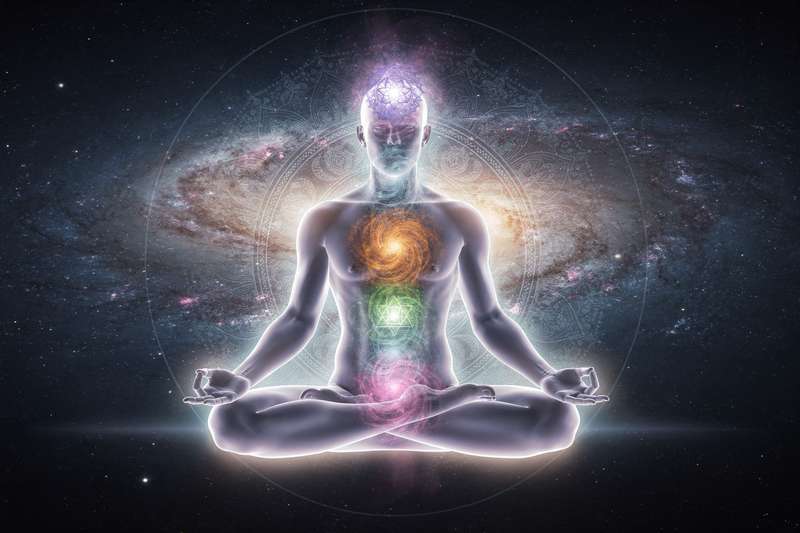
Your body contains seven primary chakras, each located along the spine from the base to the crown of your head. Each chakra corresponds to specific physical, emotional, and spiritual functions. When your chakras are open and balanced, energy flows freely, and you experience health, clarity, and a sense of wholeness. When they’re blocked or imbalanced, you may feel stuck, anxious, fatigued, or emotionally numb.
Chakra meditation helps you consciously activate, clear, and harmonize these energy centers. Through visualization, breathwork, sound, and intention, you guide healing energy to each chakra, releasing stagnation and restoring flow. This practice is especially powerful for beginners because it provides a clear roadmap for inner exploration—one chakra at a time.
Understanding the Seven Chakras
Before you begin your meditation practice, it helps to understand the seven main chakras and what each one represents. Think of them as a vertical ladder of consciousness, starting with survival and security at the base and ascending to spiritual enlightenment at the crown.
Root Chakra (Muladhara)
Location: Base of the spine
Color: Red
Element: Earth
Governs: Survival, security, grounding, trust
Your root chakra is your foundation. When balanced, you feel safe, stable, and connected to the physical world. When blocked, fear and insecurity take over.
Sacral Chakra (Svadhisthana)
Location: Lower abdomen, below the navel
Color: Orange
Element: Water
Governs: Creativity, pleasure, emotions, sexuality
This chakra is the seat of your creative and sensual energy. A balanced sacral chakra brings joy, passion, and emotional fluidity. When blocked, you may feel creatively stifled or emotionally repressed.
Solar Plexus Chakra (Manipura)
Location: Upper abdomen, above the navel
Color: Yellow
Element: Fire
Governs: Personal power, confidence, willpower
Your solar plexus is your inner fire. When open, you feel empowered, confident, and capable. When blocked, self-doubt and a lack of direction cloud your mind.
Heart Chakra (Anahata)
Location: Center of the chest
Color: Green or pink
Element: Air
Governs: Love, compassion, forgiveness, connection
The heart chakra bridges your lower and upper chakras, connecting your earthly self with your spiritual essence. When balanced, you give and receive love freely. When blocked, you may feel isolated or struggle with grief.
Throat Chakra (Vishuddha)
Location: Throat
Color: Blue
Element: Sound/Ether
Governs: Communication, truth, self-expression
Your throat chakra is your voice—literally and metaphorically. When open, you speak your truth with clarity and confidence. When blocked, you may suppress your thoughts or struggle to communicate.
Third Eye Chakra (Ajna)
Location: Between the eyebrows
Color: Indigo
Element: Light
Governs: Intuition, insight, imagination, inner wisdom
The third eye is your center of intuition and higher perception. When balanced, you trust your inner guidance and see beyond the physical. When blocked, you may feel confused or disconnected from your intuition.
Crown Chakra (Sahasrara)
Location: Top of the head
Color: Violet or white
Element: Consciousness/Thought
Governs: Spiritual connection, enlightenment, unity
The crown chakra is your gateway to the divine. When open, you experience spiritual clarity, purpose, and oneness with all life. When blocked, you may feel spiritually disconnected or struggle to find meaning.
How to Prepare for Chakra Meditation
Setting the right foundation makes your practice more effective and enjoyable. Here’s how to prepare:
Create a Sacred Space
Find a quiet corner where you won’t be interrupted. Dim the lights, light a candle or incense, and arrange cushions or a meditation chair. This space becomes your personal sanctuary—a signal to your mind and body that it’s time to turn inward.
Set Your Intention
Before you begin, decide what you want from your practice. Are you seeking emotional release? Physical healing? Spiritual insight? Your intention acts as a compass, guiding your energy and focus.
Choose a Comfortable Posture
Sit cross-legged on the floor, on a cushion, or in a chair with your feet flat on the ground. Keep your spine straight but relaxed. Rest your hands on your knees, palms up to receive energy, or bring them together at your heart center.
Ground Yourself with Breath
Take three deep, cleansing breaths. Inhale through your nose for a count of four, hold for two, and exhale through your mouth for six. This simple breathwork calms your nervous system and centers your awareness.
A Step-by-Step Chakra Meditation for Beginners
This practice guides you through each of the seven chakras in sequence. Plan to spend 10–15 minutes total, allowing about 1–2 minutes per chakra.
Step 1: Ground and Center
Close your eyes. Take three deep breaths, releasing tension with each exhale. Feel your body rooting into the earth beneath you. Silently state your intention: “I am open to healing and balancing my energy centers.”
Step 2: Root Chakra (Red)
Bring your awareness to the base of your spine. Visualize a spinning wheel of red light. With each inhale, imagine red energy rising from the earth into this chakra. With each exhale, feel yourself becoming more grounded and secure. Silently affirm: “I am safe. I am supported.”
Optional: Chant the bija mantra LAM (pronounced “lum”) to activate this center.
Step 3: Sacral Chakra (Orange)
Shift your focus to your lower abdomen, just below your navel. Visualize a glowing orange wheel. Breathe in orange light, feeling creativity and joy awaken. Exhale any emotional stagnation. Affirm: “I embrace pleasure. I flow with life.”
Chant: VAM (pronounced “vum”).
Step 4: Solar Plexus Chakra (Yellow)
Move your attention to your upper abdomen. See a bright yellow sun spinning there. Inhale confidence and personal power. Exhale self-doubt and fear. Affirm: “I am powerful. I trust myself.”
Chant: RAM (pronounced “rum”).
Step 5: Heart Chakra (Green)
Focus on the center of your chest. Visualize a soft green light expanding with each breath. Feel love and compassion radiating from your heart. Affirm: “I give and receive love freely. I forgive.”
Chant: YAM (pronounced “yum”).
Step 6: Throat Chakra (Blue)
Bring your awareness to your throat. See a brilliant blue light glowing there. Breathe in clarity and truth. Exhale any fear of speaking. Affirm: “I speak my truth with confidence.”
Chant: HAM (pronounced “hum”).
Step 7: Third Eye Chakra (Indigo)
Focus on the space between your eyebrows. Visualize a deep indigo light. Inhale insight and intuition. Exhale confusion and doubt. Affirm: “I trust my inner wisdom. I see clearly.”
Chant: OM (pronounced “aum”).
Step 8: Crown Chakra (Violet or White)
Bring your attention to the top of your head. Imagine a radiant violet or white light pouring down from above, filling your entire body. Breathe deeply. Feel your connection to the universe. Affirm: “I am one with all that is.”
No chant is needed here—simply rest in silence or softly repeat OM.
Step 9: Integration
Visualize a column of white or golden light flowing through all seven chakras at once, from root to crown. Feel the energy settling into every cell of your body. Take three final deep breaths. When you’re ready, gently open your eyes.
Signs Your Chakras Are Blocked or Imbalanced
As you practice, you may notice certain chakras feel more open or blocked than others. Here are common signs of imbalance:
- Root: Anxiety, fear, financial insecurity, disconnection from your body
- Sacral: Creative blocks, emotional numbness, low libido, relationship difficulties
- Solar Plexus: Low self-esteem, indecision, digestive issues, lack of motivation
- Heart: Difficulty giving or receiving love, grief, jealousy, isolation
- Throat: Fear of speaking up, chronic sore throat, dishonesty, suppressed emotions
- Third Eye: Lack of clarity, headaches, poor intuition, overactive imagination
- Crown: Spiritual disconnection, lack of purpose, chronic migraines, confusion
If you identify with any of these, spend extra time focusing on that chakra during meditation. You can also incorporate additional healing practices like yoga, crystals, or affirmations.
How to Deepen Your Chakra Meditation Practice
Use Healing Crystals
Place crystals on the corresponding chakra points during meditation. For example, use red jasper on your root, carnelian on your sacral, citrine on your solar plexus, rose quartz on your heart, blue lace agate on your throat, amethyst on your third eye, and clear quartz on your crown.
Incorporate Essential Oils
Diffuse or apply chakra-specific oils like sandalwood for the root, ylang-ylang for the sacral, lemon for the solar plexus, rose for the heart, eucalyptus for the throat, frankincense for the third eye, and lavender for the crown.
Practice Chakra-Balancing Yoga
Certain yoga poses naturally activate and balance each chakra. For example, Mountain Pose grounds the root, Hip Openers awaken the sacral, Boat Pose fires up the solar plexus, and Savasana integrates the crown.
Journal After Meditation
Writing down your experiences helps track your progress and deepens self-awareness. Note any emotions, sensations, or insights that arose during your practice.
Common Questions About Chakra Meditation
What if I can’t visualize the colors?
That’s completely normal. Instead of “seeing” colors, simply know they’re there or focus on the sensation of energy in that area. Trust your intuition—visualization is a skill that develops with practice.
How often should I practice?
Daily practice is ideal, even if it’s just 10 minutes. Consistency matters more than duration. You’ll begin to notice shifts within 2–4 weeks of regular practice.
Can I focus on just one chakra?
Absolutely. As you become more experienced, you may choose to dedicate an entire session to one chakra that needs extra attention. However, regularly balancing all seven ensures overall harmony.
What if emotions come up during meditation?
This is a sign your practice is working. Chakra meditation often releases stored emotions. Allow whatever arises to flow through you without judgment. Breathe deeply and return your focus to the chakra you’re working with.
Final Thoughts
Chakra meditation for beginners is a sacred invitation to know yourself more deeply—to heal old wounds, awaken dormant potential, and reconnect with your true essence. This practice doesn’t require perfection or years of training. It simply asks for your presence, your breath, and your willingness to listen to the wisdom of your body.
Start today. Find a quiet space, close your eyes, and bring your awareness to the base of your spine. From that first moment of connection, you begin a journey that can transform not only how you feel, but how you move through the world—grounded, open, empowered, and whole.
Frequently Asked Questions
How long should I meditate on each chakra as a beginner?
Start with 1–2 minutes per chakra, for a total of 10–15 minutes. As you become more comfortable, you can extend each session to 20–30 minutes.
Do I need crystals or special tools to practice chakra meditation?
No. While crystals, incense, and essential oils can enhance your practice, they’re not necessary. All you truly need is a quiet space, your breath, and your intention.
What should I do if I feel overwhelmed or uncomfortable during meditation?
Gently bring your focus back to your breath. If needed, take a break and return when you feel ready. It’s important to honor your body and mind—there’s no rush.
Can chakra meditation help with physical health issues?
Many people report physical improvements as their chakras come into balance, such as reduced tension, better digestion, and improved sleep. However, chakra meditation should complement—not replace—professional medical care.