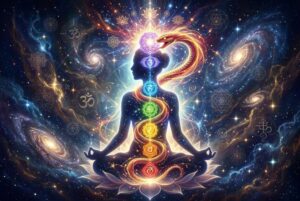
Heart Chakra Crystals carry the gentle, transformative energy of Anahata—your body’s center for unconditional love, compassion, and connection. Located at the center of your chest, this fourth energy center acts as a bridge between your physical body and your spiritual self. When your Heart Chakra is open and balanced, you experience fulfilling relationships, deep empathy, and a natural capacity for forgiveness. You love yourself and others freely, without fear or condition.
But when Anahata becomes blocked or out of alignment, you may feel isolated, guarded, or unable to trust. You might struggle to forgive past wounds, or find yourself giving too much while neglecting your own needs. This is where Heart Chakra Crystals become powerful allies. Stones like rose quartz, green aventurine, and malachite resonate with the frequencies of love and healing, helping you remove energetic blockages and restore harmony to your emotional center.
In this guide, you’ll discover what the Heart Chakra governs, how to recognize when it’s out of balance, and how to use crystals, affirmations, breathwork, and energy practices to open your heart to love once more.
What Is the Heart Chakra?
The Heart Chakra is the fourth of seven major chakras in the body’s subtle energy system. It sits at the center of your chest, near your physical heart, and governs your ability to give and receive love. Unlike the lower three chakras—which are rooted in survival, creativity, and willpower—Anahata begins the journey into higher consciousness. It connects your earthly desires with your spiritual aspirations.
This chakra is your emotional command center. It determines how you relate to others, how you experience joy, and how you process grief. When your Heart Chakra is open, you feel connected—to yourself, to others, and to the world around you. You forgive easily, trust deeply, and love without fear of rejection.
The Heart Chakra is also your center for self-acceptance. Before you can truly love another, you must learn to love yourself. Anahata teaches you that you are worthy of love exactly as you are—flaws, scars, and all.
Sanskrit Name & Symbolism of Anahata
The Sanskrit name Anahata means “unstruck” or “unhurt.” This refers to a sound that is pure, untouched by physical vibration—the eternal hum of the universe, the divine sound of creation. It reminds you that at your core, your heart remains whole, even when life has wounded you.
The symbol of the Heart Chakra is a twelve-petaled lotus surrounding two intersecting triangles, forming a six-pointed star (also known as the Star of David or Shatkona). The upward triangle represents Shiva, the divine masculine, while the downward triangle represents Shakti, the divine feminine. Their union symbolizes balance, harmony, and the meeting of heaven and earth.
The twelve petals correspond to twelve divine qualities: bliss, peace, harmony, love, understanding, empathy, clarity, purity, unity, compassion, kindness, and forgiveness. When your Heart Chakra is open, these qualities radiate from you naturally.
Color, Element & Location of the Heart Chakra
The Heart Chakra is associated with two colors: green and pink. Green represents healing, growth, and renewal—the vitality of nature and the life force that flows through all living things. Pink represents tenderness, unconditional love, and emotional warmth. Together, these colors reflect the dual nature of Anahata: strength and softness, courage and compassion.
The element of the Heart Chakra is Air. Air is movement, breath, and freedom. It cannot be contained or controlled; it flows where it will. This element reminds you that love, too, must be free. When you try to grasp or control love, it slips away. But when you allow it to flow naturally, it fills every corner of your life.
Physically, the Heart Chakra is located at the center of the chest, aligned with your heart and lungs. It governs the cardiovascular system, the thymus gland (which supports your immune system), and your capacity to breathe deeply and fully. When Anahata is balanced, you breathe easily, your circulation is strong, and your body feels open and relaxed.
What the Heart Chakra Governs
The Heart Chakra governs your emotional life and your relationships—with yourself, with others, and with the world. It is the seat of love, compassion, empathy, forgiveness, trust, acceptance, and gratitude. When your Heart Chakra is open, you:
- Give and receive love freely, without fear or condition
- Trust others and allow yourself to be vulnerable
- Forgive past hurts and release resentment
- Feel empathy and compassion for yourself and others
- Accept yourself exactly as you are
- Experience deep gratitude for the beauty in your life
- Form healthy, balanced relationships
- Feel connected to something greater than yourself
On a physical level, the Heart Chakra governs your cardiovascular system, lungs, chest, shoulders, arms, and hands. Imbalances in Anahata can manifest as heart palpitations, high blood pressure, asthma, allergies, or chronic tension in the upper body.
Emotionally, the Heart Chakra determines how you process grief, loss, and heartbreak. When you allow yourself to feel these emotions fully—without shutting down or numbing out—you move through them and emerge stronger. But when you repress your pain, it becomes lodged in your heart, creating blockages that prevent you from experiencing love and joy.
Signs Your Heart Chakra Is Blocked or Imbalanced
When your Heart Chakra is blocked, you may feel disconnected, isolated, or unable to trust. You might struggle to form close relationships, or find yourself pushing people away when they get too close. You may hold onto past wounds, unable to forgive those who hurt you—or yourself. Here are the most common signs of a blocked Heart Chakra:
- Difficulty trusting others or forming intimate connections
- Fear of rejection, abandonment, or vulnerability
- Holding grudges or inability to forgive
- Feeling emotionally numb or shut down
- Loneliness, even when surrounded by people
- Codependency or excessive people-pleasing
- Difficulty receiving love, compliments, or support
- Chronic upper back, shoulder, or chest pain
- Frequent colds, respiratory issues, or immune system weakness
- Heart palpitations or circulatory problems
A blocked Heart Chakra often develops in response to emotional trauma—betrayal, loss, rejection, or childhood wounds. You may have learned early in life that it’s not safe to be vulnerable, so you built walls around your heart to protect yourself. But these walls, while protective, also keep love out.
Signs of an Overactive Heart Chakra
An overactive Heart Chakra is less common, but equally challenging. When Anahata spins too fast, you may become overly empathic, absorbing everyone else’s emotions until you lose touch with your own needs. You give and give, often to your own detriment, and struggle to set healthy boundaries. Signs of an overactive Heart Chakra include:
- Codependency or losing yourself in relationships
- Excessive people-pleasing or inability to say no
- Feeling responsible for others’ emotions or happiness
- Jealousy, possessiveness, or clinging to relationships
- Loving conditionally—expecting something in return
- Overwhelm from absorbing others’ pain or stress
- Difficulty being alone or fear of solitude
- Giving until you’re depleted, then feeling resentful
If your Heart Chakra is overactive, you need to strengthen your boundaries and reconnect with your own needs. It’s not selfish to take care of yourself—it’s necessary. You cannot pour from an empty cup.
How to Balance the Heart Chakra
Balancing your Heart Chakra requires both inner work and outer practice. You must be willing to feel your emotions, face your wounds, and open yourself to love once more. Here are the most powerful ways to restore harmony to Anahata:
Heart-Opening Yoga Poses
Certain yoga postures stretch the chest, open the shoulders, and release tension stored in the heart space. Practice these poses regularly to physically and energetically open your Heart Chakra:
- Camel Pose (Ustrasana): A deep backbend that opens the entire front body
- Cobra Pose (Bhujangasana): A gentle chest opener that strengthens the spine
- Fish Pose (Matsyasana): Opens the throat and heart simultaneously
- Bridge Pose (Setu Bandhasana): A supported backbend that releases shoulder tension
- Cow Face Pose (Gomukhasana): Opens the shoulders and upper back
Affirmations for the Heart Chakra
Speak these affirmations aloud or silently during meditation to reprogram limiting beliefs and open your heart:
- I am worthy of love exactly as I am.
- I forgive myself and others with ease and grace.
- I give and receive love freely.
- My heart is open, strong, and courageous.
- I trust in the goodness of others.
- I release the past and embrace the present moment.
- Love flows through me and surrounds me.
- I am connected to all beings through the power of love.
Meditation and Breathwork
Sit comfortably with your spine straight. Place your hands over your heart. Breathe slowly and deeply, feeling your chest rise and fall. As you inhale, imagine green or pink light filling your heart space. As you exhale, release any pain, tension, or old wounds. Repeat for 10–15 minutes.
For a more advanced practice, try heart-centered breathwork: Inhale for four counts, hold for four counts, exhale for six counts. This longer exhale activates the parasympathetic nervous system, calming your body and opening your heart.
Essential Oils for Anahata
Essential oils can support Heart Chakra healing when diffused, applied topically (diluted in carrier oil), or added to a bath. Try:
- Rose: The ultimate heart healer, promoting self-love and compassion
- Jasmine: Opens the heart to joy and sensuality
- Bergamot: Uplifting and heart-opening
- Ylang Ylang: Encourages emotional release and trust
- Lavender: Calms anxiety and soothes the heart
Foods for the Heart Chakra
Green and pink foods nourish Anahata. Include these in your diet:
- Leafy greens (spinach, kale, chard)
- Broccoli, green beans, zucchini
- Green apples, kiwi, limes
- Matcha, green tea
- Pink grapefruit, watermelon, strawberries
- Heart-healthy fats (avocado, olive oil, nuts)
Spend Time in Nature
The Heart Chakra resonates with the element of Air and the color green—both found abundantly in nature. Walk barefoot on grass, sit under a tree, or hike in the forest. Breathe deeply and allow the natural world to remind you of your own innate wholeness.
Practice Forgiveness
Forgiveness is the most powerful Heart Chakra medicine. This doesn’t mean condoning harmful behavior—it means releasing the grip that resentment has on your heart. Write a letter (you don’t have to send it) to someone who hurt you, expressing your feelings fully. Then, release it. Say aloud: “I forgive you, I forgive myself, and I set us both free.”
Healing Crystals for the Heart Chakra
Heart Chakra Crystals are perhaps the most effective tools for healing Anahata. Each stone carries a unique vibration that helps remove blockages, restore balance, and open your heart to love. Here are the thirteen most powerful crystals for the Heart Chakra:
1. Rose Quartz
The ultimate stone of unconditional love. Rose quartz opens your heart to self-love, romantic love, and compassion. It gently heals emotional wounds and reminds you that you are worthy of love exactly as you are. Place rose quartz by your bedside or wear it as jewelry to keep its soft, nurturing energy close.
2. Green Aventurine
Known as the Stone of Opportunity, green aventurine brings luck, optimism, and emotional calm. It soothes anxiety, releases old patterns, and helps you move forward with confidence. Use it when you’re ready to open your heart to new possibilities.
3. Malachite
A powerful stone of transformation, malachite absorbs negative energy and clears deep emotional blockages. It’s especially helpful for releasing past trauma and embracing change. Work with malachite when you’re ready to break free from old patterns and step into a new version of yourself.
4. Rhodonite
Rhodonite is the stone of emotional balance and forgiveness. It helps you process grief, release resentment, and rebuild trust. If you’ve been hurt, rhodonite gently guides you back to wholeness.
5. Rhodochrosite
This pink stone stimulates self-love and reconnects you with your inner child. It encourages playfulness, joy, and vulnerability—qualities often lost after heartbreak. Rhodochrosite is ideal for healing codependency and reclaiming your personal power.
6. Peridot
A bright green cleanser, peridot releases jealousy, bitterness, and guilt. It promotes new relationships, personal growth, and confidence. Carry peridot when you want to attract joy and abundance into your life.
7. Green Jade
A symbol of serenity and purity, green jade attracts good luck, encourages friendship, and soothes the mind. It helps you release negative emotions and embrace your authentic self.
8. Prehnite
Prehnite is a stone of peace and prophecy. It calms worry, alleviates fear, and enhances meditation. It also helps you declutter—both physically and emotionally—so you can make space for love.
9. Amazonite
Amazonite bridges the Heart and Throat Chakras, improving communication and emotional expression. It soothes trauma, dispels negativity, and helps you speak your truth with love.
10. Moss Agate
A stone for nature lovers, moss agate connects you to the Earth and helps you see beauty in everyday life. It boosts self-esteem, releases fear, and encourages emotional balance.
11. Emerald
The stone of successful love, emerald brings loyalty, unity, and unconditional love. It heals both the physical and emotional heart and promotes mental clarity. Wear emerald to strengthen existing relationships or attract new love.
12. Chrysoprase
Chrysoprase heals past trauma, mends a broken heart, and encourages fidelity. It brings serenity, security, and deep meditative states. Use it to release codependency and reclaim your independence.
13. Moldavite
A rare and powerful stone, moldavite accelerates spiritual transformation. It opens your heart to love, helps you understand your emotions, and prevents jealousy or control. Work with moldavite when you’re ready for profound change.
How to Use Heart Chakra Crystals
To harness the healing power of these stones, try the following:
- Wear them as jewelry (necklaces, bracelets, rings) to keep their energy close to your heart
- Meditate with them by placing a crystal on your chest while lying down
- Carry them in your pocket or bra throughout the day
- Place them around your home—on your nightstand, desk, or altar
- Sleep with them under your pillow to support emotional healing during rest
Before using any crystal, cleanse it under running water, in moonlight, or with sage smoke. Set a clear intention: “I ask this stone to open my heart and help me love freely.”
Bija Mantra & Sound Healing for the Heart Chakra
The bija (seed) mantra of the Heart Chakra is YAM (pronounced “yahm”). Chanting this sound activates Anahata and clears energetic blockages. Sit comfortably, place your hands over your heart, and chant YAM aloud or silently for several minutes. Feel the vibration resonate through your chest.
You can also use sound healing tools like a crystal singing bowl tuned to the note F, which corresponds to the Heart Chakra. The pure tones help recalibrate your energy field and restore balance.
Listening to 639 Hz frequency music is another powerful way to heal the Heart Chakra. This frequency is associated with love, connection, and harmonious relationships.
Final Thoughts
Your Heart Chakra is your gateway to love, compassion, and connection. When Anahata is open and balanced, you experience the fullness of life—the joy of loving and being loved, the beauty of forgiveness, and the peace that comes from self-acceptance. But when your heart is blocked, you feel isolated, guarded, and alone.
Heart Chakra Crystals offer a gentle, powerful path back to wholeness. Stones like rose quartz, green aventurine, and malachite carry the frequencies of love and healing, helping you release old wounds, restore trust, and open your heart once more. Combined with yoga, breathwork, affirmations, and conscious self-care, these crystals can transform your emotional landscape and reconnect you to the love that has always been within you.
Remember: you are worthy of love exactly as you are. Your heart, though it may have been hurt, remains whole at its core—unstruck, unhurt, eternal. Trust in its wisdom. Let it guide you back to yourself.
Frequently Asked Questions About Heart Chakra Crystals
What crystal is best for opening the Heart Chakra?
Rose quartz is widely considered the best crystal for opening the Heart Chakra. Its gentle, nurturing energy promotes self-love, compassion, and emotional healing, making it ideal for beginners and experienced practitioners alike.
How do I know if my Heart Chakra is blocked?
Signs of a blocked Heart Chakra include difficulty trusting others, fear of intimacy, holding grudges, emotional numbness, loneliness, and chronic upper body tension. You may also struggle to forgive or feel disconnected from yourself and others.
Can I use multiple Heart Chakra crystals at once?
Yes, you can combine Heart Chakra crystals to amplify their healing effects. For example, pair rose quartz with green aventurine for love and emotional calm, or use malachite with rhodonite for deep transformation and forgiveness.
How long does it take to balance the Heart Chakra?
The timeline varies depending on the depth of your blockages and your commitment to healing practices. Some people feel shifts within days, while others may need weeks or months of consistent work with crystals, meditation, and self-reflection.