When October 31st arrives, you might sense something shift in the air — a quiet intensity, a feeling that the world stands at a threshold. This is Samhain rituals calling to you, the ancient Celtic festival that marks the witch’s new year and the thinning of the veil between worlds. Whether you’re drawn to samhain spells for divination, honoring your ancestors, or simply marking the turn of the seasons, this sacred night offers powerful opportunities for transformation and spiritual connection.
Samhain (pronounced “Sow-win” or “Sah-win”) falls at the midpoint between the autumn equinox and winter solstice, traditionally celebrated from sunset on October 31st through sunset on November 1st. This is your invitation to step into one of the most magical nights of the year with intention, reverence, and practical guidance that honors both ancient tradition and your personal spiritual path.
What Is Samhain and Why Does It Matter?
Samhain originated with the ancient Celtic peoples of Ireland, Scotland, and Wales, who recognized this time as a boundary between the world of the living and the realm of spirits. The name means “summer’s end” in Old Irish, marking the transition from the season of abundance into the darker, introspective months of winter.
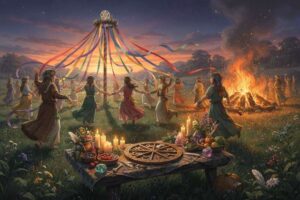
For the Celts, this wasn’t just a calendar date — it was a crucial spiritual moment when the barrier between physical and spiritual worlds grew thin enough to communicate with those who had passed on. They lit bonfires to ward off unwanted spirits, left food offerings for deceased loved ones, and performed divination to glimpse what the coming year would bring.
When Christianity spread through Celtic lands, the Church absorbed Samhain into All Hallows’ Eve (Halloween), blending pagan customs with Christian observance. Many traditions you know today — carved pumpkins, costume-wearing, leaving out treats — carry echoes of these ancient practices, though their original spiritual meanings have often been forgotten.
As a modern practitioner, celebrating Samhain reconnects you with natural cycles your body already senses. This holiday acknowledges death as part of life’s rhythm, offers space to grieve and remember, and provides a powerful reset point for releasing what no longer serves you.
Common Ways Witches Celebrate Samhain Today
Modern practitioners approach Samhain from various spiritual paths, each bringing their own flavor to the celebration while honoring the festival’s core themes of death, rebirth, and ancestral connection.
Wiccan Samhain typically includes formal ritual circle work with the Goddess in her Crone aspect and the God as he descends into the underworld. Wiccans often hold communal feasts where they set extra places at the table for the beloved dead and perform structured ceremonies honoring the turning Wheel of the Year.
Eclectic and solitary witches create personalized rituals that blend Celtic tradition with elements from other spiritual systems. You might light candles for ancestors, perform tarot readings, prepare seasonal foods, or simply spend quiet time in meditation reflecting on the year’s endings and beginnings.
Kitchen witches focus their Samhain practice through food magic — baking soul cakes, brewing apple cider infused with intention, roasting harvest vegetables, and creating ancestor altar offerings from family recipes that carry memories forward.
Hedge witches and spirit workers use Samhain’s thin veil for deep trance work, journeying to connect with guides and ancestors, performing necromancy (respectful communication with the dead), and strengthening their psychic abilities when spiritual contact flows most easily.
Step-by-Step: How to Perform Samhain Rituals
Step 1: Cleanse Your Space and Prepare Your Altar
Begin your Samhain work by physically and energetically clearing the space where you’ll practice. Clean your altar area, sweep your floors, and open windows to let stagnant energy escape. Burn sage, mugwort, or rosemary to purify the space — these herbs carry protective and clarifying properties perfect for this liminal time.
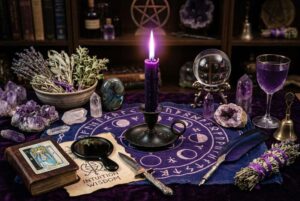
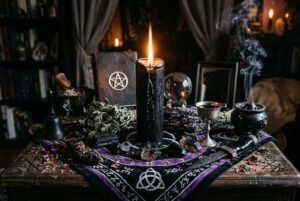
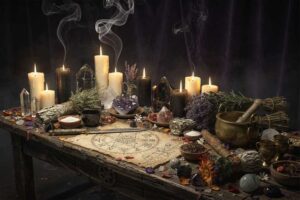
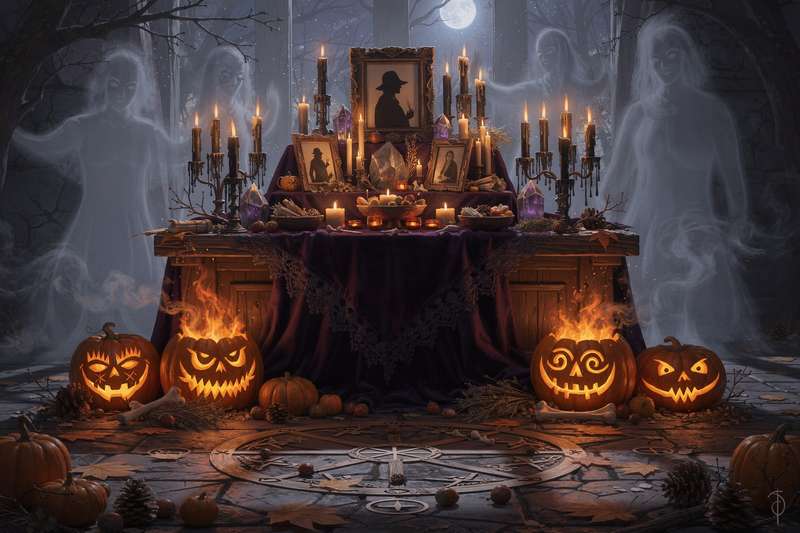
Set up your Samhain altar with symbols of the season: black and orange candles representing darkness and harvest, photographs of deceased loved ones, seasonal foods like apples and pumpkins, and any meaningful objects connected to ancestors. Add crystals like obsidian for protection, smoky quartz for grounding, or amethyst for spiritual connection. Your altar becomes a focal point where the physical and spiritual worlds meet.
Step 2: Create a Dumb Supper for Your Ancestors
The traditional “dumb supper” (meaning silent, not foolish) is a powerful Samhain ritual where you prepare a meal and invite your ancestors to join you. Cook foods your loved ones enjoyed or traditional harvest dishes like roasted root vegetables, apple dishes, or soul cakes. Set places at your table for those who have passed, serving them portions just as you would living guests.
Eat in silence, focusing your awareness on the presence of those you’re honoring. You might sense their energy, receive intuitive messages, or simply feel the comfort of connection across the veil. This isn’t about fear or spookiness — it’s about maintaining loving bonds with those who shaped your life. After the meal, leave the ancestors’ portions outside as an offering or dispose of them respectfully.
Step 3: Perform a Release and Renewal Ritual
Samhain marks endings and new beginnings, making it ideal for releasing what you’ve outgrown. Write down everything you want to let go of — old grudges, limiting beliefs, painful memories, toxic patterns, or goals that no longer align with your truth. Be specific and honest with yourself.
Light a cauldron or fire-safe bowl and read each item aloud, acknowledging its role in your journey. Then burn the paper, watching the smoke carry these energies away. As the flames consume your words, visualize yourself freed from these burdens. Follow this with a second list — write down intentions for the coming year, qualities you want to cultivate, and goals that reflect who you’re becoming. Keep this list on your altar or in your grimoire, and revisit it throughout the year.
Step 4: Practice Samhain Divination
The thin veil makes Samhain the most powerful night of the year for divination. Your intuition flows more freely, and messages from spirit guides and ancestors come through with unusual clarity. Choose your preferred divination method — tarot, oracle cards, runes, scrying, pendulum work, or tea leaf reading.
Create sacred space by lighting candles and calling on your guides and ancestors for assistance. Ask questions about the year ahead, seek guidance on specific situations, or request messages from loved ones who have passed. Trust what you receive, even if it doesn’t make immediate sense. Record everything in your journal — divination performed on Samhain often reveals its full meaning as the months unfold.
Step 5: Light a Candle Vigil for the Dead
As darkness falls on Samhain night, light candles in your windows to guide ancestral spirits home and honor all those who have crossed over. You can dedicate specific candles to particular loved ones, speaking their names aloud and sharing memories that keep them alive in your heart.
Some practitioners light one black candle for all the forgotten dead — those with no one left to remember them — offering this act of kindness to souls who might otherwise go unacknowledged. Let your candles burn safely through the night (use appropriate holders and never leave flames unattended), creating a beacon of love and remembrance that bridges the worlds.
Step 6: Take a Samhain Nature Walk
Step outside and witness the season’s transition firsthand. Walk through fallen leaves, observe bare branches preparing for winter’s sleep, and feel the crisp air on your skin. This simple act attunes you to the natural cycles Samhain celebrates.
Collect items for your altar — beautiful leaves, acorns, pine cones, interesting stones. As you walk, reflect on what’s ending in your own life and what lies dormant, waiting to emerge. Nature shows us that death is never truly final — it’s transformation, rest, and preparation for new growth. Let the natural world teach you about Samhain’s deeper mysteries.
Step 7: Perform Protection Magic
While Samhain is about honoring spirits, it’s wise to maintain clear boundaries. Not all entities that wander during this time have good intentions, and strong emotions can attract unwanted energies. Carve protective symbols into black candles and burn them at your doorways. Create a protective boundary around your home using salt, black tourmaline, or iron.
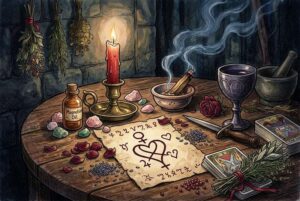
You can also craft a protection charm bag with herbs like rosemary, yarrow, and sage, along with protective stones. Carry this with you or place it above your door. Visualize your space surrounded by protective white or purple light, permitting only benevolent spirits to enter. Protection isn’t about fear — it’s about creating safe space for your spiritual work.
Step 8: Journal Your Samhain Experience
Before you close your Samhain celebration, spend time writing about your experience. Record any messages received during divination, note the emotions that arose during ancestor work, and document intuitive hits or synchronicities. Describe what you released and what intentions you set for the coming year.
This journaling practice serves two purposes: it grounds your spiritual experience in tangible form, and it creates a record you can return to next Samhain to measure your growth. You’ll be amazed at how accurately Samhain divination unfolds and how profoundly you transform when you consciously work with this powerful turning point.
Essential Tools and Supplies for Samhain Magic
You don’t need elaborate equipment to celebrate Samhain meaningfully, but certain tools enhance your practice. Candles are essential — stock black candles for protection and banishing, orange for abundance, and white for spirit communication. Incense and herbs like mugwort, sage, rosemary, and yarrow create sacred atmosphere and carry specific magical properties aligned with Samhain’s themes.
Crystals that resonate with this season include black tourmaline and obsidian for protection, smoky quartz for grounding, and amethyst for psychic development. Keep these on your altar or carry them during ritual. You’ll want divination tools — tarot or oracle decks, runes, a scrying mirror, or a crystal ball — whatever method speaks to your intuition.
Seasonal decorations like pumpkins, gourds, autumn leaves, and apples connect your practice to harvest symbolism. A cauldron or fire-safe bowl is necessary for burning rituals. Finally, maintain a dedicated journal or grimoire to record your Samhain experiences, divination results, and spiritual insights. These simple tools, combined with your intention, create powerful magic.
Ethics and Best Practices for Samhain Work
When working with ancestor spirits and performing Samhain magic, certain ethical guidelines keep your practice respectful and safe. First, always approach spirit communication with reverence, not as entertainment. These are real beings deserving of dignity — never demand, command, or disrespect entities from other realms.
Honor the principle of harm to none. Samhain’s powerful energy can amplify magic, but that doesn’t mean it should be used for manipulation, cursing, or interfering with others’ free will. Focus your spellwork on personal transformation, protection, and healing rather than controlling external circumstances or people.
Be mindful of cultural appropriation. Samhain belongs to Celtic tradition, and while it’s generally considered an open practice (not closed), approach it with respect for its origins. Don’t randomly mix in practices from closed traditions like Native American spirituality or African diaspora religions without proper initiation and permission.
Finally, practice energetic hygiene. After intense spirit work, ground yourself by eating, drinking water, and reconnecting with your physical body. Cleanse your tools and space. If you feel off-balance or notice negative energy lingering after Samhain work, perform additional cleansing and protection rituals until you feel centered again.
Common Beginner Mistakes to Avoid
- Approaching spirit work with fear rather than respect: Yes, Samhain has a darker energy, but fear creates vulnerability to negative influences. Approach with calm confidence, clear boundaries, and protective practices rather than anxious dread.
- Skipping protection and grounding: The enthusiasm to connect with ancestors can make you forget basics. Always cast protection before opening yourself to spirits, and ground thoroughly afterward to prevent feeling spacey or emotionally raw for days.
- Forcing contact with specific spirits: You cannot demand that a particular deceased person appear or communicate. Spirit contact happens on their terms, not yours. Be open to whoever comes through rather than fixating on a specific individual.
- Neglecting the release component: Samhain isn’t just about honoring the past — it’s about letting go. If you only focus on ancestors without releasing old patterns, you miss half the holiday’s transformative power.
- Ignoring your intuition about timing: While Samhain peaks on October 31st-November 1st, its energy extends from mid-October through early November. If you feel called to practice on a different night within this window, trust that instinct.
- Comparing your experience to others: Your Samhain practice is personal. Maybe you don’t see ghost apparitions or receive dramatic messages. Subtle feelings, small synchronicities, and quiet knowing are equally valid spiritual experiences.
How to Build Your Samhain Practice Over Time
Your first Samhain celebration might be simple — lighting a candle, speaking a deceased loved one’s name, taking a contemplative walk. That’s perfect. Spiritual practice deepens through consistency, not complexity.
Each year, add one new element. Maybe next Samhain you try divination. The following year, you prepare a dumb supper. Eventually, you might create elaborate rituals or join a coven for group celebration. Or you might find that your preferred practice remains beautifully simple. Both paths honor the holiday authentically.
Keep a dedicated Samhain section in your grimoire, recording what you did each year, what worked, what didn’t, and how you felt. Over time, you’ll notice patterns — certain rituals that consistently produce powerful results, specific ancestors who communicate most clearly, personal symbols and correspondences that emerge from your unique practice. This becomes your living tradition, rooted in ancient wisdom but flowering in your individual spiritual expression.
Final Thoughts
Samhain offers you a sacred pause in the year’s turning, a moment to honor those who came before, release what no longer serves, and plant seeds for the future. Whether you perform elaborate rituals or simply light a candle in quiet remembrance, you’re participating in a tradition thousands of years old that recognizes death not as an ending but as transformation.
Trust your intuition as you explore these practices. The ancestors are always closer than you think, the veil is genuinely thinner now, and your sincere intention matters more than perfect execution. Welcome to the witch’s new year — may your Samhain be filled with magic, meaning, and profound connection.
Frequently Asked Questions About Samhain Rituals
Do I need to be Wiccan or Celtic to celebrate Samhain?
No, Samhain is considered an open practice that anyone can honor respectfully. While it originated with Celtic peoples, modern practitioners from all backgrounds celebrate this seasonal turning point. Approach it with genuine reverence for its origins and themes rather than treating it as aesthetic or entertainment.
Is it safe to communicate with spirits during Samhain?
When approached with proper protection, clear boundaries, and respectful intention, spirit communication during Samhain can be safe and meaningful. Always cast a protective circle, call only on benevolent ancestors and guides, and trust your instincts. If something feels wrong, close the session immediately and cleanse your space.
What’s the difference between Samhain and Halloween?
Halloween evolved from Samhain after the Catholic Church absorbed the pagan festival into All Hallows’ Eve. Modern Halloween focuses on costumes, candy, and entertainment, while Samhain remains a spiritual observance honoring ancestors, marking seasonal transition, and performing magic during the thinning of the veil between worlds.
Can I celebrate Samhain if I live in the Southern Hemisphere where it’s spring?
Southern Hemisphere practitioners typically celebrate Samhain around April 30th-May 1st when their seasons align with the original Celtic timing (autumn moving into winter). The Wheel of the Year follows natural cycles, so adjust celebrations to match your local environment rather than calendar dates alone.