You’re standing at a crossroads, and your mind keeps circling the same question: “Should I take this job?” “Will this relationship work out?” “Is now the right time to move?” The Yes Or No Tarot Spread offers you a direct path through the fog of indecision. Unlike complex spreads that explore psychological depths or distant futures, this spread gives you actionable clarity when you need to make a choice—though it does so with the wisdom and nuance that only tarot can provide. Rather than reducing your question to a simple coin flip, these methods break down the energies surrounding your decision so you can move forward with confidence and understanding.
When to Use the Yes Or No Tarot Spread
This spread works beautifully when you’re facing a genuine decision point—moments when you need directional guidance rather than open-ended exploration. You might turn to this spread when considering a job offer, contemplating a major purchase, deciding whether to pursue a romantic connection, or evaluating whether to commit to a significant life change. The key is that your question has a clear binary quality to it: will something happen or won’t it, should you take action or hold back?
That said, not every question benefits from a yes or no approach. If your question involves multiple people’s free will, complex timing, or deeply layered emotional dynamics, you’ll want a more expansive spread. The Yes Or No Tarot Spread shines when you’re seeking confirmation, testing your intuition about a specific path, or breaking through analysis paralysis. It’s especially powerful when you’ve already gathered information through other means and need the cards to help you synthesize your inner knowing into a clear direction.
How to Lay Out the Yes Or No Tarot Spread
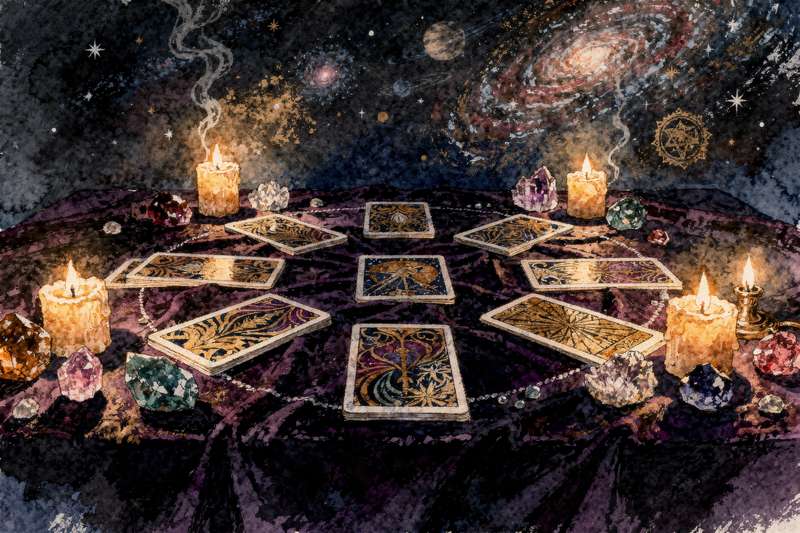
The most effective Yes Or No Tarot Spread uses three cards arranged in a horizontal line from left to right. Before you begin, ground yourself and formulate your question clearly—make it specific and focused on a single decision or outcome. Shuffle your deck while holding your question in mind, and when you feel ready, draw three cards and place them face-down in front of you. Turn them over from left to right: the first card represents factors supporting a “yes” outcome, the second card shows factors opposing or creating obstacles, and the third card reveals what you most need to know to make the best decision. This layout gives you context beyond a flat yes or no—it shows you the landscape of your choice.
Position-by-Position Breakdown
Position 1: Supporting Factors
The first card illuminates everything working in favor of your desired outcome or the positive energies surrounding your question. When you see cards like The Sun, The Star, or any Ace here, you’re looking at strong support—the universe is essentially saying “the wind is at your back.” Court cards in this position might indicate a person who will help you, while cards like The Empress suggest natural growth and abundance are supporting your path. Even challenging cards can be instructive here—if you draw The Tower in the supporting position, it might mean that necessary destruction is actually clearing the way for what you want.
Pay attention to the suit if you draw a Minor Arcana card. Wands suggest passionate momentum and creative energy supporting you, Cups indicate emotional fulfillment and intuitive alignment, Swords point to mental clarity and communication advantages, and Pentacles reveal material resources and practical circumstances working in your favor. The strength of this card matters—a Major Arcana card carries more weight than a Minor Arcana card, suggesting fate or significant forces are involved rather than everyday circumstances.
Position 2: Opposing Factors
Your second card reveals the obstacles, challenges, or energies working against your desired outcome—or it might show you why “no” could actually be the better answer. Cards like The Moon here suggest confusion or hidden information you haven’t yet uncovered, while The Devil might indicate unhealthy attachments or self-sabotaging patterns blocking your path. The Five, Eight, or Nine of Swords in this position often point to anxiety, worry, or mental blocks that are the real obstacles rather than external circumstances.
Don’t automatically read this position as purely negative. Sometimes the opposing factor is actually protecting you from a choice that seems appealing but isn’t in your highest good. If The Hermit appears here, the opposition might be your own need for more reflection and solitude before committing. The Hanged Man suggests that timing is off—you need to pause and shift your perspective. Look at reversed cards in this position carefully: they might indicate that the usual obstacle associated with that card is actually less influential than you fear, or that you’re avoiding seeing something important about why this path might not serve you.
Position 3: What You Need to Know Most
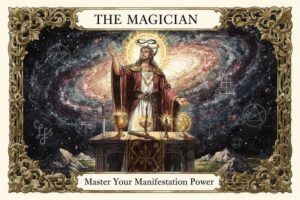
This final card is your guidance card—it reveals the most important information for making your decision wisely. Sometimes it will clearly tip the scales toward yes or no, but more often it offers you the crucial perspective you’ve been missing. The High Priestess here tells you to trust your intuition over logic or others’ opinions, while The Magician suggests you have all the resources you need and should take deliberate action. The Wheel of Fortune indicates that timing and cycles are important factors—your answer may be “yes, but not yet” or “this is part of a larger pattern you need to recognize.”
When The Chariot appears in this position, you’re being shown that success requires determination and willpower—a qualified yes that depends on your commitment. Strength similarly suggests a yes that requires patience, compassion, and steady effort rather than force. Court cards here often personify an aspect of yourself you need to embody: the Queen of Swords might be telling you to engage your discernment and clear communication, while the Knight of Pentacles suggests you need to approach this decision with practical diligence rather than impulsive enthusiasm.
The most important thing about this position is that it transcends simple yes or no—it gives you wisdom. Even if the first two cards seem to clearly indicate yes or no, this third card shows you how to work with that answer. It might reveal timing considerations, internal work you need to do first, or a completely different perspective on what you’re actually asking about. Trust this card deeply; it’s where the spirit of the reading crystallizes into genuine guidance.
Reading the Cards Together as a Complete Story
Once you’ve explored each position individually, step back and look at the three cards as a unified narrative. Are the supporting factors significantly stronger than the opposing ones? Is your guidance card aligned with either the supporting or opposing energy, or does it introduce a completely new dimension? Notice the balance of suits—if all three cards are the same suit, that element dominates your situation. Three Cups cards suggest this is primarily an emotional matter, while three Pentacles indicate practical or material considerations should guide your choice.
Look for Major Arcana cards—their presence indicates that this decision carries significant weight or involves larger life lessons and soul growth. If you have two or three Major Arcana cards, this isn’t a trivial choice, and the universe is deeply invested in your path. Also notice whether cards are upright or reversed. Predominantly upright cards suggest clear, flowing energy, while multiple reversals indicate internal blocks, confusion, or the need to address something within yourself before the external question can resolve.
Sample Reading Example: “Should I Accept This Job Offer?”
Let’s say you draw the Six of Pentacles upright (supporting), the Eight of Swords reversed (opposing), and Strength upright (guidance). The Six of Pentacles shows that this opportunity brings fair exchange, generosity, and the chance to both give and receive value—strong support for accepting. The Eight of Swords reversed in the opposing position is actually good news: your usual fears and self-imposed limitations are falling away, meaning less internal resistance than you expected. Finally, Strength as your guidance card tells you that success here requires patience, gentle persistence, and believing in yourself rather than forcing outcomes.
Reading these together, the answer leans toward yes, but with important nuance: this job will work well if you approach it with confidence in your abilities and don’t let self-doubt sabotage you. The opposing factors are minimal and mostly internal rather than external obstacles. Your path forward requires cultivating inner strength and maintaining faith in yourself throughout the transition.
Common Mistakes to Avoid
- Reading only for the answer you want: If you keep reshuffling until you get a “yes,” you’re not doing divination—you’re seeking validation. Trust the first cards you draw and work with what they reveal.
- Ignoring the guidance card: Many people focus only on whether supporting or opposing factors are stronger and skip the wisdom of the third position. This card often contains the most valuable information for making a truly aligned choice.
- Asking the same question repeatedly: If you receive an answer that disappoints you and immediately ask again, you’re muddying the energy. Give yourself at least 24 hours before revisiting the same question, and use that time to reflect on why you’re resisting the guidance.
- Forcing binary questions on complex situations: Not everything reduces to yes or no. If your question involves multiple people’s choices, long-term relationship dynamics, or your life purpose, you need a more nuanced spread.
- Forgetting that you have free will: Tarot shows you energies and probabilities, not fixed fate. Even a clear “no” can change if you do internal work or shift your approach. The cards guide; you still choose.
Final Thoughts on Yes Or No Tarot Guidance
The Yes Or No Tarot Spread bridges the gap between the clear answer you’re seeking and the deeper wisdom you need to make truly aligned choices. By revealing both supporting and opposing energies along with essential guidance, this spread respects your need for direction while honoring the complexity of your situation. Remember that even when the cards lean toward no, they’re protecting you and redirecting you toward something better aligned with your highest good. Trust the process, stay open to unexpected wisdom, and use what you discover to move forward with clarity and confidence.
Frequently Asked Questions
Can I use a single card for yes or no tarot questions?
Yes, you can draw a single card for quick yes/no guidance, with upright cards generally indicating yes and reversed cards suggesting no. However, this method provides less context than a three-card spread and works best for minor decisions rather than life-changing choices. Major Arcana cards carry more weight—The Sun is a strong yes, while The Tower often indicates no or unexpected change.
What if I get mixed signals with two cards supporting and one opposing?
Mixed signals usually mean “yes, but with conditions” or “it depends on your actions and attitude.” Pay special attention to the guidance card in position three—it will show you what needs to shift or what you need to understand for the outcome to align with your highest good. The question might need to be reframed or the timing reconsidered.
Should I only read reversed cards as no in yes/no spreads?
Not necessarily. Reversed cards indicate blocked energy, internalized issues, or a need to approach something differently, which doesn’t always mean no. In the opposing factors position, a reversed challenging card might actually reduce obstacles. Focus on the overall energy and what each card specifically represents rather than rigid yes/no associations.
How often can I ask the same yes or no question?
Give the situation time to develop before asking again—at least a week for minor questions, a month for significant decisions. If circumstances genuinely change or you take action that shifts the energy, you can consult the cards again. Repeatedly asking the same question within a short time creates confusion and shows you’re seeking validation rather than genuine guidance.