There’s something profoundly grounding about beginning your day with a single tarot card—a moment of quiet reflection that anchors you to your intuition. A daily tarot reading using the one card draw method is one of the most accessible and powerful practices you can adopt, whether you’re a seasoned reader or picking up a deck for the first time. Unlike complex spreads that require extensive knowledge, this simple approach cuts through the noise and delivers a focused message exactly when you need it most.
The beauty of a daily tarot draw lies in its simplicity and efficiency. You don’t need hours, a quiet temple, or years of experience. A single card can speak volumes about the energy surrounding your day, the lessons waiting for you, or the subtle guidance your higher self is trying to communicate. This practice has become beloved by spiritual seekers worldwide because it works—consistently, reliably, and with remarkable clarity.
When to Use This Spread
The one card tarot reading shines brightest as a daily morning ritual, but its applications extend far beyond that. Use this spread whenever you need quick clarity: before making a decision, when you’re seeking reassurance, or when you simply want to tune into the vibration of the day ahead. It’s perfect for those mornings when you wake with a question on your mind, or when you want to understand the overall theme or energy present in your life right now.
This method is ideal if you’re new to tarot and feel overwhelmed by larger spreads. There’s no pressure to remember complex positions or synthesize multiple narratives. Instead, you’re developing a direct relationship with the cards—learning their language one message at a time. Over weeks and months, you’ll build an intuitive vocabulary that makes reading feel natural and authentic. Even experienced readers return to the one-card draw for its elegant simplicity and surprising depth.
You might also use this spread when you’re in transition or feeling scattered. A single card acts like an anchor, grounding your attention and inviting you to focus on what truly matters. It’s also excellent for tracking patterns—if you keep a tarot journal and record your daily draw, you’ll start noticing recurring themes, messages, and symbols that reveal deeper truths about your journey.
How to Lay Out the Daily Tarot Draw
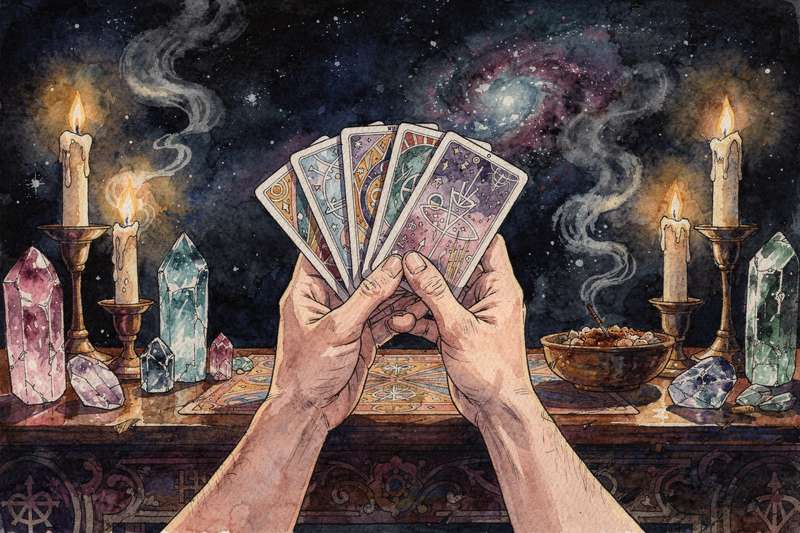
The setup for a daily one-card tarot reading is wonderfully straightforward. First, take a few grounding breaths and settle into a calm, present state of mind. Hold your deck in your hands and think about your intention—not as a rigid question, but as an openness: “What do I need to know today?” or “What energy is moving through my life right now?”
As you hold this intention, shuffle the deck in whatever way feels natural to you. There’s no “correct” way—fan them out, riffle shuffle, or cut them into piles. What matters is that you’re channeling your energy and awareness into the cards. Many readers find that shuffling while mentally repeating their question or intention deepens the resonance of the reading.
When you feel ready, stop shuffling and draw one card from anywhere in the deck. Some people take the top card; others fan the deck and pull from the middle. Trust your instinct. Place the card face-down in front of you, take another breath, and then flip it over to reveal your message for the day.
Position-by-Position Breakdown
The Daily Message: Your Card
This single position holds the entire reading. Your drawn card represents the dominant energy, lesson, challenge, or blessing present in your day. It’s your spiritual weather forecast—not necessarily a prediction of events, but rather the underlying current you’re swimming in. Pay attention to whether the card arrived upright or reversed, as this shifts the nuance of its meaning.
When interpreting this position, consider multiple layers. First, what is your immediate gut feeling about the card? Before consulting any guidebook, notice what emotions or thoughts arise. This spontaneous response is often your intuition speaking directly. Then, turn to the card’s traditional meanings and symbols. How do these connect to what you know about your current situation? Is there a message here that challenges you, comforts you, or invites you to shift perspective?
The beauty of the one-card reading is that it invites you to sit with ambiguity and discover personal meaning. A card like The Hermit might suggest a day for solitude and reflection, or it could indicate that you need to seek wise counsel. The Eight of Pentacles might point to mastery and hard work, or remind you to invest in your skills and growth. Your life context, your question, and your intuition together create the reading’s truth.
Reading the Cards Together
With only one card, there’s no “together” in the traditional sense—but there is a profound unity to explore. Your single card invites you to integrate its message into your entire being. Ask yourself: How does this card’s energy want to move through my day? What would it look like if I embodied this card’s wisdom? If this card represents a challenge, what is it inviting me to learn?
Consider the card’s numerology and suit, as these add layers of meaning. A Major Arcana card suggests significant life themes or soul lessons. A Wand speaks to creativity and passion; Cups to emotions and relationships; Swords to clarity and conflict; Pentacles to material and practical matters. These details help you understand not just what message is arriving, but the arena in which it’s playing out.
Sample Reading Example
Let’s say you draw the Queen of Cups on a morning when you’ve been feeling emotionally guarded. Traditionally, this card embodies compassion, emotional depth, and intuitive wisdom. Your reading might unfold like this: “Today, I’m being invited to soften my defenses and trust my emotional intuition. Perhaps someone needs my empathy, or perhaps I need to offer myself that same tenderness I give to others. The Queen of Cups reminds me that my sensitivity is a strength, not a liability. Today, I’ll practice being emotionally available—to myself and others.”
Compare that to drawing the Five of Swords on a tense morning when conflict feels inevitable. Rather than seeing this as doom, you might interpret it as: “This card shows me that I’m approaching a situation with defensiveness. What if, instead of trying to ‘win’ today, I chose peace? The Five of Swords reminds me that pyrrhic victories leave everyone wounded. Today, I’ll look for solutions that honor everyone involved, even if it means letting go of being ‘right.’”
Both readings use the same card meanings but apply them directly to your lived experience. That’s the power of the one-card draw—it meets you exactly where you are and offers guidance that feels personally relevant and actionable.
Common Mistakes to Avoid
- Overthinking the Interpretation: A one-card draw doesn’t require deep analysis. Your first instinct is often the truest. If you find yourself intellectualizing, pause and reconnect with your gut feeling.
- Dismissing “Negative” Cards: Cards like the Ten of Swords or The Tower aren’t omens of doom. They’re invitations to awareness, change, and growth. Every card carries wisdom.
- Ignoring Your Intuition for the Book: Tarot guidebooks are helpful references, but your intuition is your true teacher. If a traditional meaning doesn’t resonate, trust what you sense instead.
- Drawing Multiple Times for a “Better” Answer: One card per day means one reading. Drawing again teaches the cards that you don’t trust their messages, which weakens your relationship with the deck over time.
- Forgetting to Journal: Writing down your daily draw and how it manifested throughout your day builds pattern recognition and deepens your tarot literacy exponentially.
Final Thoughts
The daily tarot reading practice is a gift you give yourself each morning—a moment of pause, presence, and spiritual connection. Whether you’re seeking guidance, clarity, or simply a touchstone for intention-setting, the one-card draw delivers with remarkable consistency. Start today, trust the process, and watch as this simple ritual transforms your relationship with the cards and your intuition.
FAQ
Can a one-card tarot reading be as accurate as a full spread?
Absolutely. Many experienced readers find that a single card delivers clearer, more focused messages than complex spreads. The simplicity actually invites deeper intuitive insight because there are fewer layers to synthesize.
What if I pull a reversed card in my daily tarot reading?
A reversed card typically indicates the shadow side of its upright meaning—blockages, delays, or invitations to reconsider your approach. Some readers ignore reversals in daily draws; others find them deeply meaningful. Choose what aligns with your practice.
How long should I spend interpreting my one-card draw?
There’s no set time. Some readers spend 2-3 minutes with intuitive reflection and move on; others spend 10-15 minutes journaling and contemplating. Let your intuition guide you based on what feels right that morning.
Should I use the same tarot deck for daily readings?
Yes, if possible. Developing a long-term relationship with one deck strengthens your intuitive connection and helps you recognize patterns over time. That said, if you’re drawn to use different decks, honor that impulse.