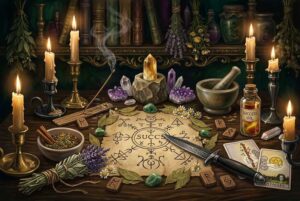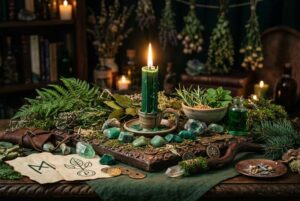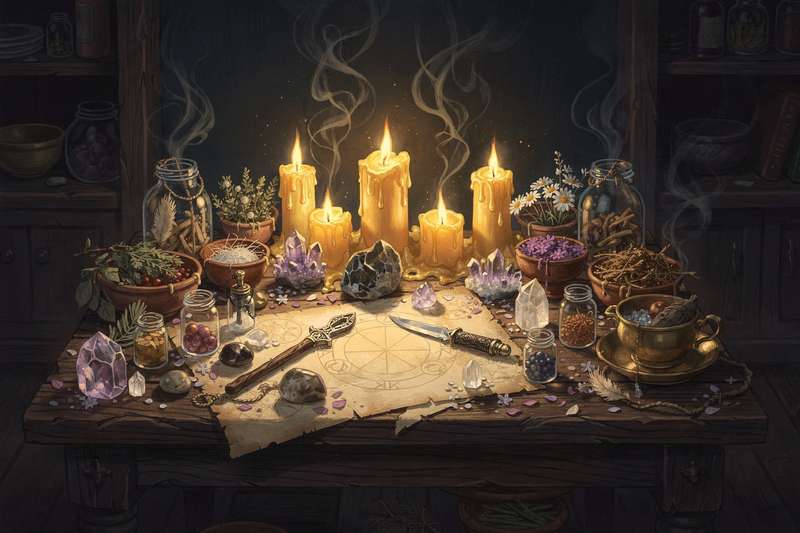
When you work with herbal magic, you’re tapping into one of the oldest forms of spiritual practice on Earth. Plants carry their own unique energies—vibrations shaped by centuries of growth, folklore, and reverence. Whether you’re crafting a protection sachet, brewing a money-drawing tea, or simply setting intentions over a bundle of dried lavender, herbs offer an accessible, grounding way to amplify your magic. You don’t need expensive tools or years of training to start. A few dried leaves, a clear intention, and respect for the plant’s spirit are all you need. This guide will walk you through the foundational knowledge, practical steps, and essential herbs to build a thriving herbal practice—whether you’re a curious beginner or deepening your existing craft.
What Is Herbal Magic?
Herbal magic is the intentional use of plants—roots, leaves, flowers, seeds, and bark—to support spiritual goals like protection, healing, love, prosperity, and psychic awareness. Every herb carries inherent properties: rosemary for clarity and remembrance, cinnamon for success and power, mugwort for dreams and visions. You align your intention with the plant’s natural energy, then incorporate it into spells, rituals, baths, sachets, oils, or teas.
One common myth is that herbal magic requires rigid rules or ancient lineage knowledge. The truth is that many traditions—kitchen witchcraft, hedge witchery, green witchcraft, eclectic Wicca—all honor herbs in their own ways. You can follow traditional correspondences (the classic uses passed down through grimoires and folklore) or build your own intuitive relationships with plants. Both approaches are valid. The key is respect: understanding the plant’s history, harvesting or sourcing ethically, and always expressing gratitude for its energy.
Common Paths in Herbal Witchcraft
Herbal magic weaves through many spiritual traditions. Kitchen witches infuse cooking and home care with intention, using culinary herbs like basil, thyme, and bay leaf in everyday meals to bless their households. Green witches center their entire practice around plants, often growing their own herbs, wildcrafting, and creating deep relationships with local flora. Hedge witches walk between the mundane and spirit worlds, using herbs like mugwort and wormwood to facilitate trance, astral travel, and ancestral communication.
Wiccan practitioners incorporate herbs into seasonal rituals, sabbat celebrations, and esbat moon ceremonies, often drawing from traditional correspondences rooted in European folk magic. Hoodoo and conjure workers use roots and herbs like High John the Conqueror, angelica, and devil’s shoestring in spells for protection, court cases, and drawing luck. No matter which path resonates with you, herbs remain a unifying thread—affordable, potent, and deeply connected to the earth’s wisdom.
How to Choose and Work With Magical Herbs: Step-by-Step
Step 1: Set Your Intention Clearly
Before you reach for any herb, know what you’re working toward. Are you seeking emotional healing? Financial stability? Energetic protection? Write down your intention in one clear sentence. The more specific you are, the easier it is to select the right herb. For example, “I attract unexpected money” is more focused than “I want to feel abundant.” Your intention becomes the energetic blueprint the herb will amplify.
Step 2: Research Herb Correspondences
Each herb carries traditional associations. Lavender supports peace, sleep, and love. Cinnamon aligns with success, prosperity, and fast action. Bay leaf enhances wishes, protection, and psychic power. Start with a small reference list (see the comprehensive herb guide below) and cross-reference your intention with the herbs’ properties. If multiple herbs resonate, trust your intuition. The plant that captures your attention is often the one your energy needs most.
Step 3: Source Your Herbs Ethically
Quality matters in herbal magic. Whenever possible, choose organic or wildcrafted herbs to ensure the plant wasn’t treated with pesticides or grown in depleted soil. If you’re foraging, follow the rule of thirds: never take more than one-third of a plant population, and always ask permission (silently or aloud) before harvesting. If purchasing, support small apothecaries or herbalists who source sustainably. Store your herbs in airtight glass jars away from direct sunlight to preserve their potency and energetic charge.
Step 4: Cleanse and Charge Your Herbs
Even ethically sourced herbs benefit from energetic cleansing. Pass them through the smoke of burning sage, palo santo, or incense. Alternatively, hold them under moonlight overnight (especially during a full moon) or place them on a selenite charging plate. As you cleanse, visualize any stagnant or misaligned energy dissipating. Then charge the herb with your specific intention—hold it in your hands, close your eyes, and speak or think your goal into the plant. Feel the herb absorbing your words.
Step 5: Decide on Your Method
You can use herbs in countless ways. Spell sachets: blend 3-5 herbs in a small cloth bag and carry it with you or place it on your altar. Herbal baths: steep herbs in hot water, strain, and add the infusion to your bathwater while visualizing your intention. Candle magic: dress a candle with herbal-infused oil or sprinkle crushed herbs around the candle’s base before lighting. Incense and smoke: burn dried herbs on charcoal discs to cleanse spaces or invite specific energies. Teas and tinctures: if the herb is safe for consumption, drink it as a ritual act (always verify safety first—some magical herbs are toxic).
Step 6: Perform Your Spell or Ritual
Create sacred space. Light a candle, call upon your deities or guides if you work with them, or simply ground yourself with three deep breaths. Speak your intention aloud as you work with the herb—whether you’re stitching it into a sachet, sprinkling it in a circle, or placing it under your pillow. The act of speaking crystallizes your will. If you’re a silent practitioner, visualize your intention as golden light pouring into the herb. Trust that the plant’s energy and your focused will are now cooperating.
Step 7: Close with Gratitude
Always thank the herb for its assistance. This can be as simple as saying, “Thank you, rosemary, for your protection and clarity.” If you’ve called on spiritual allies, thank them as well. Gratitude seals the energetic exchange and honors the living intelligence of the plant. Then release attachment to the outcome—trust that your intention has been set in motion. Obsessing over results can actually block the flow of manifestation.
Step 8: Dispose of Herbs Respectfully
Once your spell is complete or the herbs have fulfilled their purpose, return them to the earth. Bury them in your garden, scatter them at the base of a tree, or compost them. If you’ve used herbs in a banishing or cleansing spell, some practitioners prefer to dispose of them away from their home (at a crossroads or in running water) to symbolically carry the energy away. Never simply throw magical herbs in the trash without acknowledgment—honor their service.
Essential Herbs for Beginner Spellwork
Basil is your go-to for prosperity, protection, and love. Sprinkle it around your home’s entryways or add it to money-drawing sachets. Rosemary sharpens mental clarity, guards against negativity, and supports remembrance and loyalty. Burn it as incense or wear it in a sachet during study or legal matters. Lavender soothes anxiety, invites peaceful sleep, and attracts gentle love. Add it to dream pillows or ritual baths. Cinnamon accelerates success, draws money, and boosts personal power—use it in candle spells or sprinkle it on your wallet.
Bay leaf is perfect for wish magic: write your desire on a dried bay leaf and burn it to release your intention. Mugwort opens psychic channels, enhances prophetic dreams, and supports astral work—brew it as tea (in small amounts) or tuck it under your pillow. Chamomile attracts prosperity, promotes restful sleep, and purifies energy. Mint draws abundance, refreshes stagnant energy, and supports healing. These eight herbs cover the foundational pillars—protection, prosperity, love, healing, and psychic work—and are widely available, affordable, and easy to work with.
Essential Tools and Supplies for Herbal Magic
You don’t need a fully stocked apothecary to practice herbal magic, but a few basics will support your work. Glass jars with tight-fitting lids preserve your herbs’ potency and keep them organized. A mortar and pestle lets you grind herbs into powders for incense, sachets, or candle dressing. Muslin or cotton drawstring bags are perfect for creating portable spell sachets. A dedicated notebook or grimoire helps you track which herbs you’ve used, what results you experienced, and any intuitive insights that arise.
Consider keeping small candles (chime candles or tea lights) in various colors for candle magic, a fireproof dish or cauldron for burning herbs, and natural twine for binding herbs into bundles. If you’re drawn to crystal work, pair your herbs with stones that share similar intentions—rose quartz with rose petals for love, citrine with cinnamon for prosperity. An altar cloth, even a simple piece of fabric, helps designate your workspace as sacred.
Ethics and Best Practices in Herbal Spellwork
Ethical herbal magic begins with the principle of harm none—ensure your spells respect the free will and well-being of all involved. Love spells, for example, should focus on attracting love into your life or opening your heart, not binding a specific person to you against their will. Always ask yourself: does this spell honor autonomy and create space for the highest good?
Cultural respect is equally crucial. Some herbs and practices belong to closed spiritual traditions (such as white sage in Indigenous ceremonies or certain roots in African diasporic traditions). If you’re drawn to these, seek proper guidance, initiation, or permission. When in doubt, use widely accessible herbs like rosemary, thyme, and lavender. Harvest responsibly—never overharvest wild plants, and always leave offerings (a coin, a strand of your hair, water) as gratitude. Finally, verify safety before ingesting any herb, especially if you’re pregnant, nursing, or on medication. Magical use doesn’t always equal safe consumption.
Common Beginner Mistakes to Avoid
- Using too many herbs at once: Blending 10+ herbs in a single spell creates energetic confusion. Stick to 3-5 herbs with aligned intentions for clarity and potency.
- Ignoring personal intuition: Traditional correspondences are guides, not laws. If a plant whispers to you for a purpose outside its “official” use, trust that inner knowing.
- Skipping the cleansing step: Herbs absorb energy from their growing environment, harvesters, and storage spaces. Always cleanse them before spellwork to ensure you’re working with pure, aligned vibrations.
- Expecting instant results: Herbal magic works with natural rhythms. Some spells manifest within days; others unfold over weeks or months. Patience and trust are part of the practice.
- Forgetting to ground after ritual: Working with plant energies can leave you feeling spacey or ungrounded. After spellwork, eat something, touch the earth, or visualize roots growing from your feet into the soil.
- Disrespecting the plants: Herbs are living beings, not just ingredients. Speak to them, thank them, and handle them with reverence. This respect deepens your magic exponentially.
How to Build Your Herbal Practice Over Time
Start small. Choose one or two herbs that resonate with your current needs and work with them for a full lunar cycle. Notice how they affect your energy, dreams, and daily life. Keep a journal of your experiences. As you build confidence, expand your apothecary slowly—add one new herb per month, research its folklore, grow it if possible, and experiment with different spell methods.
Consider seasonal attunement: work with fresh herbs in spring and summer, dried herbs in fall and winter. Celebrate the Wheel of the Year by incorporating herbs associated with each sabbat. Join online or local herbal magic communities to share knowledge and learn from others. Most importantly, let your practice evolve naturally. There’s no rush, no checklist to complete. Herbal magic is a lifelong relationship with the green world, and every season will teach you something new.
Comprehensive List of Magical Herbs and Their Uses
This reference guide includes over 50 herbs commonly used in spellwork, organized alphabetically for easy navigation. Use this as a starting point for your research, then build personal relationships with the plants that call to you.
A
Acacia: protection, psychic awareness, prosperity, love attraction. Agrimony: protection during sleep, reversing hexes, banishing negativity. Allspice: money drawing, good fortune, physical healing, determination. Aloe: protection against harmful energy, attracting luck, soothing emotional wounds. Angelica: powerful protection, exorcism, visions, healing trauma, warding off negativity. Anise: psychic protection, purification, youthful energy, warding nightmares. Apple: love magic, healing, immortality symbolism, garden blessings.
B
Balm (Lemon Balm): love, success, emotional healing, calming anxiety. Bamboo: protection, breaking hexes, granting wishes, inviting good luck. Basil: prosperity, love, protection, exorcism, wealth, harmony in the home. Bay Leaf: psychic power, protection, purification, wish magic, prophetic dreams, success. Benzoin: purification, prosperity, mental clarity, astral work. Bergamot: money attraction, success in business, confidence, joy. Birch: new beginnings, purification, protection, exorcism, cleansing past trauma. Blackberry: prosperity, protection, healing, abundance, sacred to certain deities. Borage: courage, psychic power, lifting depression, protecting the heart.
C
Calendula (Marigold): prophetic dreams, legal matters, psychic power, solar magic, joy. Cardamom: lust, love, clarity, warming energy, confidence. Carnation: protection, strength, healing, energy boost, devotion. Catnip: love, beauty, happiness, attracting good spirits, cat magic. Cedar: purification, prosperity, healing, protection, grounding, spiritual strength. Chamomile: prosperity, purification, sleep, calming energy, love, emotional healing. Cinnamon: success, prosperity, power, speed, lust, protection, spirituality, psychic awareness. Cinquefoil (Five-Finger Grass): money, protection, prophetic dreams, wisdom, eloquence. Clove: protection, banishing negativity, love, prosperity, mental clarity. Clover: luck, prosperity, love, fidelity, success, protection, fairy magic. Comfrey: safe travel, prosperity, protection during journeys. Coriander: love, health, healing, peace, longevity.
D
Damiana: lust, love, visions, aphrodisiac properties, prophetic dreams, passion. Dandelion: divination, wish magic, calling spirits, resilience, survival, transformation. Dill: protection (especially for children), prosperity, lust, luck, mental power, warding negativity.
E
Echinacea: strengthening spells, immune support magic, resilience, empowerment. Elder (Elderflower/Elderberry): protection, prosperity, exorcism, healing, sleep, honoring the Crone, fairy magic. Eucalyptus: healing, protection, purification, clarity, moon magic.
F
Fennel: protection, healing, purification, courage, strength, longevity. Fern: protection, luck, rain magic, wealth, eternal youth, exorcism, faerie work. Frankincense: protection, exorcism, spirituality, purification, consecration, meditation, solar energy.
G
Galangal: protection, legal matters, lust, health, prosperity, hex-breaking, psychic power, court case magic. Gardenia: love, peace, healing, spirituality, moon magic, attracting positive spirits. Garlic: protection, healing, exorcism, lust, banishing, anti-theft wards. Ginger: success, power, love, prosperity, confidence, warming energy, speed. Ginseng: love, beauty, healing, vitality, protection, longevity, wish magic.
H
Hawthorn: protection, love, happiness, fertility, fairy magic, heart healing (use with caution—sacred to fae). Hazel: wisdom, protection, mental clarity, divination, luck, creativity. Heather: protection, rain magic, luck, passion, spirit work. Hibiscus: lust, love, divination, dream magic, attracting passion. Honeysuckle: prosperity, psychic power, protection, memory, binding magic (use ethically). Hops: healing, sleep, stress relief, dream work. Horehound: protection, mental clarity, exorcism, healing, banishing.
J
Jasmine: love, prophetic dreams, prosperity, spiritual love, moon magic, meditation, psychic work. Juniper: protection, exorcism, love, health, anti-theft, purification, warding negative entities.
L
Lavender: love, protection, sleep, peace, purification, happiness, calming, psychic awareness, longevity. Lemon Peel: purification, love, friendship, longevity, clarity, moon magic. Lemongrass: psychic power, mental clarity, lust, protection, purification. Licorice Root: love, lust, fidelity, control (use ethically), commanding.
M
Mandrake: protection, fertility, prosperity, exorcism, love (highly potent—use sparingly and respectfully). Marjoram: protection, love, happiness, prosperity, calming grief, honoring the dead. Meadowsweet: love, divination, peace, happiness, harmony. Mint (Peppermint/Spearmint): prosperity, healing, protection, travel, exorcism, purification, psychic power. Mistletoe: protection, love, fertility, exorcism, health, hunting magic (use with care—toxic). Mugwort: prophetic dreams, astral projection, psychic power, protection, scrying, visions, spirit communication. Mullein: courage, protection, health, divination, banishing nightmares, exorcism. Myrrh: protection, exorcism, healing, spirituality, meditation, purification, consecration.
N
Nettle: protection, healing, exorcism, lust, courage, hex-breaking, removing curses. Nutmeg: luck, prosperity, health, fidelity, psychic awareness, justice.
O
Oak: protection, strength, success, stability, prosperity, healing, grounding, honoring masculine divine. Orange Peel: love, divination, luck, prosperity, joy, solar magic, uplifting energy. Oregano: joy, strength, vitality, protection, legal matters, letting go of the past. Orris Root: love, protection, divination, attraction, personal magnetism.
P
Passionflower: peace, sleep, love, friendship, calming, reducing anxiety. Patchouli: prosperity, fertility, lust, grounding, earth magic, attraction, sensuality. Pennyroyal: protection, peace, strength (toxic—external use only). Peppermint: purification, healing, love, psychic power, sleep, prosperity. Pine: healing, protection, prosperity, purification, exorcism, fertility, grounding.
R
Rose: love, beauty, psychic power, healing, protection, divination, luck, emotional healing. Rosemary: protection, love, mental clarity, exorcism, purification, healing, remembrance, fidelity, sleep. Rowan: protection, psychic power, success, healing, empowerment, warding spirits. Rue: protection, exorcism, mental clarity, hex-breaking, banishing, healing (use carefully—can cause skin irritation).
S
Sage (Garden Sage): wisdom, protection, purification, longevity, wish magic, clearing energy. Sandalwood: protection, spirituality, exorcism, healing, meditation, wishes. St. John’s Wort: protection, strength, love, divination, happiness, health, banishing negativity. Star Anise: psychic power, luck, purification, spiritual awareness. Sunflower: fertility, wishes, health, wisdom, happiness, solar magic.
T
Thyme: courage, purification, healing, psychic power, love, protection, sleep, releasing the past. Tobacco: healing, purification, offering to spirits (use respectfully—sacred in many Indigenous traditions).
V
Valerian: love, sleep, protection, purification, calming, hex-breaking, harmony. Vanilla: love, lust, mental clarity, prosperity, confidence, joy. Vervain: love, protection, purification, peace, prosperity, youth, creativity, sleep, healing. Vetiver: love, luck, prosperity, hex-breaking, peace, grounding, protection.
W
Willow: love, protection, healing, moon magic, divination, wishes, enchantment, honoring the Goddess. Wormwood: psychic power, protection, love, calling spirits, divination, astral travel (use sparingly—toxic in large amounts). Witch Hazel: protection, chastity, healing, mending broken hearts.
Y
Yarrow: courage, love, psychic power, exorcism, protection, divination, calling upon ancestors, handfasting. Ylang Ylang: love, lust, peace, harmony, aphrodisiac qualities. Yucca: protection, purification, transformation.
Final Thoughts
Herbal magic is one of the most intimate, accessible forms of witchcraft you can practice. It asks only that you slow down, listen, and honor the wisdom held in root, leaf, and petal. As you work with these plants, you’ll notice shifts—not just in your spells’ outcomes, but in how you perceive the world around you. You’ll start recognizing medicinal weeds growing through sidewalk cracks as allies, feeling gratitude for the rosemary bush by your door, sensing the magic in your morning tea. This is the true gift of herbal witchcraft: it roots you in the living, breathing world and reminds you that magic is everywhere, waiting to be acknowledged.
Related Spiritual Practices
Herbal magic pairs beautifully with other spiritual modalities. Many practitioners enhance their spellwork by aligning it with specific moon phases—use waxing moons for attraction spells with herbs like cinnamon and basil, and waning moons for banishing with rue or mugwort. Working with your root chakra or solar plexus chakra can ground your herbal intentions and amplify personal power during ritual.
If you’re drawn to divination, consider pairing herbal sachets with tarot readings to clarify which energies to invite or release. Herbs also complement crystal grids—place rose quartz with rose petals for love work, or clear quartz with rosemary for clarity and protection. The synergy between plant energy and stone vibration deepens your spellwork exponentially.
Frequently Asked Questions About Herbal Magic
Can I use dried herbs from the grocery store for spells?
Yes, grocery store herbs work perfectly fine, especially if they’re organic. While freshly harvested or wildcrafted herbs carry slightly stronger energetic signatures, dried culinary herbs like basil, rosemary, thyme, and bay leaf are widely used and effective. Cleanse and charge them before use to align their energy with your intention.
How do I know if an herb is safe to ingest or burn?
Always research before consuming or burning any herb. Many magical herbs (like pennyroyal, wormwood, and belladonna) are toxic if ingested. Use reputable herbalism resources or consult a trained herbalist. For burning, ensure proper ventilation, and avoid inhaling large amounts of smoke. When in doubt, use herbs in sachets or spell jars instead of internal or smoke-based methods.
What’s the difference between magical use and medicinal use of herbs?
Magical use focuses on the herb’s energetic and symbolic properties to support intentions like protection, love, or prosperity. Medicinal use involves the plant’s physical compounds for healing the body (e.g., chamomile for digestion). The two often overlap—many magical herbs also have medicinal benefits—but magical work doesn’t require ingestion and relies on intention, correspondence, and ritual.
Do I need to follow traditional herb correspondences exactly?
Traditional correspondences are valuable guides rooted in centuries of practice, but they’re not rigid rules. If you feel drawn to use lavender for prosperity instead of love, or if a local plant whispers a different purpose to you, trust your intuition. Personal gnosis (direct spiritual knowing) is just as valid as historical tradition. The relationship you build with each plant matters most.