Why Rune Tattoos Matter More Than You Think
A rune tattoo isn’t just ink on your skin—it’s a declaration of intention. When you choose to carry a Norse symbol permanently, you’re inviting its energy into your daily life. You’re saying yes to the qualities it represents, whether that’s protection, strength, wisdom, or ancestral connection. But here’s what matters: choosing the right rune requires intention, knowledge, and respect for its true meaning.
You’ve probably seen rune tattoos everywhere lately—on Instagram, in tattoo parlors, across spiritual communities. Some are chosen thoughtfully. Others are picked for aesthetic reasons alone, without understanding what the wearer is actually claiming as their own. This guide exists so you don’t end up in that second category.
A Word on History: What Really Happened With Vikings and Tattoos
Before we dive into specific runes, you deserve the truth about Viking tattoos. Popular culture has given you the image of a tattooed Norse warrior, runes blazing across his forearms and chest. It’s compelling. It’s also probably not historically accurate.
The honest reality? We have no archaeological evidence that ancient Vikings actually tattooed runes on their bodies. One 10th-century Arab traveler, Ahmad ibn Fadlan, described Scandinavian traders as having dark markings “from fingertips to neck,” but he never specified tattoos—he may have been describing painted patterns, ritual markings, or stained clothing.
Norse sagas, runestones, and surviving artifacts don’t mention tattooing. No preserved Viking skin with permanent ink has ever been found.
So why pursue a rune tattoo? Because you’re not trying to be historically Viking. You’re choosing to work with symbols that carry real spiritual weight and meaning. That’s actually more authentic than pretending you’re recreating something ancient. You’re creating something new that honors the old—and that’s entirely valid.
Understanding the Elder Futhark: Your Alphabet of Power
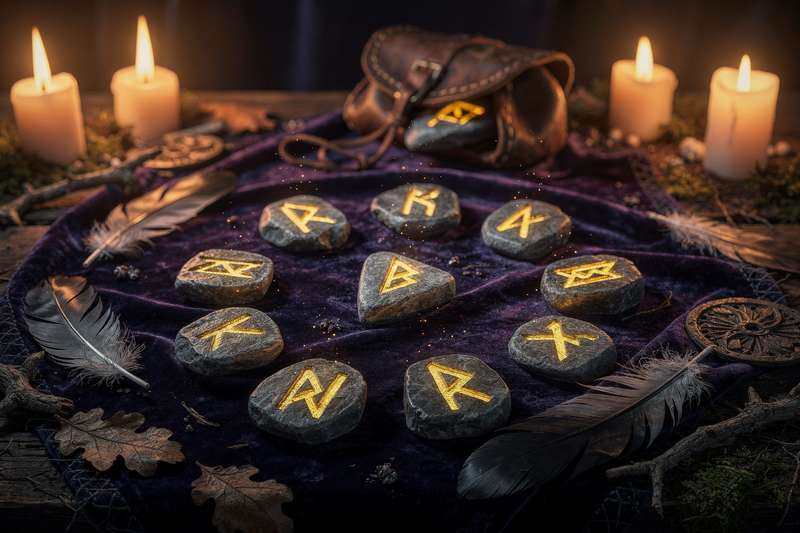
The Elder Futhark is the runic system most people use for tattoos. It contains 24 runes, each with its own name, phonetic sound, and spiritual meaning. The name “Futhark” comes from the first six runes: Fehu, Uruz, Thurisaz, Ansuz, Raidho, and Kenaz—essentially the runic alphabet’s version of ABC.
These 24 runes are organized into three groups of eight, called “aetts” (families). Each aett carries its own energetic tone and themes. When you’re choosing a rune for your tattoo, you’re not just picking a symbol—you’re aligning yourself with centuries of spiritual interpretation and personal meaning.
The Best Runes to Wear: Power, Protection & Purpose
Algiz (Protection & Higher Self)
If you’re drawn to protection without aggression, Algiz is your rune. It looks like an upright hand or antlers, and its energy is about shielding yourself while staying connected to something greater than yourself. You wear Algiz when you want to stand in your own power while remaining open to divine guidance. It’s not about building walls—it’s about spiritual awareness and intuitive knowing. This rune speaks to women especially, as it represents both strength and receptivity.
Uruz (Strength & Wild Potential)
Uruz channels the energy of the wild auroch—an ancient, powerful animal that embodies untamed strength and raw vitality. Choose this rune if you’re reclaiming your power after loss, building physical or mental resilience, or stepping into a more authentic version of yourself. You’re not trying to be tough for show; you’re honoring your genuine capacity to survive, adapt, and thrive. Uruz is for the woman who knows her own wildness isn’t something to apologize for.
Sowilo (Victory & Personal Power)
The sun rune. Sowilo represents clarity, success, and the triumph of your true self over obstacles. This is the tattoo for someone moving through transformation and coming out the other side stronger. It’s about personal victory—not conquering others, but conquering your own doubt, fear, or old patterns. Wear Sowilo when you need a daily reminder that you are capable of shining brightly.
Eihwaz (Resilience & Spiritual Strength)
The yew tree rune carries the energy of endurance and spiritual backbone. Yew trees live for centuries and thrive in harsh conditions. If you’ve survived difficulty and want to honor that resilience, or if you’re building spiritual depth, Eihwaz is powerful. This rune represents balance between the material and spiritual worlds—you’re not checking out of life, but you’re holding a connection to something sacred.
Ansuz (Wisdom & Communication)
Ansuz is the rune of divine inspiration and clear communication. Choose this if you’re a writer, speaker, teacher, or anyone whose life work involves sharing truth. It also represents intellectual clarity and the ability to receive guidance from beyond your conscious mind. You wear Ansuz to invite wisdom in and articulate it clearly to the world.
Gebo (Partnership & Balance)
The gift rune. Gebo represents reciprocal relationships, generosity, and healthy exchange. This is beautiful for people in strong partnerships, whether romantic or creative, or those working to build balanced relationships based on mutual respect. It’s not about losing yourself in connection—it’s about the healthy dance of give and take.
Jera (Harvest & Long-Term Reward)
The harvest rune honors the natural cycles of effort and reward. If you’re playing the long game—building something that takes time, trusting the process, understanding that good things come to those who plant and tend—Jera is your symbol. This is for the patient woman who knows that meaningful results require seasons of work.
Runes to Approach With Caution: Why Some Symbols Carry Risk
You need to know about rune appropriation and misuse. Certain runes have been co-opted by hate groups in recent decades, which has complicated their meaning for modern wearers. This doesn’t change the original spiritual meaning of these runes, but it does mean you need to be intentional about how you present them and what you’re claiming.
Tiwaz (Warrior Energy)
Tiwaz represents the warrior spirit, justice, and honor. It’s a powerful rune with legitimate spiritual meaning. However, it has also been appropriated by certain extremist groups. If you choose Tiwaz, you need to be clear about your intention: Are you honoring the warrior within yourself? The courage to fight for what’s right? Or are you drawn to something darker? Know your own heart before you ink this symbol. The rune itself is neutral; the wearer’s intention gives it meaning.
Othala (Ancestral Connection & Inheritance)
Othala speaks to ancestry, home, and inheritance—both material and spiritual. It’s a beautiful rune for honoring your lineage. But like Tiwaz, it’s been misused by those promoting exclusionary ideologies. If you wear Othala, be prepared to articulate why: You’re honoring your ancestral wisdom? Claiming your spiritual inheritance? Grounding yourself in family values? Make your intention clear, at least to yourself.
Hagalaz (Disruption & Transformation)
The hail rune represents necessary chaos and radical change. Some people avoid this because its energy feels uncomfortable. But actually, Hagalaz is for the brave. If you’re willing to let your life be disrupted in service of your growth, if you understand that sometimes things need to break down before they can rebuild better, Hagalaz is honest. Just know you’re not inviting chaos for chaos’s sake—you’re inviting transformation that serves your evolution.
Runes Generally Best Avoided for Tattoos
Some runes carry heavy, challenging energy that you might not want permanently embedded in your daily consciousness.
Nauthiz (Constraint & Hardship) — This rune represents struggle and the pressure that forges strength. While powerful in divination or temporary ritual work, wearing it permanently means you’re constantly inviting difficulty. Unless you’re specifically working with hardship as a spiritual teacher, consider something more uplifting.
Isa (Stillness & Stagnation) — The ice rune can mean meditation and clarity, but it also represents being frozen, unable to move. As a permanent tattoo, it might keep you in stasis rather than flowing forward.
Perthro (Hidden Things & Mystery) — This rune works best when you’re actively divining or seeking hidden knowledge. On your skin permanently, it may keep you perpetually uncertain rather than grounded in clarity.
Placement & Design: Where to Put Your Rune & How to Make It Yours
The placement of your rune tattoo matters both practically and symbolically. Where you wear it affects how the energy moves through your body and how you interact with it daily.
Wrists or forearms: Visible, active energy. You see your rune regularly, and others may see it. This works for runes representing communication, strength, or protection in action.
Chest or heart area: Intimate, personal. This placement is for runes that represent your core values, your most authentic self, what you keep close to your heart.
Ankle or foot: Grounding, foundation. Use this for runes about stability, journey, or ancestral connection—literally carrying them with you as you move through the world.
Behind the ear or along the spine: Spiritual, subtle. This feels right for runes about wisdom, intuition, or divine connection.
You can also create bindrunes—combinations of two or more runes woven together into a single symbol. This is advanced work. If you’re considering a bindrune, understand each rune’s individual meaning first, then consciously combine them to create a personalized sigil. You’re essentially creating a magical statement unique to you.
Questions to Ask Before You Commit
Before you book that appointment, sit with these questions:
- Do I understand what this rune actually means, or am I drawn to its aesthetic?
- Is this choice coming from my authentic self, or from external influence?
- Am I willing to carry this energy for the rest of my life?
- Can I articulate why I’ve chosen this symbol, if someone asks?
- Does this rune align with who I’m becoming, not just who I am?
If you can answer these honestly, you’re ready to choose a rune that truly belongs to you.
Aftercare: Honoring Your New Ink
A fresh rune tattoo deserves proper care. Keep it clean, moisturized, and protected from direct sun while it heals (typically 2-4 weeks). More importantly, spend time with your rune during this healing phase. Look at it daily. Meditate on its meaning. Invite its energy consciously into your life. Your tattoo is most powerful when you’re actively in relationship with it, not just treating it as decoration.
FAQ
What’s the difference between Elder Futhark and Younger Futhark tattoos?
Elder Futhark has 24 runes and is used by most people for tattoos because each rune has rich symbolic meaning. Younger Futhark has 16 runes and was used during the actual Viking Age, so it’s more historically accurate if authenticity matters to you. For spiritual and magical work, Elder Futhark is the standard choice.
Can I get a rune tattoo if I’m not Norse or Scandinavian?
Absolutely. Runes are symbols of universal human experiences—strength, protection, wisdom, love. They’re not gatekept by ancestry. What matters is respect and intentionality. Learn what the rune actually means, understand its history, and wear it with genuine connection rather than appropriation.
Will a rune tattoo hurt more than a regular tattoo?
No. Pain depends on placement, size, and your individual sensitivity—not the design. Smaller runes hurt less. Areas with more bone or nerve sensitivity (ribs, spine, feet) hurt more than fleshy areas (upper arm, thigh). Talk to your tattoo artist about placement if pain is a concern.
Can I combine multiple runes into one tattoo?
Yes, and it’s actually common. You can line them up separately, weave them into a bindrune, or arrange them in a meaningful pattern. Just make sure you understand each rune’s meaning individually and how they interact together. You’re creating a statement, so be intentional about it.
What if I regret my choice later?
Tattoos can be covered with new designs, removed with laser treatment (which is expensive and takes multiple sessions), or reframed with additional tattoo work. The best prevention is spending time with your choice before you get inked. Wear temporary rune tattoos, meditate on the symbol, sit with it for at least a month before committing permanently.
Should I get a rune tattoo if I don’t actively practice rune magic?
You don’t need to be a practicing rune diviner or magical practitioner to wear a rune tattoo. You just need authentic connection to its meaning. If a rune resonates with your values or represents an aspect of yourself you want to honor, that’s enough. Your tattoo doesn’t require special knowledge to be meaningful—it requires intention.