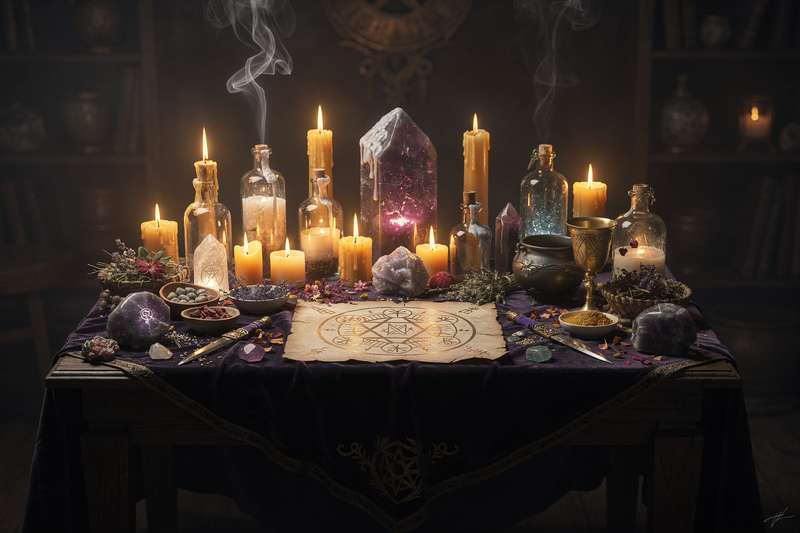
Dream magic spells for sleep and visions have been practiced across nearly every culture in human history — from ancient Egyptian dream temples to the hedge witches of medieval Europe who hung herb bundles above their beds to invite prophetic sight. Today, more people than ever are returning to these practices, not as a replacement for good sleep hygiene or medical care, but as a meaningful, soul-centered layer of their nightly routine. When you approach sleep as sacred time — a threshold between the waking world and the vast inner landscape — something shifts. Your bedroom becomes a sanctuary, your dreams become teachers, and rest itself becomes a ritual act.
What Is Dream Magic?
Dream magic is the intentional use of ritual, herbs, crystals, affirmations, and symbolic acts to influence the quality of your sleep, the clarity of your dreams, and your ability to receive guidance through the dream state. It is not about forcing supernatural visions or performing complex ceremonies. At its core, dream magic is the practice of setting conscious intention before you sleep — and creating the physical and energetic conditions that support whatever you are calling in, whether that is deep rest, creative inspiration, emotional healing, or prophetic imagery.
A common myth is that dream magic requires years of training or a specific tradition. It does not. If you have ever placed a calming scent in your room, written in a journal before bed, or whispered a quiet prayer for peaceful sleep, you have already touched this practice. Dream magic simply gives those instincts a framework.
Common Types of Dream Magic Practice
Dream magic takes many forms depending on your path, your resources, and your intention. Here are the most common approaches:
- Herbal dream work: Using herbs like mugwort, lavender, chamomile, and jasmine — either as sachets, teas, or pillow stuffings — to shift the quality of sleep and invite vivid or prophetic dreaming. This is one of the oldest and most accessible forms of dream magic.
- Crystal magic for sleep: Placing specific stones such as amethyst, moonstone, or lepidolite at the bedside or under the pillow to create a calming, protective energetic field and encourage clear dream recall.
- Candle and sigil work: Lighting a blue or purple candle before bed while holding your intention, or drawing a personal sigil for peaceful sleep and placing it beneath the mattress to work quietly through the night.
- Lunar dream rituals: Timing your most significant dream work around the moon cycle — using the new moon for planting dream intentions and the full moon for heightened vision and emotional release during sleep.
- Dream journaling as magic: Treating the act of recording your dreams as a sacred practice that strengthens your relationship with your subconscious mind over time.
Step-by-Step Dream Magic Ritual for Beginners
The following steps form a complete, beginner-friendly dream magic practice you can begin tonight. You do not need all the tools listed — work with what you have and add more as your practice grows.
Step 1: Cleanse Your Sleep Space
Before any magic, your environment matters. Open a window briefly, light a stick of sandalwood or lavender incense, or simply walk through your bedroom with a clear, calm mind and the intention to release the energy of the day. If you work with sound, a few rings of a singing bowl or a hand clap in each corner can shift the atmosphere noticeably. You are not performing a banishing — you are simply refreshing the space, the way you would air out a room.
Step 2: Choose Your Dream Intention
Before sleep, sit quietly for a few minutes and ask yourself what you need. Deep, restorative rest? Guidance on a difficult situation? Creative inspiration? Emotional healing? Be specific and honest. Write your intention on a small slip of paper in present tense — “I sleep deeply and wake refreshed” or “I receive clear and helpful dreams tonight” — and place it under your pillow or on your nightstand. This single act of conscious intention-setting is arguably the most powerful step in the entire practice.
Step 3: Prepare Your Herbal Allies
Herbs have been the backbone of dream magic across traditions for thousands of years. For restful sleep, lavender, chamomile, and hops are your most reliable companions. For vivid or prophetic dreaming, mugwort is the classic choice — use it in small amounts in a sachet near your pillow rather than drinking it as a tea, especially if you are new to it. Fill a small cloth bag with your chosen dried herbs, tie it closed, and tuck it inside your pillowcase. The gentle scent released throughout the night does more than you might expect.
If you prefer a warm drink, a cup of chamomile tea with a spoon of honey about thirty minutes before bed is a simple, time-honored ritual that genuinely supports relaxation. Sip it slowly and use that time to wind down rather than scroll through a screen.
Step 4: Set Your Crystals
Crystals are optional but powerful dream magic companions. Amethyst is the most widely used stone for dreamwork — it is associated with the third eye chakra, supports intuition, and is said to encourage vivid, meaningful dreams. Moonstone brings a gentle, receptive lunar energy and is particularly supportive if you are working with emotional healing during sleep. Lepidolite, which contains natural lithium, is deeply calming and useful for those who struggle with anxiety at bedtime. Place one or two stones under your pillow or on your nightstand — there is no need to pile up every crystal you own.
Step 5: Light a Candle (Optional but Powerful)
If you choose to work with candle magic, light a blue candle (for peace and calm) or a purple candle (for psychic awareness and dreams) at the start of your bedtime routine. Hold your dream intention in mind as you light it. Allow it to burn safely while you prepare for sleep — never leave a candle unattended, and extinguish it before you actually drift off. Some practitioners use tea lights in a safe holder specifically for this reason. The act of lighting a candle is a simple but effective signal to your mind and spirit that something intentional is beginning.
Step 6: Use a Pre-Sleep Visualization
Once you are in bed, close your eyes and spend three to five minutes with a simple visualization. Picture a place that feels utterly safe and peaceful — it can be real or imagined. A quiet forest clearing, a moonlit shoreline, a warm room filled with soft light. Walk through it slowly in your mind, noticing small details. This is not just relaxation technique — in the language of dream magic, you are pre-setting the stage for your dream mind to enter. With practice, you may find yourself actually arriving in this place during your dreams.
Step 7: Record Your Dreams in the Morning
Keep a journal and pen at your bedside. The moment you wake — before you check your phone, before you get up — write down whatever fragments you remember. Even single images, emotions, or colors are worth recording. Over time, patterns emerge that become a personal symbolic language. This is where dream magic transforms from a single ritual into an ongoing practice of genuine self-knowledge. Your dream journal is one of the most valuable spiritual tools you will ever keep.
Essential Tools and Supplies
You do not need to spend a lot of money to practice dream magic. Here is a simple starter list:
- Herbs: Dried lavender, chamomile, mugwort — available at health food stores or online
- Small cloth sachets for herbal pillows (muslin drawstring bags work perfectly)
- Crystals: Amethyst, moonstone, or lepidolite — one or two is enough
- A dedicated dream journal — any notebook works; the act of dedicating it matters more than the aesthetics
- Candles: Blue or purple tea lights or votives
- Incense or essential oil: Lavender, sandalwood, or frankincense
- Optional — a sigil or written intention to place under your pillow
Start with just two or three of these items. A sachet, a journal, and a clear intention are genuinely all you need to begin.
Ethics and Best Practices in Dream Magic
Dream magic, like all magical practice, works best when it is rooted in clear, honest intention. A few ethical guidelines worth holding:
Work only on yourself. Attempting to influence someone else’s dreams without their knowledge or consent is a boundary violation, regardless of your intention. Dream magic is a personal practice — it belongs in your own inner world.
Respect the source of your tools. Mugwort, for example, is sacred in several Indigenous and folk traditions. Use it with gratitude and awareness, not just as a commodity. If you are drawn to dreamcatcher imagery, take time to understand its cultural origins in Ojibwe tradition and approach it respectfully.
Do not replace medical care. If you are struggling with chronic insomnia, sleep apnea, or significant mental health challenges, dream magic is a complement to care — not a substitute. Seek professional support when you need it.
Common Beginner Mistakes
- Expecting instant results: Dream magic deepens over weeks and months of consistent practice. One night of a new ritual rarely produces dramatic results — patience is the most important ingredient.
- Using too many tools at once: Piling every herb, crystal, candle, and incense into one ritual creates confusion rather than clarity. Choose one or two elements and work with them consistently.
- Skipping the dream journal: This is the piece most beginners drop first and the one that matters most. Without recording your dreams, you lose the feedback loop that makes the magic meaningful.
- Performing rituals in a distracted or hurried state: Checking your phone immediately before bed and then lighting a candle while half-asleep is not a ritual — it is just going through motions. Give yourself at least ten minutes of genuine wind-down before beginning.
- Using mugwort carelessly: Mugwort is a potent dream herb, but it can cause intensely vivid dreams that feel overwhelming if you are not ready. Start with very small amounts and avoid it entirely during pregnancy.
- Dismissing subtle results: Not every dream magic experience arrives as a cinematic vision. Sometimes the result is simply that you slept a little more soundly, or woke with a quiet sense of clarity. These small shifts are the practice working.
How to Build Your Practice Over Time
The most effective dream magic practice is a simple one you actually do every night, rather than an elaborate one you attempt once a month. Begin with a single element — a herbal sachet, perhaps, or the intention-writing ritual — and work with it for two full weeks before adding anything else. Notice what shifts. Then, when you feel ready, layer in another element.
Over time, you may wish to align your dream work with the lunar cycle, deepening your practice on full moons and setting fresh intentions on new moons. You might begin studying the symbolic language your own dreams use. You might experiment with more specific herbs or stones. Let the practice grow naturally from real experience rather than from what looks appealing on a reading list.
Final Thoughts
Every night you sleep, you cross a threshold into one of the most mysterious and underutilized spaces in your life. Dream magic does not manufacture that mystery — it helps you meet it with intention, awareness, and care. Whether you start tonight with a simple lavender sachet and a few words written in a notebook, or you build a full moon dream ritual over months of devoted practice, you are doing something genuinely meaningful: treating your own inner life as sacred. That, at its heart, is what all magic is.
Frequently Asked Questions
What herbs are best for dream magic and prophetic dreams?
Mugwort is the most widely recognized herb for inducing vivid and prophetic dreams and has been used in this way across many folk traditions. Lavender and chamomile are gentler options that primarily support restful, calming sleep. Jasmine is traditionally associated with prophetic or emotionally significant dreams.
Can dream magic spells help with recurring nightmares?
Many practitioners find that protective rituals — such as placing black tourmaline near the bed, burning a cleansing incense like sage or sandalwood before sleep, or creating a sleep protection sachet with mugwort, rosemary, and catnip — help reduce the frequency and intensity of nightmares. The act of setting a conscious, protective intention before sleep is itself a powerful first step. If nightmares are frequent and distressing, it is also worth speaking with a healthcare professional.
What crystals should I use for dream magic?
Amethyst is the go-to crystal for dreamwork, associated with the third eye chakra and intuitive insight. Moonstone supports emotional depth and receptivity during sleep. Lepidolite has a naturally calming quality that helps ease anxiety before bed. One or two crystals placed under your pillow or on your nightstand is sufficient — more is not necessarily better.
Do I need to follow a specific tradition to practice dream magic?
Not at all. Dream magic is one of the most cross-cultural and tradition-agnostic practices in the magical world. Wiccan, eclectic, hedge witch, kitchen witch, and secular practitioners all engage with it in their own ways. You can draw from the elements that resonate with you and leave the rest — there is no single correct approach.