Divination for witches is the sacred art of seeking guidance, clarity, and wisdom through symbolic tools and intuitive practices. Whether you’re drawn to the intricate imagery of tarot cards, the ancient power of runes, or the meditative depth of scrying, these witch divination methods help you strengthen your intuition, make confident decisions, and access insight when you need it most. In an age of constant noise and distraction, more witches are turning to divination as a way to reconnect with their inner knowing and find answers that feel aligned with their highest good.
Learning divination isn’t about predicting a fixed future—it’s about understanding the energies at play in your life right now and empowering yourself to make informed choices. These practices can reveal hidden patterns, illuminate blind spots, and offer fresh perspectives on situations that feel confusing or stuck. Best of all, you don’t need years of training to begin. With the right approach and a willingness to trust yourself, you can start reading tarot, casting runes, or scrying today.
What Is Divination in Witchcraft?
Divination is the practice of seeking knowledge or guidance through ritual, symbols, and intuitive interpretation. For witches, it’s a way to communicate with your higher self, spirit guides, ancestors, or the universe itself—depending on your personal beliefs. Some practitioners view divination as a psychological tool that helps surface subconscious wisdom, while others see it as a genuine connection to spiritual realms.
One common misconception is that divination tells you exactly what will happen, as though fate is carved in stone. In reality, most witches use divination to explore possibilities, understand current energies, and make empowered choices. Another myth is that you need special psychic abilities to divine effectively. The truth is that everyone has intuition—divination simply trains you to listen to it more clearly. Whether you’re a kitchen witch, hedge witch, Wiccan, or eclectic practitioner, divination can enhance your craft in deeply personal ways.
Common Types of Witch Divination Practices
There are countless divination methods practiced by witches across traditions, each offering unique strengths and approaches. Tarot reading uses a deck of 78 cards rich with archetypal imagery to explore questions, situations, and inner landscapes—it’s detailed, visual, and endlessly layered. Rune casting draws on ancient Norse and Germanic traditions, using symbols carved on stones or wood to offer direct, grounded guidance with roots in earth magic. Scrying is the meditative practice of gazing into reflective surfaces like water, mirrors, or crystal balls to receive visions, symbols, or impressions from your subconscious or spirit.
Other popular methods include pendulum dowsing for yes/no questions, tea leaf reading (tasseomancy), candle wax divination (ceromancy), and bibliomancy (randomly opening sacred texts for messages). Some witches also work with oracle cards, bone casting, or smoke reading. Each method has its own energy and learning curve, so explore what feels most natural to you. You might find that one tool resonates deeply, or you may enjoy working with several depending on your question or mood.
Step 1: Choose Your Divination Tool
Begin by selecting the divination method that calls to you most strongly. If you’re drawn to storytelling, symbolism, and detailed guidance, tarot is an excellent choice. The classic Rider-Waite-Smith deck is beginner-friendly and widely taught, though there are hundreds of beautiful decks available—choose one whose imagery speaks to your soul. If you prefer something simpler and more direct, runes offer clarity with fewer symbols to learn. You can purchase a set of witches’ runes (typically 13 symbols) or traditional Elder Futhark runes (24 characters), or craft your own using stones, wood slices, or clay.
If you’re naturally meditative and visual, scrying might be your path. All you need is a dark mirror, a bowl of water, or a crystal ball. Some witches start with a simple black bowl filled with water—it’s accessible, inexpensive, and surprisingly powerful. Trust your instincts here. The “right” tool is the one that makes you curious and excited to practice, not the one that seems most impressive or traditional.
Step 2: Cleanse and Prepare Your Space
Before you begin any divination session, create a calm and energetically clear environment. This helps you enter a receptive state and prevents outside energies from clouding your reading. Start by physically tidying your space—clearing clutter signals to your mind that you’re entering sacred time. Then cleanse the energy using your preferred method: burn sacred herbs like rosemary or mugwort, use sound cleansing with a bell or singing bowl, sprinkle salt water around your space, or visualize white light filling the room.
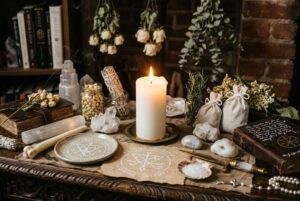
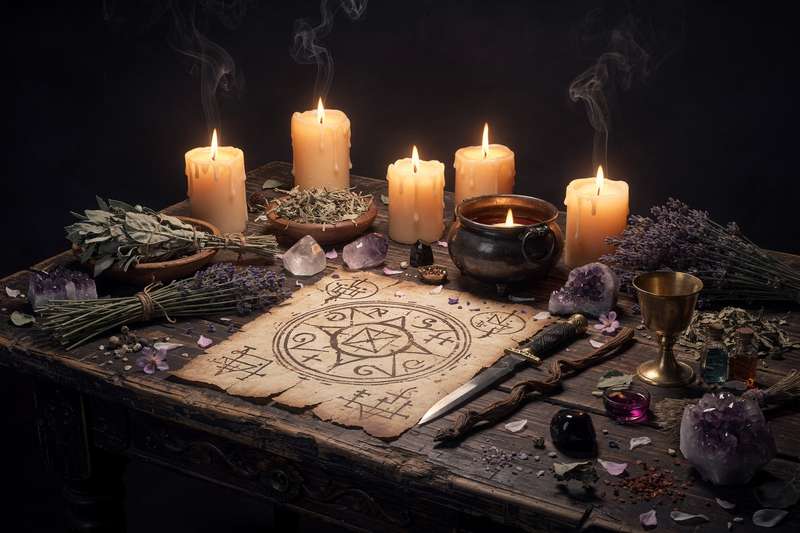
Many witches light a candle to mark the beginning of a divination session—black candles are traditional for psychic work, but white, purple, or silver also support intuition and spiritual connection. You might also want to create a simple altar with meaningful objects: crystals like amethyst or labradorite for intuition, a cup of water for emotional clarity, or fresh flowers for beauty and inspiration. The goal is to create a space that feels intentional, calm, and separate from the rush of daily life.
Step 3: Ground and Center Yourself
Divination works best when your mind is calm and your energy is balanced. Before touching your cards, runes, or scrying tool, take several minutes to ground and center yourself. Sit comfortably, close your eyes, and take slow, deep breaths. Feel your connection to the earth beneath you—imagine roots growing from the base of your spine down into the ground, anchoring you in stability and presence.
Some witches find it helpful to drink a cup of tea mindfully before divining. Mint tea promotes clarity and psychic vision, while lavender tea encourages calm and spiritual connection. If you enjoy kitchen witchery, add a pinch of cinnamon to your tea or coffee for spiritual awareness, or a tiny amount of nutmeg to enhance clairvoyance. As you sip, breathe in the aroma and let the herbs gently open your intuitive channels. When you feel settled, present, and ready—not rushed or distracted—you’re prepared to begin.
Step 4: Set Your Intention or Ask Your Question
Clear intention is the foundation of effective divination. Before you draw cards, cast runes, or gaze into your scrying surface, take a moment to clarify what you’re seeking. You can ask a specific question: “What do I need to know about this job opportunity?” or “How can I improve my relationship with my sister?” Alternatively, you can set a broader intention: “Show me what I need to see right now” or “Reveal what’s hidden in this situation.”
Avoid yes/no questions with tarot and runes, as these tools excel at exploring nuance and complexity. Instead, frame questions as “What happens if…” or “How can I…” or “What’s the deeper truth about…?” Speak your question aloud or silently, hold it clearly in your mind, and trust that your divination tool will respond to the energy of your inquiry. If you’re working with deity, ancestors, or spirit guides, you might also invite them to communicate through your reading.
Step 5: Perform Your Divination (Tarot, Runes, or Scrying)
How to Read Tarot Cards
Shuffle your tarot deck while holding your question in mind. Shuffle until it feels right to stop—there’s no set number of times. For beginners, draw a single card for a simple daily message or three cards for a past-present-future reading. Lay the cards face up and observe your immediate reaction. What do you notice first? What feelings arise? Then examine the imagery: the figures, colors, symbols, and overall mood of the card. Consult your guidebook for traditional meanings, but always balance that knowledge with your intuitive impressions. The most accurate readings blend learned symbolism with personal insight. As you gain experience, explore more complex spreads like the Celtic Cross or create your own layouts based on your needs.
How to Cast Runes
Runes can be cast in several ways. The simplest method is to hold your rune stones or tiles in a bag, focus on your question, and draw one rune for direct guidance. For more detailed insight, draw three runes to represent past influences, present situation, and future outcome. Another traditional method is to cast all your runes onto a cloth and interpret the ones that land face-up, paying attention to their positions and relationships to each other. Runes that land close together influence one another’s meanings, while runes that land far apart represent separate aspects of your question. Start with simple one-rune pulls until you become comfortable with each symbol’s energy and meaning, then gradually expand to more complex casting patterns.
How to Practice Scrying
Scrying requires patience and a soft, unfocused gaze. Sit comfortably in a dimly lit room with your scrying tool—a dark mirror, bowl of water, or crystal ball—positioned so you can gaze into it without strain. Light a candle nearby, but not so close that it creates glare. Take several deep breaths and allow your eyes to relax—don’t stare intensely, but let your vision go slightly out of focus. Hold your question gently in your awareness. At first, you may see nothing but your own reflection or the surface of the water. Keep gazing softly. Over time, you may notice shadows, shapes, colors, or fleeting images. These might be literal visions or symbolic impressions. Some witches see clear pictures, while others receive feelings, words, or sudden knowings. Trust whatever arises, even if it seems vague or strange at first.
Step 6: Record Your Reading
Immediately after your divination session, write down what you received in a dedicated journal. Record the date, your question, which cards or runes appeared, and your initial interpretations. Note any strong feelings, physical sensations, or intuitive hits you experienced during the reading. Don’t worry if the meaning isn’t completely clear right away—divination often reveals its wisdom over time.
Keeping a divination journal serves multiple purposes. It helps you track patterns and themes in your readings, improves your interpretive skills, and creates a personal reference library of how different symbols show up in your life. Weeks or months later, you can look back and see how a confusing reading actually predicted or reflected what unfolded. This practice builds trust in your abilities and deepens your relationship with your chosen divination tools.
Essential Tools and Supplies for Divination
You don’t need expensive equipment to practice divination effectively, but certain tools can enhance your experience. For tarot, you’ll need a deck that resonates with you and a guidebook (most decks include one). A cloth to lay cards on protects them and creates sacred space. For runes, you can purchase a set or craft your own using smooth stones, wood discs, or clay—plus paint or a wood-burning tool for marking symbols, and a bag or cloth to store them in.
For scrying, start with a dark-colored bowl, a black mirror, or even a glass of water at night. A single candle provides gentle illumination. Supporting tools useful for all divination include: a journal and pen for recording readings, cleansing herbs like rosemary or sage, intuition-enhancing crystals such as amethyst, labradorite, or clear quartz, and candles in black, white, or purple. Create a small altar space where you can keep your divination tools when not in use, treating them with respect and intention.
Ethics and Best Practices in Divination
Approaching divination with integrity protects both you and those you read for. First, never read for others without their consent—it violates their energetic boundaries and free will. If someone asks for a reading, approach their question with compassion, not judgment. Avoid making absolute predictions or claiming to know exactly what will happen; instead, offer insight, possibilities, and empowering guidance.
Honor the principle of harm none: don’t use divination to manipulate, control, or frighten anyone. If you receive concerning information in a reading, present it gently and focus on what the person can do to navigate the situation skillfully. Respect cultural origins—if you work with runes, ogham, or other culturally specific systems, take time to learn about their history and use them with reverence, not appropriation. Finally, trust yourself and set boundaries. If a reading feels off or you’re too emotionally involved in the outcome, it’s okay to step back and try again later or seek guidance from another practitioner.
Common Beginner Mistakes in Divination
- Rushing the interpretation: Taking time to sit with a reading allows deeper meanings to emerge. Don’t force an immediate answer if the message isn’t clear—give it space to unfold.
- Over-relying on guidebooks: While learning traditional meanings is valuable, divination is an intuitive art. Balance book knowledge with your own gut feelings and personal symbolism.
- Reading when emotionally charged: If you’re anxious, angry, or desperate for a specific answer, your energy will cloud the reading. Ground first, or wait until you’re calmer.
- Asking the same question repeatedly: Pulling cards or casting runes over and over hoping for a different answer undermines the process. Trust the first reading and give the situation time to develop.
- Ignoring uncomfortable messages: Divination sometimes reveals truths we’d rather not face. Don’t cherry-pick only the comfortable interpretations—the challenging messages often hold the most growth.
- Neglecting to cleanse your tools: Divination tools absorb energy over time. Regularly cleanse your tarot deck, runes, or scrying mirror using smoke, moonlight, or intention to keep them clear and accurate.
How to Build Your Divination Practice Over Time
Developing skill in divination is a journey, not a destination. Start by committing to regular practice—even five minutes a day makes a difference. Pull a daily tarot card each morning, cast a single rune for guidance, or spend a few minutes scrying before bed. Consistency builds confidence and strengthens your intuitive muscles more than occasional marathon sessions.
As you grow more comfortable, experiment with different spreads, casting patterns, or scrying techniques. Study the deeper symbolism behind your chosen system—read books, take classes, or join online communities of practitioners. Most importantly, be patient with yourself. Some readings will feel crystal clear, while others remain mysterious. Both experiences teach you something valuable. Over time, you’ll develop a personal relationship with your divination tools that’s unlike anyone else’s—and that’s exactly as it should be.
Final Thoughts
Divination for witches is a profound practice that connects you to your intuition, spiritual guidance, and inner wisdom. Whether you choose tarot, runes, scrying, or another method, remember that these tools are mirrors reflecting what you already know in your deepest self. Start with curiosity rather than perfection, trust the messages you receive, and allow your practice to evolve naturally. Your divination journey is uniquely yours—honor it, enjoy it, and let it illuminate your path forward with clarity and confidence.
Frequently Asked Questions About Divination for Witches
Do I need to be psychic to practice divination?
No, you don’t need special psychic abilities to practice divination effectively. Everyone has intuition, and divination tools simply help you access and interpret that natural inner knowing. With regular practice, your intuitive skills will naturally strengthen over time.
How often should I cleanse my tarot cards or runes?
Cleanse your divination tools whenever they feel energetically heavy, after reading for others, or at least once a month. You can use smoke from herbs, place them under moonlight, or hold them with the intention of clearing any accumulated energy.
Can I read tarot or runes for myself, or only for others?
You can absolutely read for yourself—in fact, self-readings are an excellent way to develop your skills and gain personal insight. Just be mindful of your emotional state; if you’re too attached to a specific outcome, your interpretation may be clouded.
What’s the difference between witches’ runes and Elder Futhark runes?
Witches’ runes are a simplified modern system typically using 13 symbols with clear, intuitive meanings focused on practical magic and guidance. Elder Futhark is the traditional Norse runic alphabet with 24 characters, each carrying deep historical and mythological significance rooted in ancient Germanic culture.