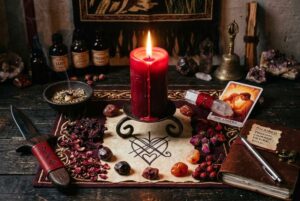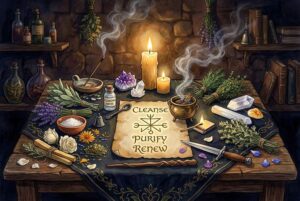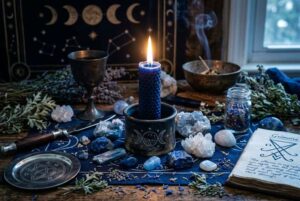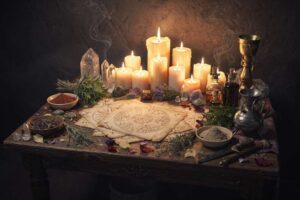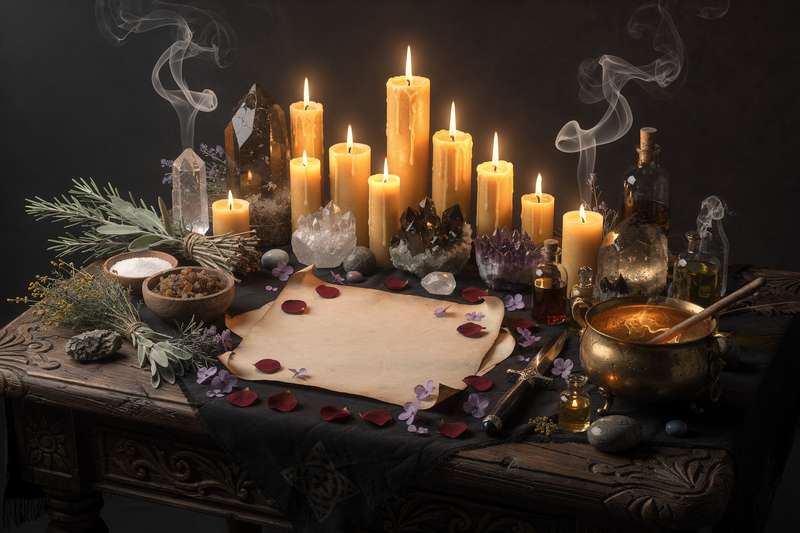
There is something primal and comforting about the curl of smoke rising from a burning herb. Across almost every culture on earth, people have used aromatic plants to purify their homes, prepare sacred space, and shift the energy around them. Today, whether you identify as a Wiccan, a kitchen witch, an eclectic practitioner, or simply someone who wants their home to feel lighter and cleaner, clearing herbs offer a tangible, sensory way to reset your environment and your own energy field. This guide walks you through the most popular smudging and smoke-cleansing herbs, explains exactly when and why to use each one, and gives you ready-to-try herbal combinations so you can start your practice with confidence — no experience required.
What Are Clearing Herbs and Why Do They Work?
Clearing herbs — sometimes called smudging herbs or smoke-cleansing herbs — are dried botanicals, resins, or woods that are burned to release aromatic smoke believed to shift, purify, or elevate the energy of a person or space. The practice itself is ancient. Indigenous cultures across the Americas, Africa, Asia, and Europe have long worked with plant smoke for ceremonial, medicinal, and spiritual purposes.
From a modern holistic perspective, the idea is straightforward: everything carries an energetic charge. Stress, arguments, illness, and emotional heaviness can leave a kind of residue in a room or in your own aura. Burning specific herbs is thought to break up that stagnant or negative energy and replace it with something cleaner, higher, and more harmonious. You do not need to subscribe to any one spiritual tradition to find this practice meaningful — the combination of scent, ritual intention, and mindful breath alone can be profoundly grounding.
Common Types of Clearing Herbs and What They Do
Not all cleansing herbs are created equal. Each plant has its own energetic signature, and choosing the right one for the right moment makes a real difference in your practice. Here is a clear breakdown of the most widely used options.
White Sage
White sage is probably the most recognized cleansing herb in Western witchcraft and holistic circles. Its smoke is believed to effectively remove negative, stagnant, or chaotic energy from a space or person. It works powerfully on its own and blends well with almost every other herb on this list. Use it before rituals, meditation, crystal work, or whenever a room feels heavy and stuck. It is also traditionally used to clear the air after illness. Note: white sage is sacred to several Indigenous peoples of North America — source it ethically and use it respectfully.
Palo Santo
Palo Santo, meaning “holy wood” in Spanish, comes from a tree native to South America. Unlike most cleansing herbs that focus on removal, palo santo is primarily known for calling in blessings, healing, and positive energy. This makes it the ideal companion for the end of a cleansing session — once you have cleared out the heavy energy, burn palo santo to fill that space with warmth, good vibes, and light. It is also wonderful any time you simply want to lift your spirit or make a room feel welcoming.
Frankincense
Frankincense is a resin that has been used in sacred ceremony for thousands of years across the Middle East, Africa, and beyond. Its energy is both purifying and deeply protective. Burning frankincense resin not only removes negative energy but also raises the overall vibration of a space, creating an energetic shield that resists unwanted influences. Its rich, warm aroma is also known to support a meditative, elevated state of mind.
Copal
Copal is a tree resin widely used in Mesoamerican spiritual traditions. Its energy is bright, uplifting, and joyful. Where some herbs are heavy-duty cleansers, copal specializes in infusing a space with fresh, revitalizing positivity. Think of it as the energetic equivalent of throwing open the windows on a spring morning. Use copal when your home or spirit feels dull, flat, or in need of renewal rather than a deep purge.
Dragon’s Blood (Red Sage)
Dragon’s blood is a deep-red resin derived from several plant species, most commonly the Dracaena genus. In herb craft, it is often applied to dried sage, giving it a striking red color and intensifying its cleansing power. Consider this your heavy-duty, extra-strength option. When a space carries particularly dense, dark, or toxic energy — after conflict, trauma, or a period of serious negativity — dragon’s blood cuts through it effectively. It is not an everyday tool; save it for when something deeper is needed.
Rosemary
Rosemary is one of the most accessible and underrated cleansing herbs available, and there is a good chance you already have it in your kitchen. Its energy is refreshing, clarifying, and purifying. Burning rosemary (or even a bundle dried from your garden) is ideal when a space feels mentally foggy, cluttered, or stuffy. Combined with white sage, it deepens and sharpens the cleanse, leaving the air feeling clean and the mind feeling clear.
Rose
Dried rose petals bring a soft, loving, feminine energy to any cleansing practice. Rose is not primarily a purifier — it is a raiser of vibration through love. Adding dried rose petals to a cleansing session brings in heart-centered energy, making it perfect for spaces where you want to cultivate romance, self-care, family warmth, or healing after emotional difficulty. Burned alongside white sage, rose transforms a straightforward purification into a genuinely nurturing ritual.
Step-by-Step: How to Use Clearing Herbs in Your Practice
Whether you are burning a simple sage bundle or working with loose resins on charcoal, the process follows the same core steps. Follow these and you will have a safe, intentional, effective cleansing every time.
Step 1 — Set Your Intention
Before you light anything, take a moment to get clear on what you want this cleansing to accomplish. Are you clearing tension after an argument? Preparing space for a ritual? Welcoming positive energy into a new home? Your intention is the engine of this work. You can speak it aloud, write it in a journal, or simply hold it firmly in your mind as you begin.
Step 2 — Gather Your Supplies
You will need your chosen herb or resin, a fireproof vessel (an abalone shell, cast iron bowl, ceramic dish, or a bowl filled with sand or rice all work well), and a way to light it. For loose resins like frankincense, copal, or dragon’s blood, you will also need a self-igniting charcoal disc. Have a small fan or feather on hand if you want to direct the smoke, and keep a cup of water or damp cloth nearby for safety.
Step 3 — Open a Window
This step is both practical and symbolic. Cracking open a window or door gives the stagnant, dislodged energy somewhere to go — and it prevents your space (and your lungs) from becoming overwhelmed with smoke. It also creates a circuit: old energy out, fresh energy in.
Step 4 — Light Your Herb
For a sage bundle or palo santo stick, hold the tip to a flame for 10-20 seconds, then gently blow out the flame so it smolders and smokes. For loose herbs or resins, light your charcoal disc and wait until it glows red and stops sparking (usually 1-2 minutes), then place your resin on top using a spoon — it will begin to melt and smoke within seconds.
Step 5 — Cleanse Yourself First
Before moving through your space, pass the smoke around your own body — starting at your feet and moving upward, paying attention to your hands, chest, and the crown of your head. This grounds you and aligns your energy with the intention you have set before you begin working on the environment around you.
Step 6 — Move Through Your Space Mindfully
Walk slowly through each room, paying particular attention to corners (energy tends to collect there), doorways, windows, and areas where conflict or stress has occurred. Move in a counter-clockwise direction if your focus is on releasing and clearing, or clockwise if you are drawing in positive energy. Keep returning your focus to your intention.
Step 7 — Speak or Affirm as You Go
Many practitioners find it powerful to speak aloud as they cleanse — a simple statement like “This space is clear, protected, and filled with love” or a more elaborate prayer or incantation that fits your path. The words do not need to be perfect or formal. What matters is that they are genuine and aligned with your intention.
Step 8 — Seal with Palo Santo or a High-Vibration Herb
Once you have completed the clearing pass, use palo santo, copal, or rose to seal in positive energy. Think of this as the final coat — you have removed what did not serve; now you are actively inviting in what does. This step transforms a clearing practice into a full energetic reset.
Step 9 — Close the Ritual and Dispose of Ash Safely
When you are done, press the burning end of your herb into your fireproof dish to extinguish it fully, or allow resins to burn out on their own. Never leave burning material unattended. Dispose of the cooled ash outside if possible — releasing it to the earth feels fitting and completes the energetic cycle. Take a few deep breaths and give thanks, whatever that means for you.
Three Powerful Herbal Combinations to Try
Once you are comfortable with individual herbs, blending them multiplies their effect. Here are three combinations to get you started.
- Cleanse + Uplift (everyday use): White sage + palo santo chips + copal resin on a charcoal disc. This trio clears away stagnant energy, seals in positivity, and leaves your space feeling genuinely refreshed.
- Heavy-Duty Deep Cleanse: White sage + copal resin + dragon’s blood resin + frankincense resin. Use this powerful blend when a space carries particularly heavy or toxic energy. The combination purifies deeply, creates strong protective energy, and raises the vibration significantly.
- Purifying Love Ritual: White sage + copal resin + frankincense resin + dried rose petals. This combination cleanses and protects while simultaneously filling your space with love. Ideal before self-care rituals, couples’ evenings, or family gatherings.
Essential Tools and Supplies for Smoke Cleansing
You do not need a lot to get started, but a few quality tools make your practice safer and more enjoyable.
- Fireproof vessel: An abalone shell, cast iron cauldron, ceramic bowl, or a regular bowl packed with sand or uncooked rice all work well.
- Self-igniting charcoal discs: Essential for burning loose resins. Keep them in an airtight tin and use tongs when handling — they get very hot.
- A feather or small fan: For gently directing smoke without waving your hands through it constantly.
- A lighter or matches: Long-handled lighters are especially handy for sage bundles.
- A journal: Record your intentions before each session and any observations afterward. Over time, this becomes a deeply personal record of your practice.
- Crystals: Many practitioners place crystals like clear quartz (for amplification) or black tourmaline (for protection) near their cleansing space to support the work.
Ethics and Best Practices
A few things worth holding in mind as you build this practice:
Cultural respect matters. White sage and palo santo are sacred to specific Indigenous communities. Source them from ethical, sustainable suppliers — ideally those that support Indigenous-led businesses. If white sage feels complicated for your path, rosemary, lavender, cedar, and juniper all offer strong cleansing energy and have broad historical use across many traditions.
Intention is everything. The herb is a tool; your focused mind is the real instrument of change. Show up present and purposeful, and your practice will be far more effective than if you simply wave smoke around distractedly.
Consent counts. If you are cleansing a shared space or working with another person’s energy, check in with them first. Energetic work — like all spiritual practice — should always respect the free will of those involved.
Harm none. Keep smoke well away from children, pets, and anyone with respiratory sensitivities. Safety is sacred too.
Common Beginner Mistakes to Avoid
- Expecting instant results: Energy clearing is a practice, not a one-time fix. Some spaces — or personal energy fields — need repeated attention, especially if they carry deep or longstanding heaviness.
- Skipping the intention: Burning an herb without a clear intention is like sending an email with no subject line. The action still happens, but it lacks direction and force.
- Using too much smoke: More smoke does not mean a deeper cleanse. A gentle, steady smolder is ideal. Choking smoke is uncomfortable, potentially harmful, and not more effective.
- Forgetting to open a window: Stagnant energy needs an exit route. Always allow ventilation during and after a cleansing.
- Leaving burning materials unattended: This is a fire safety issue, full stop. Always stay present until your herbs are fully extinguished.
- Assuming one herb does everything: White sage is versatile, but it is not the only tool in this kit. Explore the full range so you can choose what genuinely fits the moment.
How to Build Your Practice Over Time
The most meaningful smoke-cleansing practices grow gradually, shaped by your own experiences and intuition. Start with one or two herbs you feel drawn to, and get comfortable with those before expanding your collection. Begin to notice how different herbs affect your mood, your energy, and the atmosphere in your home. Keep your journal close and track what resonates.
Over time, you might tie your cleansing practice to the lunar cycle — clearing during the waning moon, setting fresh intentions at the new moon, and working with uplifting herbs at the full moon. You might develop rituals that mark seasonal shifts, life transitions, or daily grounding. There is no single right way. The practice belongs to you.
Final Thoughts
Working with clearing herbs is one of the most accessible, sensory, and genuinely transformative practices available to any spiritual seeker. You do not need years of experience, an elaborate altar, or a specific tradition. You need an intention, a herb, a flame, and an open heart. Start simple. Stay curious. Let the smoke carry what no longer serves you — and invite in the energy you are ready to welcome.
Frequently Asked Questions
What is the difference between smudging and smoke cleansing?
Smudging is a specific ceremonial practice originating from various Indigenous North American traditions, involving sacred herbs used in a ritual context tied to those cultures. Smoke cleansing is a broader, more general term for burning herbs or resins to purify a space or person, used across many cultures worldwide. Using the term “smoke cleansing” is considered more respectful when practicing outside those specific Indigenous traditions.
How often should you cleanse your space with herbs?
There is no fixed rule — it depends entirely on your needs and intuition. Many practitioners do a light cleansing weekly or monthly as maintenance, and a deeper cleanse after significant events like arguments, illness, moving into a new home, or following a period of stress. Your own sense of the energy in your space is the best guide.
Is it safe to burn clearing herbs indoors?
Yes, with basic precautions. Always use a fireproof vessel, keep a window open for ventilation, never leave burning materials unattended, and keep smoke away from children, pets, and anyone with asthma or respiratory sensitivities. Use a light smolder rather than heavy billowing smoke for indoor sessions.
Can you use clearing herbs if you are a complete beginner with no spiritual tradition?
Absolutely. You do not need to belong to any spiritual path to benefit from smoke cleansing. Even from a purely practical standpoint, the ritual of setting an intention, lighting a fragrant herb, and mindfully moving through your home is a grounding, mood-shifting practice that almost anyone can connect with. Start with what feels natural to you and build from there.