Types of witches span a beautiful spectrum of magical practices, each offering unique approaches to connecting with energy, nature, and spirit. Whether you’re drawn to plant medicine, celestial timing, kitchen magic, or spirit communication, understanding the different kinds of witches helps you craft a practice that feels authentic to your soul. Witchcraft has never been more accessible, and today’s practitioners blend ancestral wisdom with modern innovation to create paths that honor both tradition and personal truth.
This guide walks you through the most common witch types and gives you practical steps to discover which resonates with your energy. You’ll learn what defines each path, how to experiment safely, and how to build a sustainable practice that grows with you over time.
What Are the Different Types of Witches?
The various types of witches aren’t rigid categories—they’re frameworks that describe how a practitioner focuses their energy and chooses their tools. A green witch might work primarily with herbs and garden magic, while a cosmic witch aligns spells with planetary movements. Some practitioners identify with one specific type, while others blend multiple approaches into an eclectic practice.
These distinctions emerged organically as witches specialized in what called to them most strongly. A kitchen witch finds the sacred in daily cooking rituals. A hedge witch focuses on spirit work and journeying between realms. A sea witch draws power from ocean tides and water elements. None of these paths is more legitimate or powerful than another—they simply reflect different ways of engaging with magic.
Understanding these categories helps you recognize your natural inclinations and gives you language to describe your practice. You’re not choosing a permanent identity label; you’re exploring what resonates right now, knowing your path will evolve as you do.
Common Types of Witches and Their Practices
Green Witch: Works intimately with plants, herbs, trees, and earth energy. Their magic flows through botanical knowledge, garden rituals, and wildcrafting. They communicate with plant spirits and create potions, tinctures, and healing remedies from what the earth provides.
Kitchen Witch: Transforms cooking and home care into sacred acts. Every meal becomes a spell, every cleaned surface an act of protection magic. Their altar lives in the heart of the home, and they work with culinary herbs, seasonal foods, and hearthfire energy.
Hedge Witch: Practices solitary, boundary-crossing magic. They specialize in spirit communication, shamanic journeying, dreamwork, and moving between the physical and spiritual worlds. The term “hedge” refers to the edge of the village—the threshold between known and unknown.
Cosmic Witch: Aligns their practice with celestial movements, planetary energies, and astrological timing. They cast spells according to moon phases, planetary hours, and birth chart placements, treating the universe as their primary magical text.
Sea Witch: Draws power from oceans, rivers, lakes, and all water sources. They work with tides, collect shells and driftwood, create moon water, and honor water deities. Their magic flows with emotional depth and the rhythm of waves.
Crystal Witch: Specializes in mineral kingdom magic, working with stones, gems, and crystals for healing and spellwork. They build grids, program stones with intention, and combine crystal energy with other magical practices.
Divination Witch: Focuses on reading signs, developing psychic abilities, and mastering oracle systems. They work with tarot, scrying, pendulums, runes, and other tools to receive guidance from spirit and intuition.
Eclectic Witch: Blends practices from multiple traditions, creating a personalized system that draws from various sources. They honor flexibility over strict tradition and adapt their craft to what serves them best.
Step-by-Step Guide to Discovering Your Witch Type
Step 1: Observe What Already Draws You
Before researching or experimenting, pay attention to what naturally captures your interest. Do you lose track of time when you’re cooking? Does your mood shift with the moon? Do you collect stones from every beach you visit? Your existing patterns reveal your magical inclinations.
Notice which elements you’re drawn to—earth, air, fire, water, or spirit. Notice whether you prefer solitary or group experiences, structured ritual or spontaneous magic, indoor or outdoor settings. These preferences aren’t random; they’re signposts pointing toward practices that will sustain you long-term.
Step 2: Research Without Pressure to Choose
Read about different witch types with curiosity rather than urgency to claim a label. Watch how your body responds to descriptions. Does your chest expand when you read about plant magic? Does spirit work make you feel simultaneously excited and nervous? Physical and emotional responses tell you more than intellectual analysis.
Take notes on what excites you, what intimidates you, and what leaves you feeling neutral. The paths that stir strong emotion—even fear—often hold the most potential for growth. Give yourself permission to be interested in multiple types without forcing yourself to choose just one.
Step 3: Start with One Simple Practice from Each Type That Interests You
Choose three to five witch types that resonate and try one beginner-friendly practice from each. If kitchen witchcraft intrigues you, stir intention into your morning coffee for a week. If cosmic magic calls you, track the moon phase daily and notice how your energy shifts. If you’re drawn to crystal work, carry one stone and observe how you feel.
Keep these experiments simple and sustainable. You’re gathering data about what feels natural versus what feels forced. Some practices will click immediately, creating a sense of “yes, this is it.” Others will feel interesting but not essential. Both responses are valuable information.
Step 4: Notice Your Natural Timing and Environment
Pay attention to when and where you feel most magical. Do you come alive at dawn or midnight? Do you crave outdoor rituals or prefer working at your altar? Does your energy rise with the full moon or during the dark moon? Your natural rhythms suggest which practices will fit your life rather than requiring you to constantly override your instincts.
A sea witch living far from the ocean might struggle with their practice, while someone near water feels naturally supported. A cosmic witch in a light-polluted city faces different challenges than one with dark skies. Consider your practical reality alongside your spiritual interests.
Step 5: Experiment with Tools Before Investing Heavily
Before buying expensive supplies, work with what you have. Use kitchen spices instead of specialty herbs. Read free tarot apps before purchasing multiple decks. Create an altar with found objects. This approach helps you discover what you actually use versus what looks aesthetically pleasing but collects dust.
As you practice, you’ll naturally identify which tools enhance your work and which are unnecessary for your personal style. A kitchen witch needs cooking tools they already own. A hedge witch might require only a journal and meditation space. Let your practice reveal what you need rather than accumulating supplies based on what others use.
Step 6: Trust Your Intuition More Than Popularity
Social media might make certain witch types seem more legitimate or attractive, but your practice exists between you and the divine—not you and an audience. If kitchen witchcraft feels right but isn’t as visually dramatic as crystal grids, that doesn’t make it less powerful. If you’re drawn to solitary hedge work but everyone around you practices in covens, honor what calls you.
The most sustainable practice is one that serves your spiritual growth, not one that photographs well or impresses others. Check in regularly: does this feel true, or am I performing what I think witchcraft should look like?
Step 7: Allow Your Practice to Evolve and Blend
You might begin as a green witch and discover a passion for astrology, becoming a blend of green and cosmic practices. You might identify as a kitchen witch for years, then feel called to deeper spirit work. This evolution is natural and healthy. The categories exist to support your understanding, not to limit your growth.
Many experienced practitioners identify as eclectic, having explored multiple paths and integrated what resonates. Others deepen into one specific tradition over decades. Both approaches are valid. Your practice reflects your current needs, questions, and capacities—and all of those change as you do.
Essential Tools and Supplies for Beginning Witches
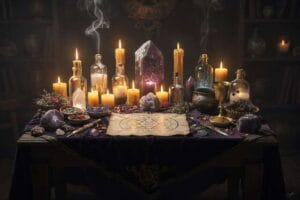
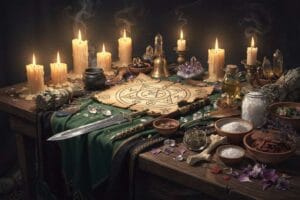
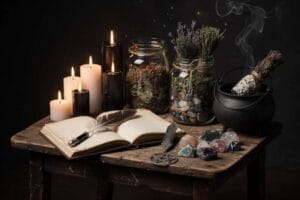
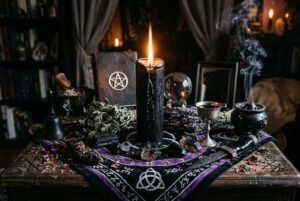
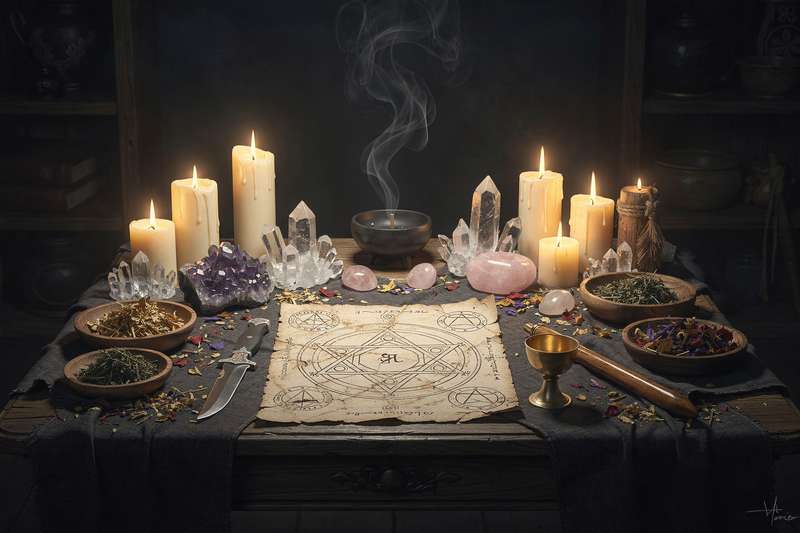
Regardless of which type calls you, certain tools support most magical practices. Start with a journal or grimoire to record your experiences, experiments, and intuitions. This becomes your personal magical reference over time. Candles in multiple colors allow you to work with color magic and create ritual atmosphere. White candles work for nearly any intention if you’re just beginning.
Gather basic herbs and spices from your kitchen—rosemary, cinnamon, salt, and bay leaves cover a wide range of magical needs. A few crystals that attract you (clear quartz, black tourmaline, and rose quartz are versatile starters) help you explore energy work. Create an altar space, even if it’s just a shelf or windowsill, where you can focus your practice.
You’ll also benefit from a calendar marked with moon phases and sabbats, matches or a lighter, a heat-safe dish for burning herbs or paper, and a special cup or bowl for water or offerings. As your practice develops, you’ll naturally acquire tools specific to your path—tarot decks for divination witches, more extensive herb collections for green witches, or tide charts for sea witches.
Ethics and Best Practices in Witchcraft
Ethical witchcraft centers on personal responsibility and respect for free will. Many practitioners follow the principle of “harm none,” though interpretations vary. At minimum, examine your intentions carefully before casting, especially when your magic involves other people. Magic that manipulates someone’s will or targets them without consent creates karmic entanglement, regardless of whether you believe in threefold return.
Cultural respect matters deeply in modern witchcraft. If you’re drawn to practices from cultures not your own, approach with humility and willingness to learn proper context. Some traditions are closed to outsiders; others welcome respectful students. Research the difference between appreciation and appropriation, and prioritize learning from practitioners within those cultures.
Environmental ethics apply especially to green witches, sea witches, and anyone wildcrafting materials. Never take more than you need, avoid endangered plants, leave offerings of gratitude, and ensure your practice doesn’t damage ecosystems. Your magic should honor the earth, not exploit it. Finally, maintain energetic hygiene—cleanse yourself and your tools regularly, set clear boundaries with spirits, and know when to seek mundane help alongside magical work.
Common Beginner Mistakes to Avoid
- Collecting supplies before defining your practice: Buying every crystal and herb before you know what you’ll actually use leads to clutter and wasted resources. Start minimal and acquire tools as specific needs emerge.
- Expecting dramatic immediate results: Magic works through subtle shifts and synchronicities more often than lightning bolts. Beginners sometimes give up when they don’t see Hollywood-style effects, missing the real changes unfolding.
- Neglecting mundane action alongside magical work: Casting a job spell without updating your resume won’t yield results. Magic amplifies effort and opens doors, but you must still walk through them with practical action.
- Comparing your beginning to someone else’s middle: Social media shows curated highlights of established practices. Your messy first altar and simple spells are exactly where you should be. Progress isn’t linear or performative.
- Forgetting to ground and protect: Spiritual practices open you to energies, not all of them beneficial. Learn basic shielding, grounding, and cleansing techniques early to maintain energetic health.
- Trying to practice exactly like your favorite witch author or influencer: Their practice evolved through their unique experiences and gifts. Yours will too. Use others’ work as inspiration, not instruction manuals to follow exactly.
How to Build Your Practice Over Time
Sustainable witchcraft grows through consistent small actions rather than intense bursts of activity followed by burnout. Commit to one simple daily practice—lighting a candle with intention, pulling a daily tarot card, or speaking gratitude to your morning tea. This consistency builds energetic momentum and deepens your connection to your craft more effectively than elaborate monthly rituals you can’t maintain.
Keep a magical journal where you record not just spells but also observations, moon phase correlations, what worked and what didn’t, and how your energy shifted. Over time, this becomes invaluable personal reference. Read widely but trust your experience more than any book. Join communities of other practitioners for support, but remember your path unfolds between you and spirit.
Revisit your practice quarterly to assess what still serves you and what needs to evolve. Your interests will shift, your skills will deepen, and your needs will change. The witch you are in five years will barely resemble the beginner you are now—and that transformation is the entire point.
Final Thoughts
Finding your place among the types of witches isn’t about fitting yourself into a predetermined box—it’s about recognizing where your natural magic already lives and giving yourself permission to develop it fully. Whether you’re drawn to the garden, the stars, the kitchen, or the threshold, your path is valid and valuable. Start with what calls you, practice with sincerity, and trust that your craft will unfold exactly as it should. Your magic is already within you, waiting for you to name it and nurture it into being.
Frequently Asked Questions About Types of Witches
Can you be more than one type of witch at the same time?
Absolutely. Many practitioners blend multiple approaches, creating eclectic or hybrid practices. You might work primarily as a green witch but incorporate lunar timing and crystal grids. These categories describe focus areas, not exclusive identities. Your practice can be as multifaceted as you are.
What’s the difference between Wicca and witchcraft?
Witchcraft is a practice—the actual doing of magic, energy work, and ritual. Wicca is a specific religion founded by Gerald Gardner in the 1950s, with particular theology, ethics (like the Wiccan Rede), and ritual structure. All Wiccans practice witchcraft, but not all witches are Wiccan. Many witches follow no religion or blend witchcraft with other faiths.
Do I need to choose just one type of witch to be legitimate?
Not at all. While some practitioners love deepening into one specific tradition, others thrive by blending multiple approaches. Your legitimacy comes from your sincerity and practice, not from fitting a single category. Let your interests and spiritual needs guide you rather than arbitrary rules about specialization.
How long does it take to figure out what kind of witch you are?
This varies widely. Some people feel immediate resonance with a particular path and settle into it quickly. Others experiment for months or years before identifying their focus—or consciously choose to remain eclectic permanently. There’s no timeline. Your practice will reveal itself through consistent exploration and honest self-observation.