What Is Yule Sabbat?
The Yule Sabbat is one of the most mystical celebrations on the Wheel of the Year, a time when you pause to honor the eternal cycle of death and rebirth. As winter’s grip tightens and the world grows cold and dark, Yule invites you to kindle your inner light and embrace the profound truth that darkness always gives way to dawn.
Yule is the winter solstice witchcraft celebration where ancient traditions meet modern spiritual practice. It’s a sabbat rooted in the deep magic of the turning seasons, reminding you that even in the darkest hour, transformation is unfolding beneath the surface. For witches and pagans, Yule Sabbat represents far more than a seasonal shift—it’s a sacred threshold where you can align with cosmic forces of renewal and hope.
When Is Yule Sabbat Celebrated?
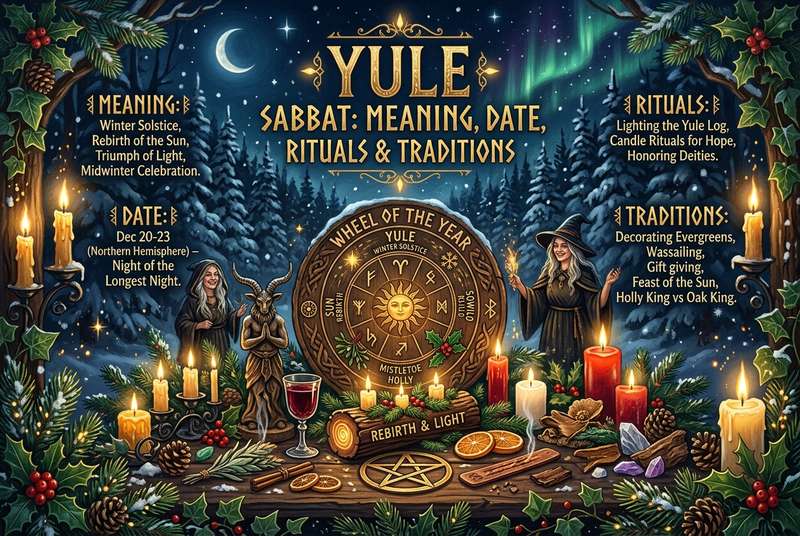
Yule Sabbat falls on the winter solstice, occurring between December 20-23 in the Northern Hemisphere. The exact date varies slightly each year, as the solstice is an astronomical event determined by Earth’s position relative to the Sun.
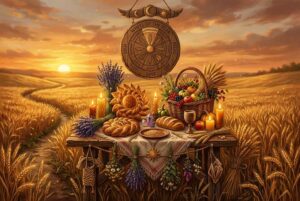
This timing is no accident. You’re celebrating at the precise moment when the Sun reaches its lowest point in the sky, creating the longest night of the year. Yet within this darkness lies the turning point—from this night forward, the days gradually lengthen, and light begins its slow return. This balance between darkness and the promise of light is the sacred heart of Yule rituals.
History & Origins of Yule Sabbat
The word “Yule” carries whispers of ancient Germanic and Norse traditions, possibly derived from “Jol” or “Geol,” terms used to describe the winter festival season. Long before modern witchcraft, your ancestors gathered during the darkest days to light fires, share feasts, and perform rituals to ensure the Sun’s return.
Archaeological evidence suggests that Neolithic peoples aligned sacred stones and monuments with the winter solstice, understanding its cosmic significance. Ancient Romans celebrated Saturnalia, honoring Saturn with revelry and gift-giving. Scandinavian cultures observed Yule as a multi-day festival of bonfires and communal gatherings.
When you celebrate the Yule Sabbat today, you’re tapping into thousands of years of human spiritual practice—a continuous thread of light-kindling that connects you to countless generations who have stood in winter’s darkness and affirmed their faith in the Sun’s return.
Spiritual Meaning & Symbolism of Yule Sabbat
At its core, the Yule Sabbat speaks to you of transformation, hope, and the cyclical nature of existence. Winter solstice witchcraft acknowledges that all things—seasons, emotions, life circumstances—move in circles rather than straight lines.
The Longest Night: This darkest moment symbolizes your own inner shadows—fears, doubts, and challenges. Yule invites you to face these shadows not with fear, but with the knowing that light is already being reborn.
The Return of Light: As the Sun is symbolically reborn at Yule, you too are invited into renewal. This isn’t about waiting passively; it’s about consciously participating in your own rebirth through ritual, intention, and spiritual work.
Divine Balance: Yule honors the eternal dance between light and darkness, masculine and feminine, action and rest. You’re reminded that both are necessary, both are sacred, and both contain seeds of the other.
Hope & Promise: In the depths of winter, when nature sleeps and the world seems dormant, Yule whispers to you: “This too shall pass. Light returns. Growth continues beneath the snow.”
Deities & Archetypes of Yule Sabbat
When you honor Yule, you’re inviting specific divine energies into your circle. Understanding these deities deepens your connection to the sabbat’s ancient wisdom.
The Sun God: Reborn at Yule in his infant form, the Sun God represents new potential, hope, and the return of vital life force. Some traditions call him the Oak King, who emerges victorious from his battle with the Holly King at the winter solstice.
The Mother Goddess: In some traditions, she is the Divine Mother who gives birth to the Sun God at Yule. She represents fertility, nurture, and the generative power hidden within darkness.
Brigid: The Celtic fire goddess awakens at Yule, her sacred flames symbolizing purification and the return of the Sun’s warmth.
The Green Man & Holly King: These figures embody the wild, primal forces of winter and the eternal cycle of seasonal change.
You might work with whichever deity resonates most deeply with your spiritual path, creating a personal connection that makes your Yule rituals more potent and meaningful.
Rituals for Yule Sabbat
Transform your Yule celebration with these concrete, powerful rituals that you can adapt to your unique practice:
- The Yule Log Burning: Gather a significant piece of wood (traditionally oak, birch, or ash). Carve symbols of your intentions for the returning light into the log. Light it in your fireplace or fire pit, and as it burns, visualize your hopes and dreams being carried on the flames toward manifestation. Some traditions save a piece to light again next Yule, creating a continuous thread of magic year to year.
- Solstice Vigil: Sit in darkness from sunset until midnight or dawn, honoring the longest night. Meditate, journal, or simply be present with the silence. This powerful ritual attunes you to the turning of the wheel and the moment of the Sun’s rebirth. Light a single candle at the moment of astronomical solstice if you can.
- Winter Solstice Witchcraft Cleansing: Create a bath infused with evergreens, bay leaves, and peppermint. As you soak, visualize the old year’s stagnant energy washing away, making space for new light to enter. This prepares your energy body for the Sun’s return and the new cycle ahead.
- Yule Wreath Blessing: Craft or bless an evergreen wreath using holly, ivy, mistletoe, and pinecones. Hang it on your door or altar with intention, speaking blessings of protection and light over your home. Each time you see it, let it remind you of nature’s promise.
- Sun Invocation Circle: Cast a circle at dawn on Yule morning. Call upon the Sun God in his infant form, singing, dancing, or chanting to welcome his return. This can be as simple or elaborate as you wish—the key is genuine intention and joyful energy.
- Gratitude & Release Ritual: Write down what you’re releasing from the past year on small pieces of paper. Safely burn them in a cauldron or fireplace, consciously letting go. Then write your intentions for the returning light and keep these in a special place through the new year.
- Candle Meditation for Rebirth: Light 13 candles (representing the 13 days of Yule in some traditions). Spend time with each candle, reflecting on different aspects of renewal—physically, emotionally, spiritually, and energetically. Extinguish them one by one, honoring each release.
Altar Setup for Yule Sabbat
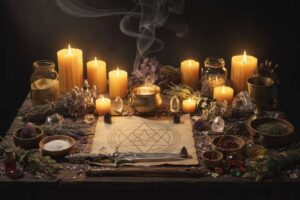
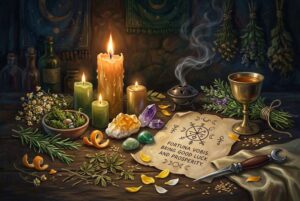
Your Yule altar is a sacred space where you concentrate the energies of the season. Consider including these elements:
Central Candle: A large white, gold, or red candle representing the infant Sun God. Surround it with smaller candles to amplify the light and warmth.
Evergreens: Holly, ivy, mistletoe, pine, and cedar bring the living energy of winter into your space and purify the air energetically.
Natural Elements: Pinecones, acorns, birch bark, and branches create an earthy foundation that grounds your altar in nature’s cycles.
Symbols of the Sun: A golden disk, sun wheels, or images of the Sun God represent the returning light you’re honoring.
Feast Items: Place bread, wine, cakes, nuts, or honey on your altar as offerings and for later consumption in celebration.
Crystals & Stones: Arrange them around your candles to amplify your intentions (see section below for specific recommendations).
As you arrange your altar, speak your intentions aloud. Let your hands move intuitively—your altar should feel alive with your personal energy and the energy of the season.
Herbs, Crystals & Colors for Yule Sabbat
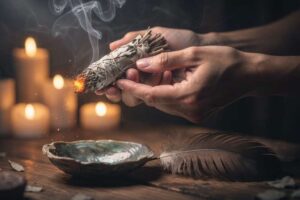
Protective & Purifying Herbs: Bay leaves, rosemary, juniper, frankincense, myrrh, cinnamon, and ginger all carry the warmth and protection of Yule. Burn them as incense or add to herbal teas to internalize their magic.
Crystals for Yule Energy:
- Citrine: Amplifies light, joy, and manifestation energy
- Gold Calcite: Connects you to solar energy and abundance
- Clear Quartz: A powerful amplifier of any intention you set
- Ruby or Garnet: Grounds you and strengthens your vital force
- Carnelian: Ignites creativity and courage for the returning light
Sacred Colors: Gold, silver, white, red, and green dominate Yule’s palette. Gold represents the infant Sun, white reflects the snow and purity, red symbolizes warmth and life force, and green honors the evergreens and nature’s enduring vitality even in winter.
Foods Traditional for Yule Sabbat
Eating seasonally and intentionally is a profound way to embody Yule’s magic. Traditional foods include:
- Yule Logs (Cake): The chocolate cake rolled and filled, mimicking the Yule Log ritual—delicious and symbolic.
- Spiced Cider: Warm, fragrant, and comforting—perfect for cold nights and ritual feasting.
- Nuts & Seeds: Almonds, walnuts, and sunflower seeds carry the promise of new life and growth.
- Honey & Mead: Sweet offerings that honor the return of the Sun’s warmth and abundance.
- Gingerbread: Spiced and warming, gingerbread carries the protective herbs of the season.
- Pomegranate: Its jewel-like seeds represent the returning light within darkness.
- Dried Fruits: Apples, pears, and plums honor summer’s bounty preserved for winter’s feast.
When you prepare and consume these foods with intention, you’re not simply nourishing your body—you’re literally taking the season’s energy into yourself.
Modern Ways to Celebrate Yule Sabbat
While honoring ancient traditions is beautiful, you can absolutely celebrate the Yule Sabbat in ways that fit your contemporary life:
Community Gatherings: Host a Yule dinner with friends and family. Share the meaning of the season, light candles together, and feast communally. You don’t need to explain every detail—simply gathering with intention is powerful magic.
Social Media Rituals: Share your Yule intentions or reflections online, creating a web of light-workers all honoring the season together. The collective energy of thousands observing the winter solstice witchcraft traditions amplifies the magic.
Donation & Service: Yule’s themes of light and hope translate beautifully into serving others. Donate to those in need, volunteer, or simply extend kindness—you’re actively embodying the return of light by bringing warmth to others’ lives.
Digital Altars: If space is limited, create a small Yule altar in a corner of a shelf or even photograph one to meditate on. Modern witchcraft honors intention over elaborate setup.
Journaling & Reflection: Use the Yule Sabbat as a time to journal about the year ending and your hopes for the year ahead. This quiet practice is just as valid and powerful as any ritual.
Nature Walks: Bundle up and walk in winter’s landscape. Notice the evergreens, the bare branches against the sky, the way frost glistens. You’re meditating with nature itself.
Personal Renewal Practices: Whether it’s starting a new exercise routine, beginning a meditation practice, or learning a new skill, align your personal growth with the Sun’s rebirth. You’re honoring the Wheel of the Year by actively stepping into renewal.
Closing Thoughts: Your Yule Sabbat Journey
The Yule Sabbat invites you into a sacred conversation with the turning of the wheel, the cycles of nature, and your own inner seasons of darkness and light. Whether you perform elaborate rituals or simply light a candle and speak your intentions, you’re participating in an ancient, powerful magic.
As you move through your Yule celebration, remember: you are the light being reborn. The longest night is not something happening to you—it’s an invitation to consciously align with the forces of transformation, hope, and renewal that move through all of existence.
May your Yule Sabbat be filled with warmth, wonder, and the deep knowing that light always returns.
FAQ
What date is Yule Sabbat celebrated in 2024?
Yule Sabbat is celebrated on the winter solstice, which falls between December 20-23 each year. The exact date varies slightly because the solstice is an astronomical event determined by Earth’s position relative to the Sun.
What are common Yule Sabbat rituals and traditions?
Yule traditions include lighting fires and candles to honor the return of the Sun, feasting with community members, and performing renewal rituals. Ancient practices like these connect modern witches to thousands of years of solstice celebrations across Germanic, Norse, and Roman cultures.
Where does the word Yule come from?
The word ‘Yule’ is derived from ancient Germanic and Norse terms like ‘Jol’ or ‘Geol,’ which describe the winter festival season. Archaeological evidence shows that Neolithic peoples understood the cosmic significance of the winter solstice and aligned sacred monuments with this pivotal astronomical event.
Why is the winter solstice spiritually significant?
The winter solstice represents the darkest night of the year, yet it marks the turning point when days begin to lengthen and light returns. This balance between darkness and the promise of renewal makes it a sacred threshold for aligning with cosmic forces of rebirth and transformation.
How did ancient cultures celebrate the winter solstice?
Ancient Romans celebrated Saturnalia with reverence for Saturn, gift-giving, and festivity, while Scandinavian cultures observed multi-day Yule festivals with bonfires and communal gatherings. These traditions reflect humanity’s universal recognition of the solstice’s spiritual power across millennia.