When you begin to awaken spiritually, the animal kingdom often reaches out to guide you. You might dream of a hawk circling overhead, notice butterflies following you through the park, or feel an inexplicable kinship with wolves. But what does it mean when an animal appears in your life? Is it a spirit animal, a totem animal, or a power animal—and does the distinction even matter?
The truth is, these three terms represent profoundly different spiritual relationships, each with its own purpose, permanence, and sacred role. Understanding the differences between spirit animals, totem animals, and power animals helps you honor the wisdom they bring and engage with them in a culturally respectful, spiritually grounded way.
The Spirit Animal: Your Temporary Guide Through Life’s Transitions
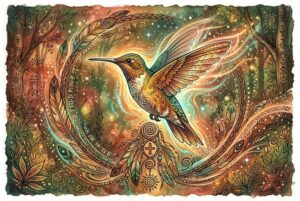
A spirit animal is a spiritual messenger that appears during pivotal moments in your life. Unlike a permanent companion, a spirit animal arrives when you need specific guidance, insight, or healing—and once its lesson is delivered, it may quietly step back into the unseen realms.
Spirit animals reflect your inner emotional landscape. If you’re navigating a period of grief, you might connect with the gentle energy of the deer. If you’re reclaiming your voice after years of silence, the roar of the lion may echo through your dreams. These guides are fluid, intuitive, and deeply personal.
How Spirit Animals Reveal Themselves
- Through vivid dreams or recurring visions during meditation
- In synchronistic encounters—seeing the same animal repeatedly in nature, art, or conversation
- Through a sudden, magnetic pull toward a particular creature
- In moments of emotional intensity, crisis, or spiritual awakening
Your spirit animal speaks the language of symbols and intuition. When the owl appears to you at midnight, it may be urging you to trust your inner knowing. When the butterfly lands on your hand during a moment of doubt, it whispers of transformation already underway.
The Totem Animal: Your Lifelong Spiritual Identity
A totem animal is not a fleeting visitor—it is woven into the fabric of your soul. Rooted deeply in Indigenous traditions, particularly among Native American, First Nations, and other tribal cultures, totem animals represent your core identity, ancestral lineage, and spiritual essence.
Unlike spirit animals that change with your journey, your totem animal is with you from birth. It reflects who you are at the deepest level—your strengths, your purpose, your connection to family and land. In some cultures, totem animals are inherited through clan or family lines, passed down like sacred names.
What a Totem Animal Represents
- Your lifelong spiritual essence and soul blueprint
- Connection to ancestral wisdom and cultural heritage
- The qualities you naturally embody—courage, loyalty, creativity, resilience
- A permanent bond that does not shift with circumstance
- Protection and guidance that spans your entire lifetime
If the wolf is your totem, you carry the wolf’s loyalty, intuition, and pack-minded wisdom in everything you do. If the bear walks with you, you embody grounding, introspection, and fierce protective energy. Your totem is not chosen—it is recognized, remembered, and honored.
Totem Animals in Indigenous Traditions
Among the peoples of the Pacific Northwest, totem poles tell the stories of families and clans through carved images of eagles, ravens, whales, and bears. Each figure is not decoration—it is living lineage, a record of alliances, migrations, and sacred teachings passed through generations.
To claim a totem animal without cultural connection or understanding can be a form of spiritual appropriation. If you feel drawn to this concept, approach it with humility. Ask yourself: am I honoring this tradition, or am I taking what is not mine?
The Power Animal: Your Intentional Spiritual Ally
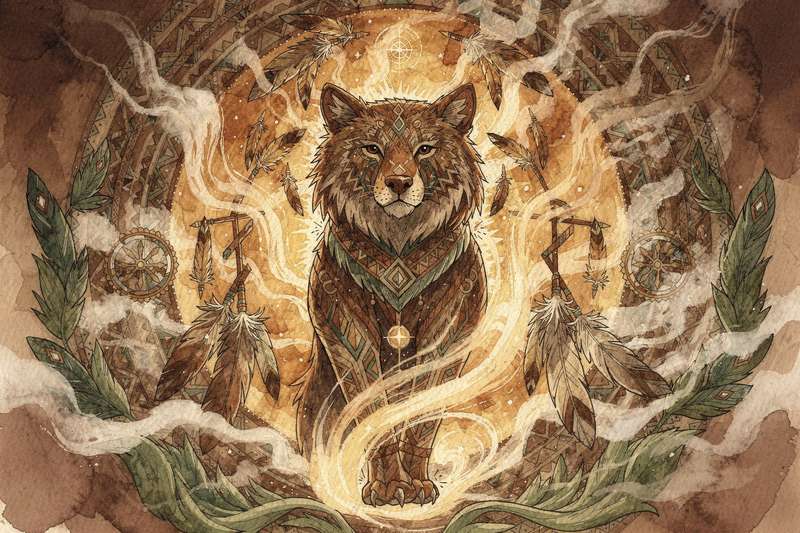
A power animal is a spiritual protector and source of strength, typically encountered through shamanic practice. Unlike spirit animals that appear spontaneously, power animals are sought intentionally—through drumming, meditation, shamanic journeying, or ritual work.
Power animals lend you their medicine—their specific gifts and abilities—when you need courage, clarity, healing, or protection. They are allies you call upon, not passive symbols. The relationship is active, reciprocal, and deeply empowering.
How Power Animals Support You
- You call on the tiger when you need fierce courage to face a challenge
- You journey with the hawk to gain perspective and see the bigger picture
- You invoke the snake when you’re ready to shed old patterns and be reborn
- You work with the bear to ground yourself and reclaim your inner strength
Power animals are not always with you—they step forward when called. They may appear during times of crisis, healing work, or spiritual practice. Shamanic practitioners often develop long-term relationships with one or more power animals, honoring them through offerings, meditation, and service.
Spirit Animal vs Totem Animal vs Power Animal: The Key Differences
| Aspect | Spirit Animal | Totem Animal | Power Animal |
|---|---|---|---|
| Purpose | Guides you through transitions and delivers timely messages | Reflects your lifelong soul identity and ancestral lineage | Provides strength, protection, and healing when called upon |
| Duration | Temporary—appears during specific life phases | Lifelong—present from birth to death | Intentional—appears when invoked or needed |
| Origin | Intuitive messages, dreams, synchronicities | Ancestral connection, cultural or soul lineage | Shamanic practice, ritual, meditation |
| Focus | Emotional and spiritual guidance | Identity, purpose, and core essence | Empowerment, healing, and protection |
| Interaction | Spontaneous encounters, symbolic signs | Deep inner recognition, lifelong resonance | Active invocation, journeying, reciprocal relationship |
Understanding these distinctions allows you to engage with each type of animal guide in a way that honors their unique role and respects the spiritual traditions from which they emerge.
How to Discover Which Animal Guide Is With You
Finding Your Spirit Animal
Pay attention to the animals that appear during emotionally charged moments. Keep a dream journal. Notice patterns—does the same creature show up in books, conversations, or nature walks? Meditate with the intention of meeting your guide. Ask: “What message do you bring me right now?”
Recognizing Your Totem Animal
Reflect on the animals you’ve felt connected to since childhood. Which creature feels like home? What animal’s traits mirror your deepest self? Consider your family stories, ancestral roots, or cultural background. If you have Indigenous heritage, explore whether your lineage holds teachings about totem animals.
Connecting With Your Power Animal
Set aside time for shamanic journeying or guided meditation. Use drumming, breathwork, or visualization to enter a trance state. Call out with intention: “I seek my power animal—show yourself to me.” When an animal appears, ask what medicine it brings. Honor the relationship through offerings, gratitude, and ethical action.
The Shadow Side: When Animal Guides Are Misused
Not all engagement with animal symbolism is sacred. The shadow side appears when these terms are trivialized—when “spirit animal” becomes slang for your favorite snack, or when someone claims a totem without understanding its cultural weight.
This carelessness erases the lived experiences of Indigenous peoples who have protected these teachings through colonization, forced assimilation, and cultural genocide. It turns sacred relationships into consumable aesthetics.
Before you claim an animal guide, ask yourself: Am I approaching this with reverence? Am I learning from authentic sources? Am I willing to honor the culture this wisdom comes from?
How to Honor Your Animal Guides With Integrity
If an animal guide has entered your life, honor it through action, not just words. Here’s how:
- Learn its ecology: Study the animal’s behavior, habitat, and role in the ecosystem
- Support conservation: Donate to wildlife organizations, volunteer, or spread awareness
- Create sacred space: Set up an altar with images, feathers, or symbols of your guide
- Practice reciprocity: Offer prayers, gratitude, or symbolic gifts like seeds or water
- Respect cultural boundaries: If a tradition is not yours, honor it from a distance and uplift Indigenous voices
Spirit Animal, Totem Animal, Power Animal: Which One Do You Need?
You don’t need to choose. Your spiritual journey may include all three—a spirit animal guiding you through heartbreak, a totem animal anchoring your sense of self, and a power animal you call upon when facing a difficult decision.
What matters is that you approach each relationship with clarity, respect, and an open heart. These animal guides are not symbols to collect—they are living presences, teachers, and allies who walk beside you in the unseen realms.
FAQ: Spirit Animal vs Totem Animal vs Power Animal
Can my spirit animal change over time?
Yes. Spirit animals are fluid and often shift as you move through different life phases. The bear may guide you during a period of introspection, while the hummingbird appears when you’re learning joy and presence.
Is my totem animal the same as my zodiac sign?
Not necessarily. Your totem animal reflects your soul essence and may align with your personality, but it is not determined by astrology. Some people resonate with both; others find them completely different.
How do I know if an animal is my power animal or just a symbol I like?
A true power animal relationship is reciprocal and intentional. If you only admire the animal aesthetically, it’s a preference. If you feel energized, protected, or transformed in its presence—especially during meditation or ritual—it’s likely your power animal.
Can I have more than one totem or power animal?
Yes. While most people have one primary totem animal, you may work with multiple power animals depending on what you need. Spirit animals, by nature, are numerous and ever-changing.