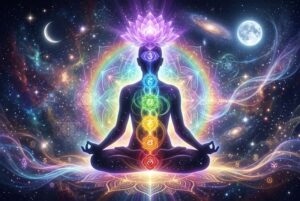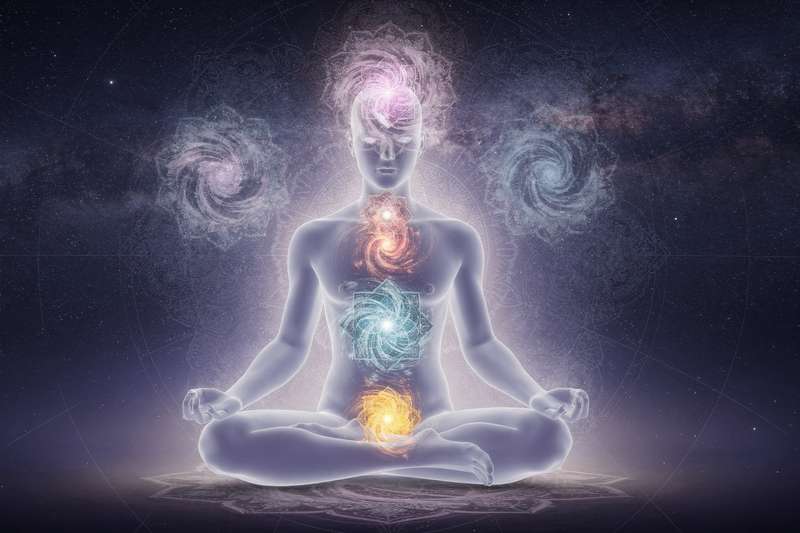
The seven chakras are more than just energy centers — they are gateways to self-understanding, spiritual awakening, and holistic health. Rooted in ancient Indian spiritual traditions, these chakra energy vortices have been studied, chanted, and meditated upon for thousands of years. Each chakra carries a unique Sanskrit name that reveals its purpose, qualities, and the transformative power it holds.
Understanding the Sanskrit chakra names opens a doorway into the rich symbolism and spiritual depth of the chakra system. These names are not arbitrary labels — they are keys to unlocking profound healing and balance in your physical, emotional, and spiritual body. Whether you’re new to chakra work or deepening your practice, learning the Sanskrit names and their meanings will help you connect more authentically with your own energy.
In this guide, you’ll discover the seven Sanskrit chakra names, their symbolism, colors, elements, locations, and practical ways to balance each one. We’ll also explore how crystals, mantras, yoga, and sound healing can support your journey toward inner harmony.
The Seven Sanskrit Chakra Names and Their Meanings
Each of the seven main chakras has a Sanskrit name that reflects its essence, function, and spiritual significance. Let’s explore each one from root to crown.
1. Muladhara — Root Chakra
Sanskrit Meaning: “Mula” means root; “Adhara” means support or foundation.
Location: Base of the spine, near the perineum.
Color: Red.
Element: Earth.
Bija Mantra: LAM.
Governs: Survival, stability, grounding, security, and connection to the physical world.
The Muladhara is your energetic foundation. When balanced, you feel safe, grounded, and present. When blocked, you may experience fear, instability, or disconnection from your body.
2. Svadhisthana — Sacral Chakra
Sanskrit Meaning: “Sva” means self; “Adhisthana” means dwelling place — “one’s own abode.”
Location: Lower abdomen, just below the navel.
Color: Orange.
Element: Water.
Bija Mantra: VAM.
Governs: Creativity, emotions, sexuality, pleasure, and flow.
Svadhisthana is the seat of your creative and emotional life. It governs how you relate to others, express yourself, and experience joy. Imbalance here can manifest as guilt, emotional numbness, or creative blocks.
3. Manipura — Solar Plexus Chakra
Sanskrit Meaning: “Mani” means gem; “Pura” means city — “city of jewels.”
Location: Solar plexus, above the navel and below the sternum.
Color: Yellow.
Element: Fire.
Bija Mantra: RAM.
Governs: Personal power, willpower, self-esteem, confidence, and transformation.
Manipura is your inner fire, the place where you claim your power and transform raw energy into action. When balanced, you feel confident, motivated, and clear in your purpose. When blocked, you may struggle with low self-worth, control issues, or lack of direction.
4. Anahata — Heart Chakra
Sanskrit Meaning: “Unhurt,” “unstruck,” or “unbeaten.”
Location: Center of the chest, near the heart.
Color: Green (sometimes pink).
Element: Air.
Bija Mantra: YAM.
Governs: Love, compassion, forgiveness, connection, and emotional healing.
Anahata is the bridge between the lower, earthly chakras and the upper, spiritual ones. It is the seat of unconditional love — both for yourself and others. When open, you experience deep compassion, inner peace, and the ability to give and receive love freely.
5. Vishuddha — Throat Chakra
Sanskrit Meaning: “Purification” or “especially pure.”
Location: Throat, at the base of the neck.
Color: Blue (bright or turquoise).
Element: Ether (space).
Bija Mantra: HAM.
Governs: Communication, self-expression, truth, and authenticity.
Vishuddha is the chakra of voice and truth. It governs not only how you speak, but also how honestly you express who you are. When balanced, you speak with clarity and confidence. When blocked, you may feel silenced, misunderstood, or unable to express your needs.
6. Ajna — Third Eye Chakra
Sanskrit Meaning: “To perceive,” “command,” or “authority.”
Location: Between the eyebrows, slightly above the bridge of the nose.
Color: Indigo or deep purple.
Element: Light.
Bija Mantra: OM (or AUM).
Governs: Intuition, insight, wisdom, imagination, and inner vision.
Ajna is your seat of spiritual sight and inner knowing. It is the gateway to higher consciousness, psychic awareness, and deep understanding beyond the physical senses. When open, you trust your intuition and see clearly through illusion.
7. Sahasrara — Crown Chakra
Sanskrit Meaning: “Thousand-petaled” (referring to the thousand-petaled lotus).
Location: Crown of the head.
Color: Violet or white.
Element: Pure consciousness (beyond the elements).
Bija Mantra: Silence, or OM.
Governs: Spiritual connection, enlightenment, unity, and transcendence.
Sahasrara is your connection to the divine, the infinite, and the universal consciousness. It is where individuality dissolves into oneness. When balanced, you experience deep peace, spiritual clarity, and a sense of purpose that transcends the ego.
Why Sanskrit Names Matter in Chakra Healing
You might wonder — why use Sanskrit names at all? Why not just stick to “Root Chakra” or “Heart Chakra”?
The answer lies in the power of sound, intention, and ancient lineage. Sanskrit is considered a sacred language, designed to resonate with the vibration of the cosmos. Each Sanskrit name carries a frequency that aligns with the energy of that chakra. When you chant, meditate on, or simply speak these names with reverence, you are invoking their healing qualities.
Using the Sanskrit chakra names also honors the traditions from which this wisdom emerged. It connects you to centuries of spiritual seekers, yogis, and healers who have walked this path before you.
How to Work with the Sanskrit Chakra Names
Here are some simple but powerful ways to integrate the Sanskrit chakra names into your spiritual practice:
- Chant the names: Speak each name aloud, slowly and intentionally. Feel the vibration in your body as you say “Muladhara,” “Svadhisthana,” “Manipura,” and so on.
- Meditate on their meanings: Sit quietly and reflect on what each name symbolizes. How does “city of jewels” (Manipura) relate to your inner power? What does “unstruck” (Anahata) reveal about your heart’s resilience?
- Use them in affirmations: “I honor my Muladhara and feel grounded in my body.” “I open my Anahata and give and receive love freely.”
- Visualize the chakra while repeating its name: Picture each chakra’s location, color, and symbol as you silently or audibly repeat its Sanskrit name.
- Journal with the names: Write about what each chakra name means to you personally. Explore how its qualities show up (or don’t) in your life.
Signs Your Chakras Are Blocked or Imbalanced
Each chakra has physical, emotional, and spiritual signs of imbalance. Here’s a quick overview:
- Muladhara (Root): Fear, anxiety, financial instability, lower back pain, fatigue.
- Svadhisthana (Sacral): Guilt, emotional numbness, low libido, reproductive issues, creative blocks.
- Manipura (Solar Plexus): Low self-esteem, control issues, digestive problems, lack of motivation.
- Anahata (Heart): Difficulty trusting, bitterness, isolation, heart or lung issues, inability to forgive.
- Vishuddha (Throat): Fear of speaking up, chronic sore throat, feeling misunderstood, thyroid issues.
- Ajna (Third Eye): Confusion, lack of clarity, headaches, poor memory, disconnection from intuition.
- Sahasrara (Crown): Spiritual disconnection, depression, lack of purpose, feeling lost or aimless.
How to Balance Your Chakras Using Sanskrit Wisdom
Balancing your chakras is a holistic process. Here are practices you can use for each one:
Muladhara (Root Chakra)
- Yoga poses: Mountain Pose, Warrior I, Child’s Pose.
- Affirmations: “I am safe. I am grounded. I trust the earth to support me.”
- Crystals: Red Jasper, Hematite, Black Tourmaline.
- Essential oils: Patchouli, Cedarwood.
- Foods: Root vegetables (carrots, beets, potatoes), protein-rich foods.
- Mantra: Chant “LAM” while visualizing a glowing red sphere at the base of your spine.
Svadhisthana (Sacral Chakra)
- Yoga poses: Goddess Pose, Pigeon Pose, Hip Circles.
- Affirmations: “I honor my emotions. I create with joy. I am open to pleasure.”
- Crystals: Carnelian, Orange Calcite, Moonstone.
- Essential oils: Sweet Orange, Ylang Ylang.
- Foods: Oranges, mangoes, nuts, seeds.
- Mantra: Chant “VAM” while visualizing an orange glow in your lower belly.
Manipura (Solar Plexus Chakra)
- Yoga poses: Boat Pose, Warrior III, Plank.
- Affirmations: “I am powerful. I am confident. I trust myself.”
- Crystals: Citrine, Yellow Jasper, Tiger’s Eye.
- Essential oils: Lemon, Ginger.
- Foods: Yellow foods (bananas, corn, yellow peppers), whole grains.
- Mantra: Chant “RAM” while visualizing a golden sun at your solar plexus.
Anahata (Heart Chakra)
- Yoga poses: Camel Pose, Bridge Pose, Heart Openers.
- Affirmations: “I give and receive love freely. I forgive myself and others.”
- Crystals: Rose Quartz, Green Aventurine, Jade.
- Essential oils: Rose, Jasmine.
- Foods: Leafy greens, green tea, heart-healthy fats.
- Mantra: Chant “YAM” while visualizing a glowing green light in your chest.
Vishuddha (Throat Chakra)
- Yoga poses: Shoulder Stand, Fish Pose, Lion’s Breath.
- Affirmations: “I speak my truth. I express myself clearly and confidently.”
- Crystals: Blue Lace Agate, Turquoise, Aquamarine.
- Essential oils: Eucalyptus, Peppermint.
- Foods: Blueberries, herbal teas, water.
- Mantra: Chant “HAM” while visualizing a bright blue light at your throat.
Ajna (Third Eye Chakra)
- Yoga poses: Child’s Pose, Forward Fold, Alternate Nostril Breathing.
- Affirmations: “I trust my intuition. I see clearly. I am open to divine guidance.”
- Crystals: Amethyst, Lapis Lazuli, Labradorite.
- Essential oils: Frankincense, Clary Sage.
- Foods: Purple foods (grapes, eggplant), dark chocolate.
- Mantra: Chant “OM” while visualizing an indigo light between your brows.
Sahasrara (Crown Chakra)
- Yoga poses: Headstand, Savasana, Meditation.
- Affirmations: “I am connected to the divine. I trust the universe. I am one with all.”
- Crystals: Clear Quartz, Selenite, Amethyst.
- Essential oils: Lavender, Sandalwood.
- Foods: Fasting, light foods, herbal teas.
- Mantra: Chant “OM” or sit in silence while visualizing a violet or white light at the crown of your head.
Bija Mantras and Sound Healing for the Chakras
Each chakra has a bija (seed) mantra — a single-syllable sound that resonates with its energy. Chanting these mantras during meditation or yoga can help activate, clear, and balance the chakras.
Here’s a quick summary:
- Muladhara: LAM
- Svadhisthana: VAM
- Manipura: RAM
- Anahata: YAM
- Vishuddha: HAM
- Ajna: OM
- Sahasrara: Silence or OM
To practice bija mantra chanting, sit comfortably, close your eyes, and focus on the chakra you wish to balance. Inhale deeply, then chant the mantra on the exhale, allowing the vibration to resonate in the chakra’s location. Repeat 9–12 times or for several minutes.
Healing Crystals for the Sanskrit Chakras
Crystals are powerful allies in chakra healing. Each chakra resonates with specific gemstones:
- Root (Muladhara): Red Jasper, Hematite, Black Tourmaline
- Sacral (Svadhisthana): Carnelian, Orange Calcite, Moonstone
- Solar Plexus (Manipura): Citrine, Yellow Jasper, Tiger’s Eye
- Heart (Anahata): Rose Quartz, Green Aventurine, Jade
- Throat (Vishuddha): Blue Lace Agate, Turquoise, Aquamarine
- Third Eye (Ajna): Amethyst, Lapis Lazuli, Labradorite
- Crown (Sahasrara): Clear Quartz, Selenite, Amethyst
Place crystals on the corresponding chakra during meditation, carry them with you, or sleep with them under your pillow to support balance and healing.
Final Thoughts: Honor the Ancient Names, Awaken Your Energy
The Sanskrit chakra names are more than labels — they are invocations, prayers, and keys to unlocking your inner power. By learning and honoring these names, you connect with a lineage of spiritual wisdom that spans thousands of years. You align your energy with the vibration of the cosmos and open yourself to profound healing and transformation.
Whether you chant the bija mantras, meditate on the meanings, or simply speak the names with reverence, you are honoring the sacred architecture of your energetic body. You are remembering that you are not just flesh and bone — you are light, sound, and infinite possibility.
May you walk the path of the chakras with curiosity, courage, and compassion. May you find balance in your Muladhara, creativity in your Svadhisthana, power in your Manipura, love in your Anahata, truth in your Vishuddha, wisdom in your Ajna, and oneness in your Sahasrara.
The journey inward is the journey home. And the Sanskrit chakra names are your map.
Frequently Asked Questions About Sanskrit Chakra Names
What do the seven Sanskrit chakra names mean?
Each Sanskrit chakra name reflects its function and spiritual symbolism. Muladhara means “root support,” Svadhisthana means “one’s own abode,” Manipura means “city of jewels,” Anahata means “unstruck,” Vishuddha means “especially pure,” Ajna means “to perceive,” and Sahasrara means “thousand-petaled.”
Why are chakra names in Sanskrit important?
Sanskrit is a sacred language with vibrational qualities that resonate with the energy of the chakras. Using the Sanskrit names honors ancient spiritual traditions and helps invoke the healing frequencies of each energy center during meditation and chanting.
How do I pronounce the Sanskrit chakra names correctly?
Approximate pronunciations: Muladhara (moo-lah-DAH-rah), Svadhisthana (svahd-hish-TAH-nah), Manipura (mah-nee-POO-rah), Anahata (ah-nah-HAH-tah), Vishuddha (vish-oo-DAH), Ajna (AHJ-nah), and Sahasrara (sah-hahs-RAH-rah). Listen to guided audio or work with a teacher for precise pronunciation.
Can I balance my chakras without knowing the Sanskrit names?
Yes, you can absolutely work with chakras using their English names and still experience healing. However, learning the Sanskrit names can deepen your practice, enhance your connection to the tradition, and activate the vibrational power of the sounds.