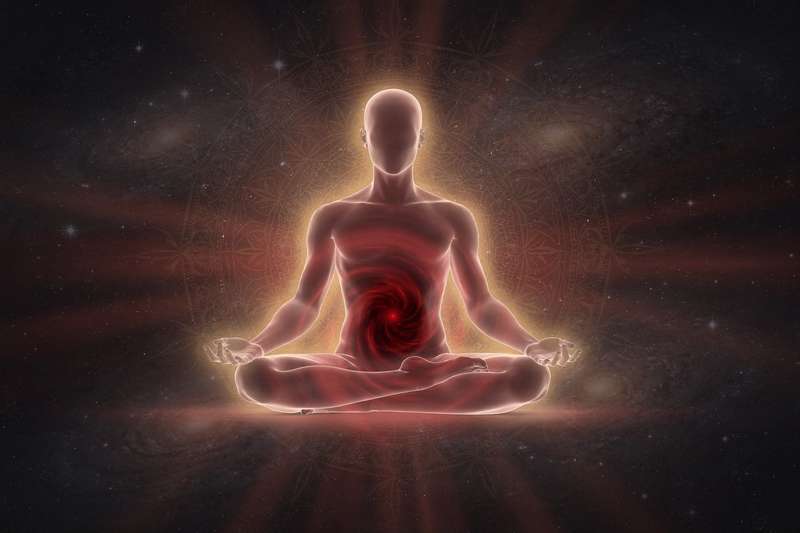
Your Root Chakra, known in Sanskrit as Muladhara, is the energetic foundation upon which your entire being rests. Located at the base of your spine, this first chakra governs your sense of safety, stability, and connection to the physical world. When your Root Chakra is balanced, you feel grounded, secure, and capable of facing life’s challenges with steady confidence. But when it’s blocked or overactive, you may experience anxiety, fear, restlessness, or a disconnection from your body and surroundings.
Root Chakra yoga poses are powerful tools for restoring balance to this vital energy center. Through grounding asanas, breathwork, and mindful movement, you can resolve energetic blockages and reclaim your inner stability. In this guide, you’ll discover what the Root Chakra is, how to recognize imbalances, and the most effective yoga poses and healing practices to bring Muladhara back into harmony.
What Is the Root Chakra?
The Root Chakra is the first of the seven main chakras in your body’s subtle energy system. It sits at the base of your spine, in the area of your pelvic floor and perineum. This chakra is your energetic anchor, connecting you to the Earth element and providing a sense of rootedness in your physical existence.
Think of your Root Chakra as the roots of a tree. Just as roots draw nourishment from the soil and hold the tree steady against winds, your Muladhara grounds you in the present moment and supports your survival instincts. It is here that your primal energy — known as Kundalini Shakti — lies dormant, waiting to be awakened and guided upward through your other chakras.
When your Root Chakra is open and balanced, you feel at home in your body. You trust that your basic needs will be met, and you experience a deep sense of safety and belonging. You can move through life with resilience, knowing you are supported by something greater than yourself.
Sanskrit Name and Symbolism
The word Muladhara comes from two Sanskrit terms: mula, meaning “root,” and adhara, meaning “support” or “base.” Together, they describe this chakra’s role as the supportive foundation of your entire energy system.
Muladhara is symbolized by a deep red lotus with four petals. The red color represents vitality, passion, and physical life force. The four petals correspond to the four psychological states associated with this chakra: kama (pleasure), artha (prosperity), dharma (purpose), and moksha (liberation). At the center of the lotus is a downward-pointing triangle, symbolizing the grounding energy that roots you to the Earth.
This chakra is also associated with the elephant, a sacred animal that embodies strength, stability, and unwavering presence. Just as an elephant moves with slow, deliberate power, your Root Chakra invites you to cultivate patience and steadiness in your life.
Color, Element, and Location
The Root Chakra’s color is a rich, vibrant red. This color resonates with the energy of life itself — blood, warmth, and the primal force that drives survival. When you visualize red light glowing at the base of your spine, you activate the energy of Muladhara and invite grounding and vitality into your being.
The element of the Root Chakra is Earth. Earth energy is solid, stable, and nurturing. It is the ground beneath your feet, the soil that grows your food, and the physical body that houses your spirit. Connecting to the Earth element through Root Chakra yoga poses helps you feel anchored, present, and secure.
Physically, the Root Chakra is located at the base of the spine, in the area of the pelvic floor and perineum. It governs your legs, feet, bones, large intestine, and adrenal glands. This area is your body’s literal foundation, and when it is strong and balanced, your entire energy system can flourish.
What the Root Chakra Governs
Your Root Chakra governs the most fundamental aspects of your existence. It is responsible for your sense of safety, security, and survival. When you feel grounded in your life — financially stable, physically healthy, and emotionally supported — your Root Chakra is functioning well.
This chakra also governs your relationship with your physical body. It influences your vitality, your ability to meet your basic needs, and your connection to the material world. It asks the essential question: Do I have what I need to survive and thrive?
On a deeper level, the Root Chakra is tied to your sense of belonging. It reflects your connection to your family, your community, and the Earth itself. When Muladhara is balanced, you know that you are part of something larger, and you trust that you are held and supported by the web of life.
Signs Your Root Chakra Is Blocked or Imbalanced
When your Root Chakra is blocked or underactive, you may experience a range of physical, emotional, and mental symptoms. These signs indicate that your foundation is shaky and that your energy is not flowing freely through this vital center.
Physical Symptoms of a Blocked Root Chakra
- Chronic fatigue or low physical energy
- Lower back pain, hip discomfort, or leg weakness
- Digestive issues, especially constipation
- Cold feet or poor circulation in your lower extremities
- Weakened immune system and frequent illness
- Reproductive health challenges
Emotional and Mental Symptoms of a Blocked Root Chakra
- Persistent anxiety or feelings of insecurity
- Fear of scarcity, even when your needs are met
- Feeling ungrounded, spacey, or disconnected from your body
- Difficulty being present in the moment
- Lack of motivation or direction in life
- Trouble setting healthy boundaries
- Feeling like you don’t belong or aren’t safe in the world
If these symptoms resonate with you, it’s time to bring your attention to healing and balancing your Root Chakra through yoga, meditation, and grounding practices.
Signs of an Overactive Root Chakra
While a blocked Root Chakra leaves you feeling ungrounded and insecure, an overactive Root Chakra can make you feel rigid, stuck, or overly attached to material things. You may resist change, cling to possessions, or feel an excessive need for control over your environment.
Signs of Excess Root Chakra Energy
- Stubbornness and resistance to new experiences
- Hoarding or excessive materialism
- Greed or an obsession with financial security
- Rigid thinking and inflexibility
- Heaviness, sluggishness, or feeling “stuck” in life
- Overeating or using food for emotional comfort
- Aggression, anger, or controlling behavior
Balancing an overactive Root Chakra requires releasing attachment and cultivating trust. You can work with releasing yoga poses, breathwork, and practices that encourage surrender and flow.
How to Balance the Root Chakra with Yoga Poses
Root Chakra yoga poses are designed to ground your energy, strengthen your lower body, and reconnect you with the Earth element. These asanas open your hips, activate your legs and feet, and bring awareness to the base of your spine — the home of Muladhara.
1. Mountain Pose (Tadasana)
Mountain Pose is the foundation of all standing postures. Stand with your feet hip-width apart and press all four corners of each foot firmly into the Earth. Feel the ground supporting you as you lengthen your spine and lift through the crown of your head. This pose cultivates stability, presence, and a deep connection to your roots.
2. Warrior I (Virabhadrasana I)
Warrior I is a powerful grounding pose that builds strength in your legs and opens your hips. Step one foot back, bend your front knee, and root your back foot firmly into the mat. Reach your arms overhead and feel the dual anchoring of both feet. This pose embodies the courage and resilience of the Root Chakra.
3. Warrior II (Virabhadrasana II)
Warrior II invites you to settle into your hips and embrace a wide, stable stance. With your arms extended in opposite directions and your gaze steady, you embody the grounded presence of someone who is both engaged with life and rooted in themselves.
4. Tree Pose (Vrksasana)
Tree Pose is a beautiful metaphor for the Root Chakra. Just as a tree’s height depends on the depth of its roots, your ability to balance depends on your connection to the Earth. Stand on one leg, place your other foot on your inner calf or thigh, and feel your standing leg rooting down as you rise tall.
5. Garland Pose (Malasana)
Garland Pose is a deep squat that brings the base of your spine closest to the Earth. This primal posture opens your hips, stretches your groin, and stimulates the pelvic floor. Bring your hands to your heart center and press your elbows into your inner knees to deepen the stretch.
6. Child’s Pose (Balasana)
Child’s Pose is a gesture of surrender and trust. Kneel on the mat, sit your hips back toward your heels, and rest your forehead on the ground. Feel the Earth holding you, supporting you, and reminding you that you are safe.
7. Standing Forward Fold (Uttanasana)
Forward folds draw your energy inward and ground you through your feet. Stand with your feet hip-width apart, hinge at your hips, and let your torso hang toward the floor. Press your feet firmly into the Earth and let go of tension in your upper body.
8. Bridge Pose (Setu Bandhasana)
Bridge Pose gently activates your lower back and pelvic floor while grounding through your feet. Lie on your back, bend your knees, and press your feet into the mat as you lift your hips. This pose strengthens the area around your Root Chakra and invites energy to flow freely.
9. Corpse Pose (Savasana)
End your practice with Savasana, the ultimate grounding pose. Lie flat on your back and allow your body to become completely heavy and supported by the Earth. Visualize a warm red light at the base of your spine, spreading through your legs and feet, anchoring you in safety and peace.
Other Practices to Balance the Root Chakra
Affirmations for the Root Chakra
Affirmations help rewire your subconscious mind and strengthen your sense of safety and security. Repeat these affirmations daily, placing a hand on your low belly or the base of your spine as you say them:
- “I am safe.”
- “I am supported by the Earth.”
- “I have everything I need.”
- “I belong here.”
- “I am grounded, steady, and strong.”
- “I trust the process of life.”
- “I am at home in my body.”
Meditation and Breathwork
Meditation is a powerful way to connect with your Root Chakra. Sit comfortably on the floor or on a cushion and close your eyes. Visualize a glowing red light at the base of your spine, expanding with each breath. Practice deep, slow breathing — inhaling for four counts, holding for four, exhaling for four, and holding again for four. This box breathing technique calms your nervous system and activates your parasympathetic response, creating the internal conditions for safety and grounding.
Essential Oils for the Root Chakra
Certain essential oils resonate with the Earth element and support Root Chakra healing. Use these oils in a diffuser, in a bath, or applied to the soles of your feet:
- Patchouli
- Cedarwood
- Vetiver
- Sandalwood
- Myrrh
- Frankincense
Foods for the Root Chakra
Nourish your Root Chakra with red and root vegetables that grow close to or beneath the Earth:
- Beets
- Carrots
- Potatoes
- Radishes
- Red apples
- Pomegranates
- Strawberries
- Protein-rich foods like beans, lentils, and nuts
Eating mindfully and with gratitude also supports your Root Chakra by honoring the nourishment your body receives.
Healing Crystals for the Root Chakra
Crystals carry vibrational energy that can help balance and activate your chakras. For the Root Chakra, use grounding stones with red, black, or brown hues. Place them on your body during meditation, carry them in your pocket, or place them in your home to create a grounded environment.
Best Crystals for Muladhara
- Red Jasper: A stone of endurance, stability, and vitality
- Black Tourmaline: Protective and grounding, excellent for clearing fear
- Hematite: Anchors your energy and strengthens your connection to the Earth
- Smoky Quartz: Releases negative energy and promotes emotional calmness
- Bloodstone: Enhances courage, resilience, and physical vitality
- Garnet: Revitalizes energy and inspires confidence
Hold your chosen crystal during meditation, place it at the base of your spine during Savasana, or sleep with it under your pillow to deepen your connection to your Root Chakra.
Bija Mantra and Sound Healing
The bija mantra for the Root Chakra is LAM (pronounced “lum”). This sacred sound vibrates at the frequency of Muladhara and helps clear blockages and awaken dormant energy. Chant LAM aloud or silently during meditation, feeling the vibration resonate at the base of your spine.
You can also listen to music tuned to 396 Hz, the frequency associated with the Root Chakra. Drumming, especially deep bass drums, also resonates with the Earth element and helps ground your energy. Allow the rhythm of the drum to guide your breath and anchor you in the present moment.
Final Thoughts
Your Root Chakra is your energetic foundation, the place where your sense of safety, stability, and belonging begins. When Muladhara is balanced, you move through life with confidence, trusting that you are supported and that your needs will be met. But when it’s blocked or overactive, you may feel ungrounded, anxious, or disconnected from your body and the world around you.
Root Chakra yoga poses offer a powerful pathway to healing and balance. Through grounding asanas, breathwork, affirmations, and mindful connection to the Earth, you can restore harmony to Muladhara and reclaim your inner strength. Remember that this work is not about perfection — it’s about presence, patience, and the willingness to root yourself deeply so you can grow freely.
Take off your shoes. Stand on the Earth. Feel the ground beneath your feet. And know that you are held, you are safe, and you are home.
FAQ: Root Chakra Yoga Poses
What are the best yoga poses to activate the Root Chakra?
The most effective Root Chakra yoga poses are grounding, standing, and hip-opening asanas like Mountain Pose, Warrior I and II, Tree Pose, Garland Pose, and Child’s Pose. These poses strengthen your lower body, open your hips, and connect you to the Earth element.
How do I know if my Root Chakra is blocked?
Signs of a blocked Root Chakra include chronic anxiety, feeling ungrounded or disconnected, lower back pain, digestive issues, financial insecurity, and a lack of motivation. Emotionally, you may struggle with trust, safety, or a sense of belonging in the world.
Can crystals really help balance the Root Chakra?
Crystals like Red Jasper, Black Tourmaline, and Hematite carry grounding vibrations that support Root Chakra healing. While they are not a replacement for yoga and inner work, many people find them helpful as energetic tools to support balance and grounding.
How often should I practice Root Chakra yoga poses?
Consistency is more important than duration. Practicing Root Chakra yoga poses for 15–30 minutes, 3–4 times per week, can create noticeable shifts in your sense of grounding and stability. Listen to your body and practice with intention rather than force.