When your Anahata—the heart chakra—is blocked, life feels heavier than it should. You might notice that love, whether romantic or platonic, feels just out of reach. You push people away, or you cling too tightly. You forgive others but never yourself. You long for connection but fear it just as deeply.
These are not character flaws. They are energetic signatures of a blocked heart chakra, and they show up in your body, your emotions, and your relationships with unmistakable clarity.
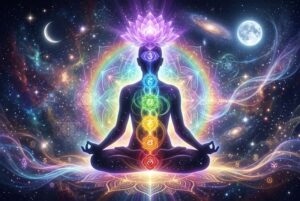
Your heart chakra sits at the very center of your seven-chakra system. It bridges the lower three chakras—rooted in survival, desire, and personal power—with the upper three, which govern communication, intuition, and spiritual connection. When Anahata is open and balanced, love flows through you effortlessly. You give without depleting yourself, and you receive without suspicion. But when this chakra is blocked, that flow stops, and you feel it everywhere.
Let’s explore the signs, the symbolism, and the healing practices that can reopen your heart to the world.
What Is the Heart Chakra (Anahata)?
The heart chakra, known in Sanskrit as Anahata, translates to “unstruck” or “unhurt.” This name carries profound meaning: it refers to a sound that exists without being struck, a vibration that arises from stillness. In other words, the heart chakra is the seat of unconditional love—love that exists simply because it does, not because it has been earned or provoked.
Anahata is the fourth of the seven primary chakras. It sits at the center of your chest, slightly to the left of your sternum, near your physical heart. Its energy radiates outward in all directions, connecting you to yourself, to others, and to the infinite web of life around you.
This chakra governs your ability to love and be loved. It influences how you relate to yourself, how you forgive, how you trust, and how you show compassion. When your heart chakra is balanced, you move through the world with an open heart. You trust that love is safe, that people are worthy, and that you belong.
When it is blocked, that trust collapses. You build walls. You hold grudges. You disconnect from your own emotions and from the people who care about you. You may even convince yourself that isolation is safer than intimacy.
Sanskrit Name, Symbolism & Meaning of Anahata
The word Anahata comes from the Sanskrit root meaning “sound produced without touching two parts.” This points to the chakra’s association with the element of air and the invisible, intangible nature of love and connection. Love is not something you can hold in your hand, yet you feel it deeply.
The symbol of the heart chakra is a twelve-petaled lotus. Each petal represents a quality of the heart: peace, bliss, love, harmony, empathy, clarity, purity, unity, compassion, kindness, forgiveness, and understanding. At the center of the lotus is a six-pointed star, formed by two intersecting triangles. One triangle points upward, symbolizing the spiritual realms; the other points downward, symbolizing the physical world. Together, they represent the union of opposites—spirit and matter, masculine and feminine, giving and receiving.
This symbol reminds you that the heart is where transformation happens. It is where your inner world meets the outer world, where thought becomes action, and where separation dissolves into connection.
Color, Element & Location of the Heart Chakra
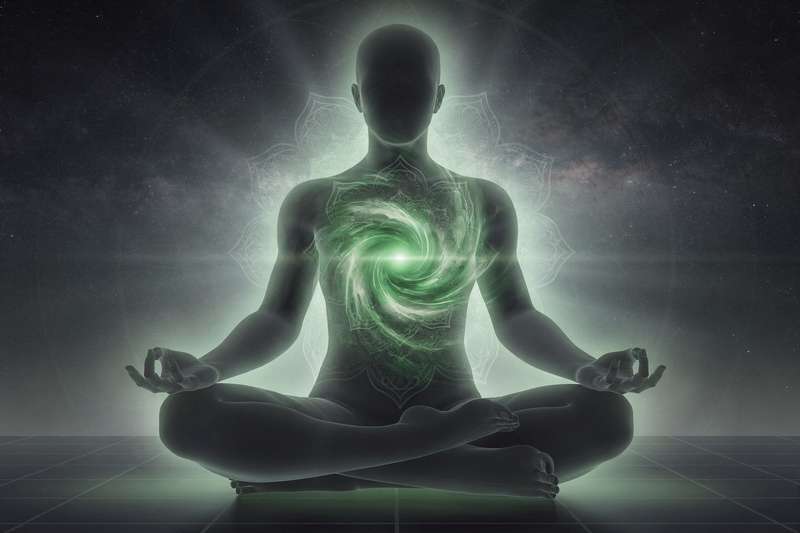
The primary color of the heart chakra is green, the color of growth, renewal, and healing. Green is the color of nature, of life itself. It represents balance and harmony, which are the hallmarks of a healthy Anahata. When you surround yourself with green—whether through nature, clothing, or crystals—you support the heart’s natural rhythm.
The secondary color associated with this chakra is pink, which represents tenderness, nurturing, and unconditional love. Pink energy is softer, gentler, and often appears when you are working to heal old wounds or practice self-love.
The element of the heart chakra is air. Air is invisible, yet essential. It is always moving, always flowing. When you breathe deeply, you activate the heart chakra. When you hold your breath or breathe shallowly, you constrict it. Air teaches you that love, like breath, must flow freely to sustain life.
Physically, the heart chakra is located at the center of your chest, behind the sternum, and slightly to the left where your physical heart resides. It extends outward in all directions, forming an energetic field that others can sense when they are near you. This is why people sometimes say they can “feel” someone’s warmth or coldness—they are sensing the state of that person’s heart chakra.
What the Heart Chakra Governs
Your heart chakra governs the entire spectrum of love and connection. This includes romantic love, but it also includes the love you have for your friends, your family, your pets, and most importantly, yourself. Anahata is the center of self-love, and when this chakra is blocked, you struggle to treat yourself with kindness.
Compassion and empathy also flow from the heart chakra. When Anahata is open, you can hold space for another person’s pain without taking it on as your own. You can forgive others, not because they deserve it, but because holding onto resentment harms you more than them. You can trust that vulnerability is not weakness, but strength.
The heart chakra also governs your emotional awareness. It helps you distinguish between emotions that serve you and emotions that drain you. It allows you to feel deeply without being overwhelmed. When this chakra is balanced, you can sit with grief, joy, anger, and peace without needing to suppress or exaggerate any of them.
On a physical level, the heart chakra influences your cardiovascular system, your lungs, your immune system, and the muscles of your chest, shoulders, and upper back. When your heart chakra is blocked, you may experience physical symptoms in these areas.
11 Blocked Heart Chakra Signs: How to Know If Anahata Is Closed
A blocked heart chakra does not always announce itself with a single dramatic event. More often, it reveals itself through patterns—recurring emotional reactions, chronic physical tensions, and relationships that feel stuck or painful. Here are the most common signs:
1. You Feel Lonely, Even When You’re Not Alone
Loneliness is one of the clearest signs of a blocked heart chakra. You might be surrounded by people who care about you, yet you feel isolated. You struggle to connect on a deeper level, and you wonder why no one truly understands you. This is not because people are uninterested—it is because your heart chakra is not open enough to let them in.
2. You Hold Grudges and Struggle to Forgive
Forgiveness is not about condoning someone else’s behavior. It is about freeing yourself from the weight of resentment. When your heart chakra is blocked, forgiveness feels impossible. You replay the hurt over and over. You hold onto anger for months, even years, and it hardens into a wall around your heart.
3. You Have Trust Issues and Fear Betrayal
If you have been hurt in the past, your heart chakra may have closed to protect you. But over time, that protection becomes a prison. You doubt people’s intentions. You expect betrayal. You test others to see if they will stay, and when they leave, you tell yourself you were right all along. This pattern keeps you safe, but it also keeps you alone.
4. You Feel Trapped in Toxic or Loveless Relationships
A blocked heart chakra can make it difficult to leave relationships that no longer serve you. You stay because you fear the pain of leaving more than the pain of staying. You convince yourself that things will improve, or that you do not deserve better. This is a sign that you have disconnected from your own worth.
5. You Are Hard on Yourself and Lack Self-Love
The heart chakra governs not only the love you give to others, but the love you give to yourself. When Anahata is blocked, you criticize yourself harshly. You ignore your own needs. You prioritize everyone else’s well-being over your own, and you burn out as a result.
6. You Feel Emotionally Numb or Disconnected
Some people with a blocked heart chakra do not feel much of anything. Emotions feel distant, muted, or inaccessible. You go through the motions of life, but nothing feels vibrant. This numbness is a defense mechanism, a way of protecting yourself from feeling too much. But it also prevents you from feeling joy, love, and connection.
7. You Are Unable to Let Go of Grief or Loss
Grief is a natural response to loss, and it deserves space. But when grief becomes chronic, when you cannot move through it, it is often because your heart chakra is blocked. You cling to the past because letting go feels like a betrayal. You wear your pain like armor, and it becomes part of your identity.
8. You Experience Chest Tightness or Shallow Breathing
Your body reflects the state of your energy. When your heart chakra is blocked, you may feel tightness in your chest, as if your heart is constricted. You may breathe shallowly, never quite filling your lungs. You may even feel a heaviness in your upper back and shoulders, as if you are carrying the weight of the world.
9. You Lack Empathy or Feel Overly Defensive
When your heart chakra is blocked, you may become defensive in conversations. You take things personally. You struggle to see other people’s perspectives. You feel attacked when someone offers feedback, and you shut down instead of opening up.
10. You Have a Weak Immune System
The heart chakra is connected to the thymus gland, which plays a central role in your immune system. When Anahata is blocked, your body’s ability to fight illness weakens. You may find yourself getting sick more often, or struggling to recover from minor infections.
11. You Fear Intimacy and Push People Away
If you have ever sabotaged a relationship just as it was deepening, or pushed someone away the moment they got too close, your heart chakra may be blocked. Intimacy requires vulnerability, and vulnerability feels dangerous when your heart has been hurt before. So you protect yourself by keeping people at arm’s length, even when you desperately want connection.
Signs of an Overactive Heart Chakra
While a blocked heart chakra shuts down the flow of love, an overactive heart chakra floods that flow without boundaries. If your Anahata is overactive, you give too much. You love too hard. You lose yourself in relationships, constantly seeking validation from others to fill the emptiness inside.
You may exhibit people-pleasing behavior, saying yes when you mean no, sacrificing your own needs to keep others happy. You might also struggle with codependency, feeling incomplete without a partner or constantly needing reassurance. An overactive heart chakra can lead to emotional burnout, because you pour yourself out without ever refilling your own cup.
Other signs include difficulty setting boundaries, feeling responsible for other people’s emotions, and an inability to receive love. You give and give, but when someone tries to give back, you deflect or minimize it. You do not believe you are worthy of receiving.
An overactive heart chakra is not the opposite of a blocked one—it is simply another form of imbalance. Both stem from a lack of self-love. Both require the same healing: learning to love yourself first, so that love can flow through you naturally, without force or depletion.
How to Balance the Heart Chakra: Proven Healing Practices
Balancing the heart chakra requires consistent, gentle practice. You cannot force your heart open. You must coax it, nurture it, and give it permission to soften. Here are the most effective practices:
Gratitude Journaling
Gratitude is one of the most powerful tools for opening the heart chakra. Every day, write down three things you are genuinely grateful for. They do not have to be monumental. A warm cup of tea, a kind word from a friend, or a moment of stillness can all be sources of gratitude. This practice trains your mind to notice the good, which opens your heart to more of it.
Meditation with Heart-Opening Crystals
Hold a piece of rose quartz, green aventurine, or jade in your hand while you meditate. Visualize green or pink light radiating from your chest, expanding outward with each breath. As you breathe, silently repeat an affirmation like, “I am open to love. I am safe in love. I am worthy of love.”
Heart-Opening Yoga Poses
Certain yoga poses physically open the chest and stimulate the heart chakra. Try the cobra pose, camel pose, bridge pose, or upward-facing dog. As you move into each pose, focus on expanding your chest and breathing deeply into your heart center.
Affirmations for Anahata
Affirmations rewire the subconscious patterns that keep your heart chakra closed. Repeat these affirmations daily, either out loud or silently:
I am worthy of the purest love.nI am fully open to giving and receiving love.nIt is safe for me to love and be loved.nI deeply and completely love and accept myself.nI choose to see myself and others with compassion.
Breathwork
Sit comfortably and place one hand on your heart. Breathe in slowly through your nose for a count of four, feeling your chest expand. Hold the breath for a count of four, then exhale slowly for a count of six. Repeat for five to ten minutes. This practice activates the heart chakra and calms the nervous system.
Spend Time in Nature
The color green is everywhere in nature, and spending time outdoors naturally supports the heart chakra. Walk barefoot on grass, sit under a tree, or tend to a garden. Let the earth remind you that growth is always possible, even after winter.
Practice Forgiveness
Forgiveness is not about letting someone off the hook. It is about freeing yourself. Write a letter to someone who hurt you—you do not have to send it. Acknowledge the pain, and then choose to release it. You can also write a forgiveness letter to yourself, for all the times you were not kind to your own heart.
Aromatherapy with Essential Oils
Use essential oils known to open the heart chakra. Diffuse rose, lavender, bergamot, or ylang ylang in your space. You can also apply diluted rose oil to your wrists or chest. The scent alone can shift your energy and help you feel more open and compassionate.
Nourish Yourself with Green Foods
Eat green, leafy vegetables like spinach, kale, broccoli, and celery. Drink green tea or herbal teas infused with basil, thyme, or cilantro. These foods nourish the heart chakra from the inside out.
Healing Crystals for the Heart Chakra
Crystals carry specific vibrations that can help clear and balance your heart chakra. Here are the most powerful ones:
- Rose Quartz: The master healer of the heart. It opens you to unconditional love, self-compassion, and emotional healing. Carry it with you, sleep with it under your pillow, or meditate with it on your chest.
- Green Aventurine: Known as the stone of opportunity and abundance, it brings peace, harmony, and emotional balance. It helps you release old patterns and invite new, healthy relationships.
- Rhodonite: A stone of forgiveness and emotional release. It helps you process grief, let go of resentment, and rebuild trust.
- Jade: A stone of purity and wisdom. It attracts love, prosperity, and success while encouraging you to live authentically.
- Green Calcite: Clears stagnant energy and releases painful emotions. It brings clarity and helps you see situations with compassion rather than judgment.
To use these crystals, hold them during meditation, wear them as jewelry, or place them on your chest while lying down. Cleanse them regularly under running water or with sage smoke to keep their energy clear.
Bija Mantra & Sound Healing for Anahata
The bija mantra of the heart chakra is YAM (pronounced “yahm”). Chanting this sound creates a vibration that resonates directly with the energy of Anahata. Sit in a quiet space, place your hand on your heart, and chant “YAM” slowly and intentionally. Feel the vibration in your chest. Repeat for at least five to ten minutes.
You can also use sound healing tools like singing bowls tuned to the note F, or listen to binaural beats designed for the heart chakra (typically 639 Hz). Sound healing bypasses the conscious mind and works directly on the energetic body, making it a powerful tool for clearing blockages.
nn
Final Thoughts
Your heart chakra is not just an energy center. It is the bridge between who you have been and who you are becoming. When Anahata is blocked, you feel disconnected, guarded, and alone. When it is open, you feel alive, compassionate, and deeply connected to the world around you.
Healing a blocked heart chakra is not about fixing yourself. It is about remembering that you were never broken. It is about softening the armor you built to survive, so that you can finally start to live. It is about forgiving yourself, trusting yourself, and loving yourself exactly as you are.
You do not need to wait for someone else to open your heart. You can do it yourself, one breath, one affirmation, one act of kindness at a time. Your heart has been waiting for you to come home.
FAQ: Blocked Heart Chakra Signs
Can a blocked heart chakra cause physical pain in my chest?
Yes. When the heart chakra is blocked, you may experience tightness, heaviness, or even sharp pain in the chest area. This is your body’s way of signaling that emotional energy is stuck. Always consult a doctor to rule out physical causes, but if medical tests are clear, chakra healing can help.
How long does it take to unblock the heart chakra?
There is no fixed timeline. A recent, surface-level blockage might shift in days or weeks with consistent practice. Deeper blockages rooted in childhood trauma or long-held beliefs can take months. What matters most is daily, compassionate effort.
Can I have a blocked and overactive heart chakra at the same time?
Not exactly, but you can alternate between the two. You might shut down in some relationships and pour yourself out in others. Both patterns signal the same root issue: a lack of self-love and healthy boundaries.
What happens when my heart chakra is fully open?
When your heart chakra is open and balanced, love flows effortlessly. You give without depleting yourself. You receive without suspicion. You forgive easily, trust wisely, and move through the world with an open heart. You feel connected to yourself, to others, and to life itself.
nn