The relationship check in tarot spread is one of the most honest tools you can bring to any important connection in your life. Unlike predictive spreads that ask where things are headed, this six-card reading asks something more grounded: where are we right now? It draws on relationship tarot techniques to surface what each person is currently contributing, the energy you are co-creating together, and where this connection has genuine room to grow.
You do not need a crisis to reach for it. Many people use this spread monthly as a way of staying consciously connected — with themselves and with the relationship. It works for romantic partners, close friends, family members, or any person whose bond genuinely matters to you. Think of it as a compass reading: not to tell you where to go, but to show you clearly where you already stand — so you can decide, with full awareness, what you want to do next.
When to Use This Relationship Tarot Spread
This spread is genuinely flexible — valuable in both calm and complicated seasons of a relationship. These are the moments when it tends to offer the deepest clarity:
- Monthly check-ins — Use it as a regular practice to keep both people’s needs visible and the connection conscious.
- Before an important conversation — Pulling cards before discussing something tender can help you approach the talk with greater empathy and far less reactivity.
- During life transitions — Moving in together, entering long distance, returning after time apart — any structural shift in a relationship benefits from honest reflection.
- When something feels off — If you sense distance or tension but cannot quite name it, this spread can surface what has gone unspoken between you.
- To mark a milestone — Anniversary readings or recognizing a meaningful period of growth can be acts of genuine gratitude. This spread works beautifully as a celebration too.
The questions that work best here are open and genuinely curious. Asking ‘What does this relationship need right now?’ or ‘Where are we both standing at this moment?’ will produce a richer reading than ‘Is this going to work out?’ Bring real curiosity, and the cards have far more room to tell you something true.
How to Lay Out the Relationship Check In Tarot Spread
You will need a standard 78-card tarot deck and a quiet space where you will not be interrupted. Before you begin, take a few slow breaths and hold the relationship — or the person you are reading about — gently in your awareness. Let your focus settle on the connection itself, not only on the outcome you are hoping for.
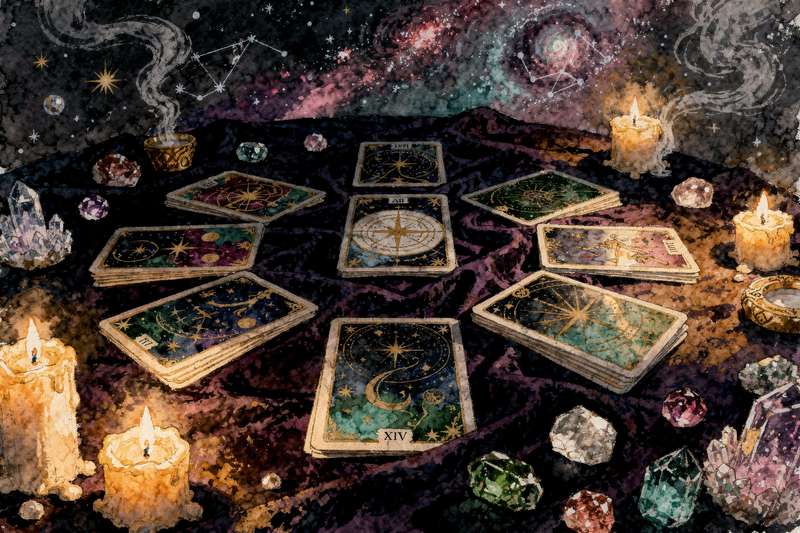
Shuffle your deck while focusing on the relationship. When you feel ready, draw six cards in order and place them as follows:
- Card 1 — The Foundation (center, at the base)
- Card 2 — What You Bring (left side)
- Card 3 — What They Bring (right side)
- Card 4 — The Dynamic Between You (center, middle)
- Card 5 — What This Relationship Needs (upper left)
- Card 6 — The Growth Edge (upper right)
You can also arrange the cards in a simple two-row layout if you prefer something more linear. What matters far more than precise placement is the intention you carry into each draw.
Position-by-Position Breakdown
Position 1: The Foundation
This card describes the current base of the relationship — the shared values, unspoken agreements, and emotional ground that both of you are standing on right now. The core question it answers is: What is this relationship built on at this moment?
A stable, warm card here — the Four of Wands, the Ace of Cups, the Ten of Pentacles — signals that something genuine and solid exists beneath the surface, even when daily friction is present. A more challenging card — the Five of Pentacles, the Three of Swords — is not a reason for alarm. It is information: perhaps accumulated tension, unexamined patterns, or unspoken grief has quietly become the ground you are both standing on without fully realizing it.
Read this position with curiosity rather than dread. The Foundation is not a verdict on whether the relationship is worthy of your investment; it is a description of the current ground beneath your feet. You cannot tend what you cannot clearly see, and naming what is actually present is always the starting point for real change.
Position 2: What You Bring
This card reflects your current contribution to the relationship — the energy, habits, emotional patterns, and gifts you are actively offering to the dynamic right now. It answers: What am I contributing at this moment?
Read this position honestly. It reflects what you are actually offering, which may differ from what you intend to give or believe you are giving. A Queen of Swords here might indicate you are bringing clear perception and truth-telling — a genuine strength, though one that can occasionally feel sharp or emotionally cool to a sensitive partner. A Four of Cups might suggest you have turned inward and are contributing a quiet unavailability, even if that was never your conscious intention.
This position is not about assigning blame. It is an invitation to own your part in the dynamic fully and without defensiveness — both the real strengths you bring and the areas that still have room to develop. The more honestly you sit with this card, the more the rest of the spread opens up and becomes genuinely useful.
Position 3: What They Bring
Mirroring position 2, this card shows the other person’s current contribution — their energy, emotional patterns, gifts, and challenges in the relationship at this moment. It asks: What is the other person contributing right now?
Approach this card with as much compassion as curiosity. What you see here is your perception of their energy, filtered through your own awareness and the symbolic language of tarot — not a definitive psychological profile of your partner or friend. A Knight of Cups might indicate they are bringing emotional warmth and genuine romantic attention. A Seven of Swords could point to defensiveness or a tendency to retreat rather than stay present through difficult moments.
Pay attention to what they might be offering without fully knowing it — their unconscious gifts as well as their less conscious patterns. And notice honestly whether there are parts of their contribution you have been overlooking, minimizing, or simply taking for granted over time. This card often holds a quiet surprise.
Position 4: The Dynamic Between You
This is often the most revealing card in the entire spread. It represents the energy created when your individual contributions meet — the relationship itself as a living force, beyond either of you separately. The question it answers: What energy exists between us right now?
A Two of Pentacles here might suggest the relationship is locked in a constant juggling act — both people managing shifting demands without ever fully landing in stillness together. The Lovers card points to a deep, conscious bond and the ongoing choice to remain in this connection. The Ten of Swords in this position might indicate a dynamic that has quietly exhausted itself and is asking for honest acknowledgment rather than more effort to maintain it.
Notice whether the energy this card describes is something you both consciously shaped — or whether it has developed its own momentum, something neither person intended but both have quietly allowed to solidify. Seeing this dynamic clearly is itself an act of care for the relationship.
Position 5: What This Relationship Needs
This card points to the collective need of the relationship itself — not only what you personally want, but what the connection as a whole is calling for right now. The question: What does this relationship need most at this moment?
Read this card with real openness. Sometimes it confirms what you already sense — that the relationship needs more quality time, more honest conversation, or more breathing room. Other times it surfaces something unexpected: the need for genuine play and lightness when both people have been carrying things with great seriousness, or the need for a clear shared commitment when things have felt indefinitely provisional.
Pay attention to whether what the card points to is something within your reach to offer. And be honest with yourself about any resistance you feel toward it. That resistance is often the most valuable piece of information in the entire reading.
Position 6: The Growth Edge
The final card shows where this relationship is being invited to evolve — the developmental opportunity available to both of you right now, if you are willing to meet it with honesty and care. It answers: Where is this connection ready to grow?
Growth edges are rarely comfortable by nature, but they point toward something genuinely possible. The Star as a growth edge might invite both people toward greater vulnerability and trust after a long period of carefully managing things. The Hierophant might suggest that building shared rituals, structures, or deeper commitments could anchor and deepen what already exists between you.
This card is never a demand. It is a direction — a quiet arrow pointing toward what becomes available when both people show up with real awareness and genuine willingness to tend the connection rather than simply maintain it.
Reading the Relationship Cards Together
Once you have read each position individually, step back and look at all six cards as a single picture. Cards 2, 3, and 4 form a natural triangle: what you bring, what they bring, and what you co-create together. Ask yourself whether these energies complement each other or generate friction — and then notice how that friction or harmony shows up in the Dynamic card at the center of your reading.
Cards 1 and 6 trace an arc: from the relationship’s current ground to its growth edge. Card 5 — what the relationship needs — often acts as the bridge between them. It points to the missing ingredient that could help the connection move from where it currently stands toward where it is being called. Consider whether the growth edge feels like a natural extension of the foundation, or whether it is asking for something that would significantly shift what the relationship currently rests on.
Finally, pay attention to the spread’s suit distribution. A reading heavy in Cups speaks to emotional richness and deep feeling; Swords point to decisions, mental tension, or unresolved conflict; Pentacles indicate practical or material dynamics are shaping the connection; Wands carry active passion and shared momentum. The dominant suit often names the primary layer of the relationship asking for your attention right now.
Sample Relationship Tarot Reading
Question: ‘What does my relationship need me to understand right now?’
Cards drawn: Foundation — Ace of Cups | What You Bring — Queen of Pentacles | What They Bring — Knight of Wands | Dynamic — The Lovers | What This Relationship Needs — Four of Cups | Growth Edge — Ten of Cups
The Ace of Cups as the Foundation confirms that this relationship is rooted in genuine, open-hearted feeling — real emotional potential lives here. The Queen of Pentacles shows you bringing steadiness and practical nurturing; you are likely the one quietly tending the daily needs of this bond. Your partner’s Knight of Wands brings passion and spontaneity — and also a natural restlessness that can make consistent emotional presence a challenge.
Together you generate The Lovers — a deep resonance and a conscious choosing of each other. But The Lovers always carries a quiet question: are both people fully and freely choosing this, again and again? The Four of Cups as the relationship’s current need is the most pointed card in this reading. It suggests both people may be so focused on what feels absent that neither is fully receiving what is already, genuinely, present. The Ten of Cups as the growth edge says emotional fulfillment is not far away — but it asks both of you to turn your gaze toward what you already have rather than what is still missing.
Common Mistakes to Avoid with This Spread
- Reading to confirm a story you have already decided. If you approach the ‘What They Bring’ card looking only for evidence that your partner is the problem, the reading will reflect your bias more than the full picture. Enter with genuine openness.
- Treating difficult cards as final verdicts. A challenging card in any position is information, not a judgment. The Five of Swords in the Dynamic position describes an energy worth addressing — not proof that the relationship is beyond repair.
- Skipping the synthesis step. Reading six cards in isolation misses the whole point of a spread. Always look at how the positions speak to each other before drawing conclusions.
- Using the spread to psychoanalyze your partner without their involvement. This reading is most honest and ethical when used for your own self-reflection. Resist building a case about someone else’s inner world based on cards they were not part of drawing.
- Pulling this spread repeatedly during a difficult period. Relationship tarot is a reflective tool, not a real-time oracle. Give each reading space to breathe — and give yourself room to sit with what the cards have already shown — before drawing again.
Final Thoughts
The relationship check in tarot spread is not a tool for finding fault. It is an invitation to stay honest, present, and genuinely curious about one of the most complex and rewarding dimensions of being human. Regular reflection keeps connections from becoming something you simply maintain out of habit. Each time you sit with these six cards, you are choosing to tend the relationship with real attention — and that choice, made again and again over time, is what actually builds depth that lasts.
Frequently Asked Questions
Can I use the relationship check in tarot spread for non-romantic relationships?
Yes — this spread works equally well for close friendships, family bonds, and meaningful working relationships. Simply hold the relevant person in mind when reading positions 3 and 5. The dynamic it illuminates — what each person contributes and what you co-create together — applies to any significant connection in your life.
How often should I pull a relationship tarot spread?
Monthly is the rhythm that works best for most people, giving readings time to breathe and the relationship space to shift before you reassess. If you are moving through a specific challenge, pulling every few weeks is reasonable — but avoid daily draws, which tend to generate anxiety rather than genuine clarity.
What does it mean if I draw a Major Arcana card in the Dynamic position?
A Major Arcana card in the Dynamic position suggests the energy between you is shaped by a significant, archetypal force — something beyond individual habits or circumstances. Cards like The Lovers point to a soul-level connection, while The Tower might indicate an unavoidable reckoning with the truth of where things currently stand between you.
Can I do this spread solo and read for both people at once?
Yes — this is exactly how solo relationship tarot readings work. You are reading your perception of both energies, which is still deeply valuable. Approach the ‘What They Bring’ position with compassion and humility, knowing it reflects your current understanding of their contribution rather than an objective truth about them.