The Inner Child Tarot Spread offers a structured conversation with the most vulnerable part of yourself—the younger you who still lives within, carrying old joys and unhealed wounds. This six-card layout creates space for recognition, understanding, and gentle reconnection with the child you once were. When patterns repeat, emotional reactions feel disproportionate, or you notice yourself protecting feelings you can’t quite name, this spread helps you listen to what your younger self has been trying to say all along.
Unlike predictive spreads focused on external events, this layout turns inward. It’s designed for witnessing rather than fixing, for compassion rather than strategy. The cards become a bridge between your adult awareness and the part of you that never stopped needing acknowledgment, safety, and love.
When to Use the Inner Child Healing Spread
Turn to this spread when emotional reactions feel bigger than present circumstances warrant—when a small criticism devastates you, when you can’t accept compliments, or when certain situations trigger unexplained anxiety. These moments signal your inner child speaking through your adult life, asking for attention you may not know how to give.
This spread works beautifully after therapy breakthroughs, during periods of self-reflection, or when you’re ready to understand why certain patterns keep repeating. Use it when you recognize perfectionism, people-pleasing, emotional shutdown, or difficulty with play and rest—all signs that your younger self needs tending. It’s particularly powerful during significant life transitions when old wounds surface alongside new challenges.
The best time for this reading is when you feel emotionally grounded enough to meet difficult truths with kindness. Choose a moment when you have privacy, time, and no immediate demands. Your inner child won’t speak when you’re rushed or distracted—she needs to know you’re truly listening.
How to Lay Out the Inner Child Tarot Spread
Create physical safety before you begin. Find a quiet, private space where you won’t be interrupted. Soft lighting helps—natural light or a single candle. Keep tissues within reach and wrap yourself in something comforting. Turn off your phone. These aren’t empty gestures; your nervous system needs to feel secure before your inner child will reveal herself.
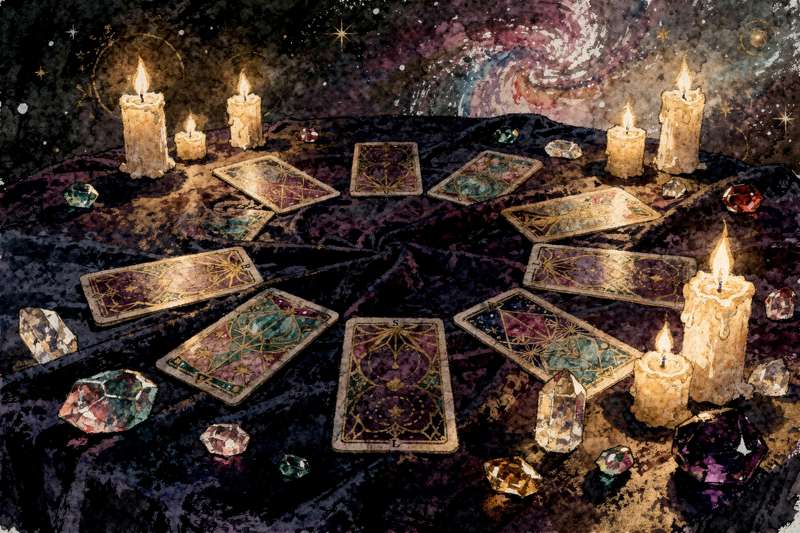
Shuffle while holding the question: “What does my inner child need me to know?” When ready, lay out six cards in this pattern: Card 1 (top left), Card 2 (bottom left), Card 3 (center top), Card 4 (top right), Card 5 (bottom right), Card 6 (center bottom). The left column represents your inner child, the right column represents your adult self, and the center cards connect them.
Read the positions in order—left column first (your child’s voice), then right column (your adult response), then the center cards (the wound and the healing path). Let yourself feel whatever arises. Tears, anger, numbness—all are valid responses and valuable information.
Position-by-Position Breakdown
Position 1: Who Your Inner Child Is Right Now
This card reveals the current state of your inner child, not who she was decades ago, but how she exists within you today. Is she hiding behind walls you built for protection? Playing quietly in a corner of your psyche? Crying in the dark while you push forward with adult responsibilities? This position shows how your younger self is living inside you at this very moment.
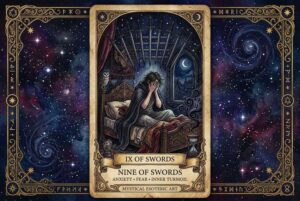
Heavy cards here—the Ten of Swords, Five of Pentacles, or Nine of Swords—suggest exhaustion, abandonment, or fear. Your inner child has been carrying burdens alone. Lighter cards—the Sun, the Star, or Pages—indicate resilience, hope, or readiness to connect. Even difficult cards bring good news: awareness is the first step toward change. If the Four of Cups appears, she’s emotionally shut down, having stopped asking for what she needs after too many disappointments.
Position 2: What She Needs You to Know
This position holds the most important message of the entire spread. Whatever card appears here represents what your younger self has been trying to communicate through your reactions, your patterns, your triggers, your dreams, and your unexplained emotional responses. She’s been sending this message repeatedly—now you’re finally creating space to hear it.
The Star might whisper, “I still have hope; please don’t give up on me.” The Five of Cups could be saying, “Something precious was lost and I never got to grieve it.” An Ace of Cups often means, “I need love—simple, unconditional, without performance or achievement.” The Hermit might ask, “I need quiet, solitude, time to heal without pressure.” Trust your immediate emotional response to this card—your body knows what your inner child means before your mind can explain it.
Position 3: The Wound Between You
At some point, you disconnected from your inner child. Something happened—a trauma, a repeated message, a moment of overwhelming emotion—that made it unsafe to stay connected to your childlike self. Perhaps you learned that feelings were inconvenient, that needs were burdensome, or that only achievement earned love. This card names the moment or pattern that created separation.
The Tower often points to sudden trauma or upheaval. The Devil can indicate environments where control, addiction, or abuse severed the connection. Five cards (conflict, loss, struggle) frequently appear here, showing the specific flavor of pain that taught you to abandon your younger self. Court cards might represent people whose actions or words created the wound. This isn’t about blame—it’s about understanding what made disconnection feel necessary for survival.
Position 4: How Your Adult Self Responds
This position holds a mirror to your current relationship with your inner child. How do you treat the vulnerable, needy, playful parts of yourself? Do you ignore them, hoping they’ll stay quiet? Overprotect them by avoiding all risks? Resent them for having needs? Try to fix them quickly so you can move on? This card reveals patterns you may not have consciously recognized.
The Eight of Swords suggests you keep your inner child trapped in old stories. The Emperor might show excessive control—managing emotions rather than feeling them. The Two of Swords indicates avoidance, looking away from pain. The Six of Pentacles could reveal conditional self-love: “I’ll care for you only when you’ve earned it.” These patterns aren’t failures; they’re protective strategies that once helped you cope. Now they’re outdated, and this awareness opens the door to change.
Position 5: What Your Adult Self Can Offer
This card brings relief after potentially difficult revelations. You’re not the same person who experienced the original wound. You have resources, understanding, boundaries, and resilience now that your younger self didn’t have access to then. This position shows what you can bring to the healing relationship—your strengths, your wisdom, your capacity to provide what was missing.
The Empress offers nurturing, physical care, the ability to create safety. The Queen of Cups brings emotional intelligence and the capacity to hold complex feelings. The Chariot shows determination to move forward despite difficulty. Major Arcana cards often appear here, indicating significant inner resources. Ace cards suggest new beginnings—new ways of relating to yourself. This is your healing power, already present within you, waiting to be directed toward the part of yourself that needs it most.
Position 6: The First Step Toward Reunion
Healing doesn’t require grand gestures. This card suggests one small, concrete action you can take this week to begin rebuilding connection with your inner child. It’s not about perfection or overnight transformation—it’s about showing up, proving through action that you’re willing to listen and respond differently now.
The Empress might suggest cooking yourself a nourishing meal, tending your body with care. An Ace of Wands could mean creative play—coloring, dancing, making something without worrying about the result. The Six of Cups often indicates revisiting something from childhood that brought authentic joy. The Fool might encourage trying something new without pressure to excel. The Four of Swords suggests rest—giving yourself permission to stop producing and simply be. Follow this guidance literally; your inner child responds to action, not intention alone.
Reading the Cards Together
Once you’ve examined each position, step back and see the spread as a complete story. The left column (positions 1 and 2) gives voice to your inner child—how she is and what she needs. The right column (positions 4 and 5) shows your adult self—current patterns and available resources. The center cards (positions 3 and 6) tell the story of separation and reunion—what broke the connection and how to begin mending it.
Look for themes across multiple cards. If cups dominate, emotional needs are central. Repeated swords suggest mental patterns—criticism, overthinking, harsh self-talk. Pentacles often point to physical safety, resources, or the body. Wands connect to creativity, passion, and authenticity. Notice which suits are missing entirely; these might be areas where your inner child was denied expression.
Major Arcana cards carry extra weight in this spread—they signal significant themes or turning points. Multiple Major Arcana suggest this work touches core identity issues, not surface patterns. Trust the emotional resonance of the reading more than any memorized card meanings. Your inner child speaks through feeling, not logic.
Sample Reading Example
Imagine pulling these cards: Position 1 (inner child’s state) shows the Four of Cups—she’s shut down emotionally, no longer expecting good things. Position 2 (her message) reveals the Ace of Cups—despite shutdown, she still longs for simple, unconditional love. Position 3 (the wound) brings the Five of Pentacles—abandonment, feeling left out in the cold, needs going unmet. Position 4 (adult response) shows the Eight of Swords—you’ve kept yourself trapped in the belief that you don’t deserve care. Position 5 (adult resources) offers the Queen of Cups—you’ve developed deep emotional capacity. Position 6 (first step) suggests the Empress—begin with physical nurturing, preparing a meal with care.
The story: your inner child shut down emotionally after experiencing abandonment (literal or emotional), but underneath the protective numbness, she still hopes for love. You’ve unknowingly perpetuated the wound by binding yourself in beliefs about unworthiness. Yet you’ve developed the emotional depth to provide what was missing. Your first step is tangible, physical care—proving through nourishment that you’re willing to meet basic needs with tenderness.
Common Mistakes to Avoid
- Intellectualizing instead of feeling: Your first emotional response to each card matters more than any textbook interpretation. If a card makes you cry, that’s the message—don’t think your way out of it.
- Trying to fix everything immediately: This spread is for witnessing and acknowledging, not solving. Your inner child doesn’t need you to have all the answers; she needs you to stop, listen, and believe her.
- Judging yourself for the cards that appear: There are no wrong cards. If position 4 reveals harsh treatment of your inner child, that’s awareness, not failure. You can’t change patterns you don’t recognize.
- Skipping the concrete action from position 6: Your inner child responds to what you do, not what you intend. Actually take the step suggested—don’t just think about it.
- Rushing the reading when emotions surface: If you feel overwhelmed, pause. Take a break. Come back when you’re ready. This work unfolds at the pace of trust, not on your adult schedule.
Final Thoughts
Your inner child doesn’t need you to be perfect or to have everything figured out. She needs you to show up—to create space, to listen, to acknowledge what she’s been carrying alone. This spread is an invitation to begin that conversation, to stop abandoning the most vulnerable part of yourself. Return to this layout whenever you notice old patterns resurfacing. Each reading deepens the connection, builds more trust, and brings you closer to the wholeness that comes from integrating all parts of yourself—including the child who never stopped waiting for you to come back.
Frequently Asked Questions
How many cards are in an inner child tarot spread?
Most inner child spreads use between three and seven cards. This six-card layout provides enough depth for meaningful insight while remaining gentle enough for emotionally sensitive work. If you’re just beginning inner child exploration, start with a simple three-card pull focusing on your child self, the wound, and the healing step.
What is the best tarot card for inner child work?
The Six of Cups is the primary inner child card, representing nostalgia, childhood memories, and innocence. The Sun embodies the joyful, carefree child. The Fool represents childlike trust and wonder. The Page of Cups reflects the sensitive, creative child. Any card that triggers unexpected childhood memories or emotions is relevant to your inner child work.
Can inner child tarot spreads bring up difficult emotions?
Yes, this work can surface grief, anger, sadness, or long-suppressed memories. That’s normal and often necessary for healing. Create safety before reading—privacy, comfort, tissues nearby. Stop if you feel overwhelmed. There’s no rush. If emotions feel too big to process alone, working with a therapist trained in inner child healing or Internal Family Systems provides valuable support.
How often should I do an inner child tarot spread?
Once a month is ideal for full six-card readings. Between complete spreads, pull a single card daily or weekly asking, “What does my inner child need today?” Inner child healing unfolds gradually through consistent attention rather than intensity. Brief, regular check-ins often prove more effective than frequent full spreads.