Yin Yoga for Chakras: How to Balance All 7 Energy Centers Through Stillness
Yin yoga for chakras is one of the most quietly powerful practices you can bring into your spiritual life. By combining the deep, meditative holds of yin yoga with intentional awareness of each energy center, this practice gently stimulates and balances all seven chakras — your body’s vital wheels of energy that govern everything from your sense of safety to your connection with the divine. Unlike faster-moving styles, yin yoga’s long-held postures reach the deeper connective tissues and energetic pathways where tension, trauma, and stagnation often quietly accumulate.
Whether you’re completely new to chakra work or you’ve been studying the subtle body for years, a yin yoga chakra sequence invites you to slow down, breathe, and listen to what each energy center is telling you. What you find in the stillness might surprise you.
What Are Chakras and Why Does Yin Yoga Work So Well for Them?
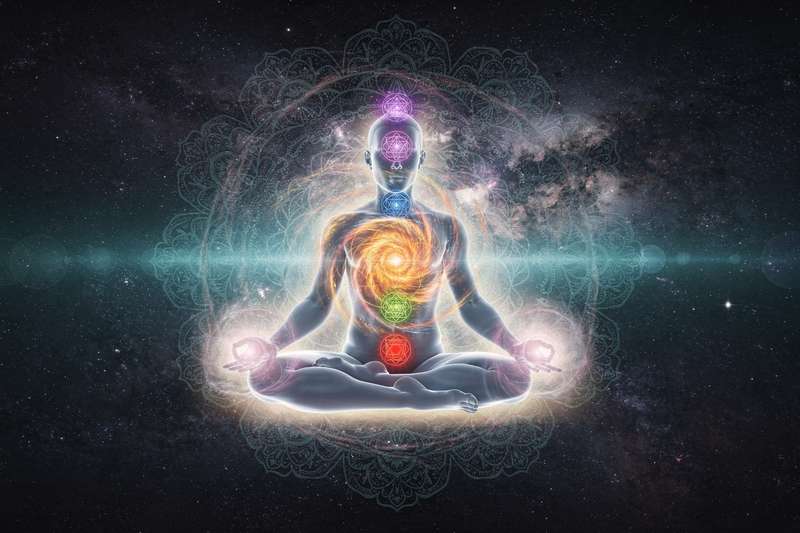
Chakras are important energy centers in the body, situated along the spine. There are seven main chakras, and they are connected to your whole system — your physical, mental, and emotional body. In Sanskrit, the word chakra (चक्र) translates simply to “wheel” or “circle,” a fitting image for the spinning vortices of energy that keep your life-force, or prana, moving freely through you.
Yin yoga is uniquely suited to chakra work for one important reason: time. Most yin poses are held for two to five minutes, sometimes longer. That sustained stillness allows you to move past the surface layer of muscle and into the deeper fascial tissues, joints, and energetic meridians where prana can become stuck. When you pair each long-held yin posture with focused breath awareness and intention on a specific chakra, you create the conditions for genuine energetic shifts — not just a good stretch.
“Chakras are connected to our whole system — our physical, mental and emotional body. Yin yoga poses gently stimulate these centres so the energy starts to flow and the chakra can balance itself if needed.” — Esther Ekhart, EkhartYoga
The 7 Chakras: Locations, Colors, Elements, and Bija Mantras
Before moving into the yin yoga sequence itself, it helps to know each chakra’s core qualities. Here is a clear map of all seven:
- Root Chakra (Muladhara) — Base of the spine / pelvic floor. Color: Red. Element: Earth. Bija mantra: Lam. Governs: Safety, security, belonging, physical survival.
- Sacral Chakra (Svadhisthana) — Just below the navel, in front of the sacrum. Color: Orange. Element: Water. Bija mantra: Vam. Governs: Creativity, sensuality, emotional flow, pleasure.
- Solar Plexus Chakra (Manipura) — Navel area, center of the abdomen. Color: Yellow. Element: Fire. Bija mantra: Ram. Governs: Self-esteem, willpower, discipline, personal power.
- Heart Chakra (Anahata) — Center of the chest. Color: Green. Element: Air. Bija mantra: Yam. Governs: Love, compassion, empathy, connection.
- Throat Chakra (Vishuddha) — Throat. Color: Blue. Element: Ether/Sound. Bija mantra: Ham. Governs: Communication, authentic expression, listening.
- Third Eye Chakra (Ajna) — Between and slightly above the eyebrows. Color: Indigo. Element: Light/Mind. Bija mantra: Om. Governs: Intuition, insight, imagination, inner vision.
- Crown Chakra (Sahasrara) — Top of the head. Color: Violet or White. Element: Thought/Consciousness. Bija mantra: Om (or silence). Governs: Divine connection, trust, spiritual awareness, unity.
A Complete Yin Yoga Sequence for All 7 Chakras
The following sequence moves from the root upward to the crown — a traditional direction that draws energy from the earth into the sky. Aim to spend roughly three minutes in each pose. Before you begin, gather a couple of blocks, a bolster, and something comfortable to sit on. You might also enjoy playing ambient meditation music in the background.
Begin by taking a comfortable seated position. Close your eyes and bring your attention to your breath. Feel the crown of your head lifting gently on each inhale, and your sit bones softening into the floor on each exhale. Let this centering breath settle your nervous system before the practice begins.
1. Root Chakra (Muladhara) — Uttanasana (Standing Forward Fold)
Stand with your feet a little apart and your knees soft. Fold forward, either draping completely with the backs of your hands resting on the floor, or supporting yourself with your elbows just above the knees. At the very bottom of your exhale, pause — stay empty for a couple of seconds with your attention at the very base of the spine, deep in the pelvic floor. Then allow the inhale to come naturally. This grounding posture targets your foundation: safety, stability, and belonging.
Affirmation: I am grounded in the present moment. I am safe, I belong, and my needs are met.
2. Sacral Chakra (Svadhisthana) — Butterfly Pose (Supported)
Come to a seated position and bring your legs into a diamond shape with the soles of your feet lightly touching. You can support your knees with a bolster for extra comfort. Fold forward gently from the hips, letting the spine round naturally. Place a cushion or block under your forehead if you like. At the bottom of your exhale, stay empty for a couple of seconds with your awareness in the lower belly, just in front of the sacrum. This pose opens the hips and pelvis — the home of your creative and emotional life.
Affirmation: My power lies in my sensitivity. I honor my emotions and flow with life.
3. Solar Plexus Chakra (Manipura) — Reclined Twist
Lie on your back with your arms in a T-shape. Shift your hips slightly to one side, then draw your knees across your body into a comfortable reclined twist. Rest your knees on a cushion, block, or the floor — whatever feels right. Take your awareness to the navel area. Stay empty at the end of the exhale for a couple of seconds, then let the breath return naturally. Remember to repeat on the other side. Twists gently compress and stimulate the digestive organs, encouraging your inner fire and personal power to rekindle.
Affirmation: I release all fears of not being good enough. My will is strong and my purpose is clear.
4. Heart Chakra (Anahata) — Sphinx Pose (Supported)
Lie on your belly and place a bolster just under your ribs for support. Position your elbows on the floor slightly forward of your shoulders and bring your palms together or rest them flat. Keep the neck long. In this pose, shift the breath retention to the inhalation — take a full breath in, move your awareness to the heart space, and hold for a couple of seconds before releasing the exhale. Feel your chest opening and expanding. The heart chakra governs your capacity to give and receive love, feel compassion, and connect deeply with others.
Affirmation: I am worthy of love and acceptance. My heart is open and compassion flows freely through me.
5. Throat Chakra (Vishuddha) — Supported Fish Pose
Lie back on a bolster or folded blankets positioned just beneath your shoulder blades. Rest your head, arms, and shoulders on the floor while the rest of your body is gently elevated. You can place your feet on blocks for comfort. Keep your awareness in the throat. Again, retain the breath at the top of the inhalation for a couple of seconds before releasing. This gentle heart-and-throat opener creates space for authentic expression, clear communication, and deep listening.
Affirmation: I allow all parts of myself to be expressed. I speak my truth with clarity and kindness.
6. Third Eye Chakra (Ajna) — Supported Child’s Pose
Kneel with your knees wide apart and your big toes touching. Bring a bolster widthways across your mat and rest your forearms on it. Make a gentle fist with your hands and place your forehead — your third eye point — directly on top. Inhale with attention between the eyebrows, hold the breath gently for a couple of seconds, then let the exhale go. Child’s pose with the forehead grounded activates your center of intuition, inner vision, and insight.
Affirmation: My intuition is always guiding me. I trust what I cannot see.
7. Crown Chakra (Sahasrara) — Seated Meditation
Slowly make your way to a comfortable seat on a chair, cushion, or bolster. Soften slightly under the chin and allow the back of the head to align with the back of the hips. Broaden your collarbone, soften your shoulders, and feel the crown of your head lengthening gently toward the sky while your sit bones become heavy on the floor. Let go of any deliberate breath retention. Simply bring a light, open awareness to the very top of your head as you breathe naturally. The crown chakra is your portal to trust, divine connection, and the awareness that you are part of something vast and loving.
Affirmation: I am always protected and divinely guided. I trust the wisdom of the universe.
Closing: Savasana
After completing all seven chakra poses, slowly lower yourself to the floor for a short Savasana. Let the energy you’ve awakened settle through every layer of your being before you return to your day. There’s no rush here — this final rest is as important as any pose in the sequence.
If you’d like to add sound healing to your practice, you can chant the Bija seed mantras at the end: Lam, Vam, Ram, Yam, Ham, Om, Om — one for each chakra from root to crown. Chanting these seed sounds creates vibration in the very areas of the body they are associated with, adding a potent layer of energetic clearing to your yin practice.
Signs Your Chakras May Be Out of Balance
A regular yin yoga for chakras practice is valuable not just for maintenance, but for recognizing when something feels off. Each chakra, when blocked or overactive, expresses itself through recognizable patterns in your life and body:
- Root Chakra blocked: Chronic anxiety, financial worry, feeling unrooted or unwelcome, lower back pain, fatigue.
- Sacral Chakra blocked: Creative blocks, emotional numbness, difficulty with intimacy, stiffness in the hips.
- Solar Plexus blocked: Low self-worth, indecisiveness, digestive problems, inability to follow through on goals.
- Heart Chakra blocked: Difficulty giving or receiving love, isolation, grief held in the chest, shallow breathing.
- Throat Chakra blocked: Fear of speaking up, people-pleasing, sore throat, difficulty being honest about your needs.
- Third Eye blocked: Over-reliance on logic at the expense of instinct, brain fog, lack of imagination, poor sleep.
- Crown Chakra blocked: Feeling spiritually disconnected, existential emptiness, rigidity in thinking, headaches.
You can also experience the opposite pattern — an overactive chakra. An overactive root chakra, for example, might look like hoarding or extreme materialism. An overactive heart chakra can manifest as codependency or losing yourself in other people’s needs. Yin yoga helps gently regulate both extremes by creating conditions for the body’s own intelligence to restore equilibrium.
How to Deepen Your Yin Yoga Chakra Practice
Beyond the physical postures, there are several complementary tools you can weave into your yin yoga for chakras sessions to deepen the effect:
Crystals for Chakra Support
Placing crystals near the corresponding chakra during your yin holds can amplify the energetic work. Consider:
- Root Chakra: Red jasper or black tourmaline — grounding and protective.
- Sacral Chakra: Carnelian — awakens creativity and emotional flow.
- Solar Plexus: Citrine — boosts confidence and personal power.
- Heart Chakra: Rose quartz — the stone of unconditional love and self-compassion.
- Throat Chakra: Blue lace agate or aquamarine — supports gentle, clear expression.
- Third Eye: Amethyst — deepens intuition and spiritual perception.
- Crown Chakra: Clear quartz or selenite — amplifies connection to higher consciousness.
Foods for Each Chakra
What you eat can support or hinder your energetic centers. Root vegetables like carrots, beets, and potatoes nourish the root chakra. Orange fruits and foods like mangoes and sweet potatoes support the sacral. Yellow foods — bananas, corn, ginger — feed the solar plexus. Leafy greens and green vegetables open the heart. Blue and purple foods like blueberries and blackberries benefit the upper chakras. And fasting or light eating — combined with pure water — is often associated with crown chakra sensitivity.
Essential Oils
Aromatherapy can beautifully accompany your yin practice. Vetiver and cedarwood anchor the root chakra. Ylang ylang and sweet orange awaken the sacral. Lemon and bergamot energize the solar plexus. Rose or geranium open the heart. Eucalyptus and peppermint clear the throat. Frankincense and clary sage heighten third eye perception. Lavender and sandalwood invite crown chakra stillness.
Props You’ll Need
To practice this sequence comfortably, gather the following before you begin:
- A yoga bolster
- Two yoga blocks
- A folded blanket or cushion
- Something comfortable to sit on for meditation
Frequently Asked Questions
How long should I hold each yin yoga pose for chakra work?
Aim for approximately three minutes per pose — long enough to move past muscular resistance and allow the connective tissues and energetic pathways to respond. If you’re new to yin yoga, starting with two minutes per pose is perfectly fine, and you can gradually extend the holds as your practice deepens.
Do I need to believe in chakras to benefit from yin yoga for chakras?
Not at all. Even if the concept of chakras feels unfamiliar, you can use each pose as an opportunity to connect with the universal themes each center represents — security, creativity, self-worth, love, expression, intuition, and spiritual trust. These are real human experiences regardless of the framework you use to explore them.
Can beginners practice yin yoga for chakras?
Yes — yin yoga for chakras is genuinely accessible for beginners. The slow pace, long holds, and generous use of props make it one of the most welcoming yoga styles available. If you’re new, simply use props generously, listen to your body, and remember that the goal is comfortable stillness, not intense stretching.
Can I do this yin yoga chakra sequence every day?
Many practitioners enjoy a shorter version daily and a full sequence a few times per week. Because yin yoga is gentle and deeply restorative rather than muscularly demanding, it can be practiced frequently. Listen to your body and vary which chakras you focus on if you feel drawn to work on particular areas of your life at different times.