Your heart chakra — the fourth energy center in your body — sits at the very core of who you are. Located at the center of your chest, it bridges the lower physical chakras with the upper spiritual ones, uniting body and soul in the dance of love, compassion, and authentic connection. When your heart chakra is open and balanced, you radiate kindness, embrace forgiveness, and welcome both giving and receiving love with ease.
But when this energy center falls out of alignment, you may feel emotionally shut down, disconnected from others, or trapped in cycles of resentment and loneliness. The good news? You can restore balance to your heart chakra through intentional practices — and one of the most powerful, grounding ways is through the food you eat. In this guide, you’ll discover how Heart Chakra foods — vibrant greens, heart-healthy fats, and nourishing herbs — can help you heal emotional wounds, cultivate self-love, and open your capacity for deeper connection.
What Is the Heart Chakra?
The heart chakra, known in Sanskrit as Anahata (meaning “unstruck” or “unhurt”), is the fourth of the seven primary chakras. It resides at the center of your chest, directly above your physical heart, and governs your ability to experience love in all its forms — romantic love, self-love, compassion for others, and universal connection.
Think of your heart chakra as the emotional command center of your being. It processes grief, joy, empathy, and forgiveness. When balanced, it allows you to form healthy relationships, set boundaries without guilt, and extend kindness without losing yourself. The heart chakra is also deeply tied to your physical heart, lungs, thymus gland, shoulders, and upper back, meaning emotional blockages can manifest as physical tension or discomfort in these areas.
This chakra is unique because it serves as the meeting point between the earthly and the divine. Below it lie the root, sacral, and solar plexus chakras — concerned with survival, pleasure, and personal power. Above it sit the throat, third eye, and crown chakras — dedicated to expression, intuition, and spiritual connection. Your heart chakra is the bridge that allows energy to flow freely between these realms, enabling you to live with both grounded presence and spiritual awareness.
Sanskrit Name & Symbolism of the Heart Chakra
Anahata translates to “unstruck” or “unhurt,” referring to a state of purity and wholeness that exists beyond pain. This name reminds you that beneath every wound, every heartbreak, every moment of rejection, there is a place within you that remains untouched — a core of love that can never be damaged.
The symbol of the heart chakra is a twelve-petaled lotus flower, often depicted in shades of green or pink. At the center of the lotus are two interlocking triangles, forming a six-pointed star. The upward-pointing triangle represents the masculine, active energy of spirit reaching down into matter. The downward-pointing triangle symbolizes the feminine, receptive energy of the physical world rising to meet spirit. Together, they reflect balance, harmony, and the union of opposites.
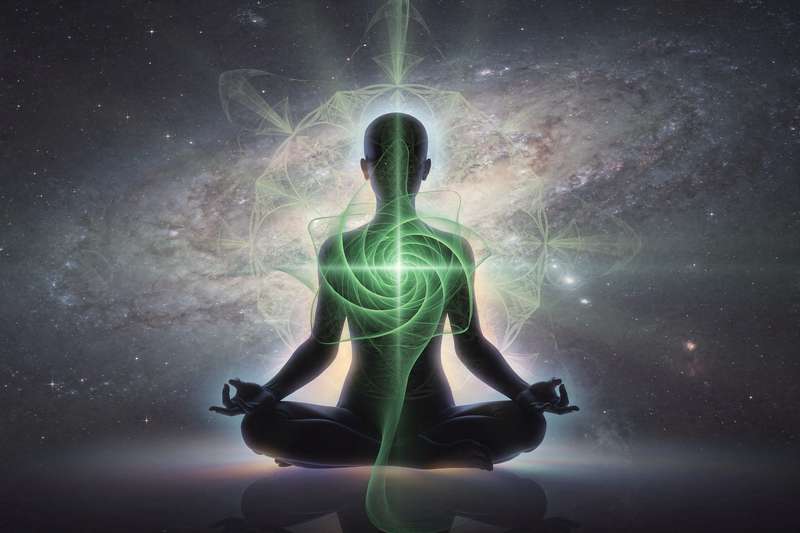
The element associated with Anahata is Air — a fitting match for a chakra that governs breath, openness, and circulation. Air moves freely, unbound by form, and so too does love when your heart is open. The heart chakra also resonates with the color green, symbolizing growth, renewal, and healing, as well as pink, representing tenderness, affection, and emotional warmth.
Color, Element & Physical Location of the Heart Chakra
Your heart chakra vibrates at the frequency of green and pink light. Green reflects the healing, restorative power of nature — think of forests, leafy plants, and the earth’s capacity for regeneration. Pink carries a softer, more nurturing energy, linked to unconditional love, gentleness, and emotional care. When you visualize these colors during meditation or surround yourself with them in your environment, you invite balance and healing into your emotional body.
The element of Air governs the heart chakra, emphasizing flow, circulation, and the breath of life. Just as air moves oxygen through your lungs and bloodstream, your heart chakra circulates emotional energy throughout your being. When this chakra is blocked, you may feel stagnant, heavy, or unable to breathe deeply. Opening it restores a sense of lightness and freedom.
Physically, the heart chakra is located at the center of your chest, directly over your heart and sternum. It governs your heart, lungs, thymus gland, shoulders, arms, hands, ribs, and upper back. This is why emotional pain often shows up as tightness in the chest, shallow breathing, or tension between the shoulder blades. When you nourish your heart chakra, you support not only your emotional health but also your cardiovascular and respiratory systems.
What the Heart Chakra Governs
Your heart chakra is the seat of love, compassion, forgiveness, and emotional connection. It governs your ability to give and receive love freely, to extend empathy and kindness to others, and to treat yourself with the same tenderness you offer to those you care about.
When your heart chakra is balanced, you experience a deep sense of inner peace and emotional stability. You can forgive yourself and others without clinging to bitterness. You form healthy, reciprocal relationships built on trust and respect. You feel connected to the world around you, recognizing that love is not a limited resource but an infinite wellspring within.
This chakra also governs self-worth and self-acceptance. Many people confuse heart chakra work with romantic love alone, but true heart chakra healing begins with how you relate to yourself. Do you speak to yourself with kindness? Do you honor your needs and boundaries? Do you allow yourself to rest, to feel, to be imperfect? These are all heart chakra questions.
On a physical level, the heart chakra supports your cardiovascular and respiratory health. Emotional blockages here can manifest as heart palpitations, high or low blood pressure, asthma, poor circulation, or chronic shoulder and upper back pain. Healing your heart chakra often brings relief to these physical symptoms as well.
Signs Your Heart Chakra Is Blocked or Imbalanced
When your heart chakra is blocked or underactive, you may struggle to connect with others or with your own emotions. You might feel emotionally numb, isolated, or unable to trust. Perhaps you’ve built walls around your heart to protect yourself from pain, but now those walls keep love out as well.
Common signs of a blocked heart chakra include:
- Difficulty forming or maintaining close relationships
- Fear of intimacy or vulnerability
- Chronic feelings of loneliness, even when surrounded by people
- Inability to forgive yourself or others
- Holding onto resentment, jealousy, or grudges
- Lack of empathy or emotional detachment
- Feeling unworthy of love or affection
- Codependency or people-pleasing behaviors
- Difficulty setting healthy boundaries
- Chest tightness, shallow breathing, or heart palpitations
- Upper back or shoulder pain
- Fatigue or low energy
If several of these resonate with you, your heart chakra may need gentle attention and care. The practices and foods in this guide can help you begin the healing process.
Signs of an Overactive Heart Chakra
An overactive heart chakra is less commonly discussed, but it’s equally important to recognize. When this energy center is too open, you may lose yourself in relationships, give too much without receiving, or struggle to maintain boundaries. You become a caretaker at the expense of your own well-being.
Signs of an overactive heart chakra include:
- Giving too much in relationships and feeling drained
- Difficulty saying no or setting limits
- Absorbing others’ emotions to the point of overwhelm
- Seeking validation or self-worth through helping others
- Fear of being alone or abandoned
- Clinging to relationships that no longer serve you
- Jealousy, possessiveness, or over-attachment
- Putting others’ needs above your own consistently
If this sounds like you, balancing your heart chakra means learning to direct some of that love and compassion inward. You are worthy of the care you so freely give to others.
How to Balance the Heart Chakra with Food
Food is one of the most immediate and powerful ways to support your heart chakra. The act of eating is both physical and energetic — you’re not just nourishing your body, but also your emotional and spiritual self. When you eat with intention, you invite healing into every cell.
For the heart chakra, the focus is on green, raw, and heart-healthy foods. These foods resonate with the color and element of this chakra, while also supporting your cardiovascular and respiratory systems. Let’s explore the best Heart Chakra foods to incorporate into your daily meals.
Leafy Green Vegetables
Leafy greens are the cornerstone of heart chakra nourishment. Spinach, kale, Swiss chard, arugula, and collard greens are packed with vitamins, minerals, antioxidants, and chlorophyll — the life force of plants. Chlorophyll helps detoxify your body and oxygenate your blood, supporting both your physical heart and your energetic heart center.
Try adding a handful of fresh spinach to your morning smoothie, building a kale salad for lunch, or sautéing Swiss chard with garlic as a simple side dish. The more greens you eat, the more you support emotional clarity and openness.
Cruciferous Vegetables
Broccoli, Brussels sprouts, and green cabbage belong to the cruciferous family, known for their anti-inflammatory properties and immune support. These vegetables help reduce inflammation in the body, which is often linked to emotional stress and blockages in the heart chakra.
Roast Brussels sprouts with olive oil and sea salt, steam broccoli with lemon juice, or toss shredded cabbage into a vibrant slaw. These foods ground you while opening your heart.
Green Tea
Green tea is a gentle, soothing beverage rich in antioxidants called catechins, which support cardiovascular health and reduce inflammation. Sipping green tea can become a ritual of self-care, a moment to pause, breathe, and reconnect with your heart center.
Consider swapping one cup of coffee for green tea in the morning, or enjoy a warm cup in the afternoon as a mindful break. Add a touch of honey or lemon if you like, and let the ritual calm your nervous system.
Avocados
Avocados are a heart-healthy fruit loaded with monounsaturated fats, potassium, and vitamin E. These nutrients support healthy cholesterol levels, regulate blood pressure, and nourish your heart tissue. The creamy, rich texture of avocados makes them a satisfying addition to any meal.
Spread avocado on toast, blend it into smoothies, add it to salads, or enjoy it simply with a sprinkle of sea salt. Avocados are a symbol of abundance and self-nourishment — qualities the heart chakra craves.
Green Fruits
Kiwi, green apples, pears, and grapes are refreshing, hydrating fruits that support the heart chakra. They’re high in vitamin C, which strengthens your immune system and supports collagen production for healthy skin and tissues. Their vibrant green color resonates with the frequency of Anahata.
Enjoy these fruits as snacks, add them to smoothies, or toss them into salads for a sweet, tangy contrast to leafy greens.
Cucumbers and Celery
Cucumbers and celery are hydrating, low-calorie vegetables that help flush toxins from your system. They’re cooling, refreshing, and perfect for supporting the flow of energy through your heart chakra. Both are excellent additions to juices, salads, or as crunchy snacks with hummus.
Fresh Herbs
Basil, thyme, parsley, cilantro, mint, and dill are aromatic herbs that not only enhance the flavor of your meals but also carry healing properties for the heart chakra. Basil, for example, is known for its anti-inflammatory and mood-lifting qualities. Parsley supports detoxification, while mint soothes the nervous system.
Use fresh herbs generously in your cooking. Add them to salads, soups, stir-fries, and smoothies. You can also steep them in hot water to make herbal teas.
Matcha
Matcha is a powdered form of green tea that offers even more antioxidants than traditional brewed tea. It provides calm, focused energy without the jitters, making it ideal for heart-centered meditation and mindfulness practices. Blend matcha into lattes, smoothies, or even energy balls for a nourishing treat.
Pistachios and Almonds
Nuts like pistachios and almonds provide healthy fats, protein, and magnesium, which supports heart health and relaxation. Pistachios, with their green hue, are especially aligned with the heart chakra. Enjoy them as snacks, sprinkle them on salads, or blend them into nut butters.
Spirulina and Chlorella
These blue-green algae are nutrient-dense superfoods packed with protein, vitamins, minerals, and chlorophyll. They support detoxification, boost energy, and nourish your heart chakra at a cellular level. Add a teaspoon to smoothies or juice for a powerful green boost.
Mindful Eating Practices
How you eat is just as important as what you eat. Before meals, take a moment to pause, breathe, and set an intention to nourish your heart chakra. Express gratitude for your food and the energy it carries. Chew slowly, savor each bite, and notice the flavors, textures, and sensations. This practice transforms eating from a mindless habit into a ritual of self-love.
Other Practices to Balance the Heart Chakra
Yoga Poses for the Heart Chakra
Certain yoga poses open the chest, stretch the shoulders, and invite breath into the heart space. Try these poses to support your heart chakra:
- Camel Pose (Ustrasana): A deep backbend that opens the chest and throat
- Cobra Pose (Bhujangasana): A gentle backbend that stretches the front body and lungs
- Bridge Pose (Setu Bandhasana): Opens the chest while grounding through the legs
- Upward Facing Dog (Urdhva Mukha Svanasana): Expands the chest and strengthens the arms
- Wild Thing (Camatkarasana): A playful, heart-opening pose that cultivates joy
Heart Chakra Affirmations
Affirmations help rewire your subconscious mind and open your heart to new possibilities. Repeat these affirmations daily, either aloud or silently:
- I am worthy of love and compassion
- I give and receive love freely
- I forgive myself and others with ease
- My heart is open and healed
- I am connected to all beings through love
- I honor my emotions and allow myself to feel
- I set healthy boundaries without guilt
Meditation and Breathwork
Meditation is a direct path to your heart chakra. Sit comfortably, close your eyes, and bring your awareness to the center of your chest. Visualize a glowing green or pink light expanding with each breath. Imagine this light dissolving any walls or wounds around your heart.
Try heart-centered breathwork: Inhale deeply through your nose, filling your lungs and chest. Exhale slowly, releasing tension and pain. Repeat for 5-10 minutes, allowing your breath to soften your heart.
Essential Oils for the Heart Chakra
Essential oils carry vibrational energy that can support emotional healing. Oils that resonate with the heart chakra include:
- Rose: The queen of heart-opening oils, rose promotes self-love and compassion
- Eucalyptus: Clears the lungs and supports deep breathing
- Lavender: Calms the nervous system and invites emotional balance
- Bergamot: Uplifts the spirit and releases emotional blockages
- Ylang Ylang: Encourages forgiveness and inner peace
Diffuse these oils during meditation, add them to a bath, or apply them (diluted) to your chest and wrists.
Spending Time in Nature
The heart chakra resonates with the element of Air and the color green, making nature the perfect healing space. Walk barefoot on grass, sit under a tree, or simply breathe fresh air outdoors. Notice the birds, the breeze, the rustle of leaves. Nature reminds you that love is abundant, ever-present, and freely given.
Healing Crystals for the Heart Chakra
Crystals carry unique vibrational frequencies that can support chakra healing. The following stones are especially powerful for the heart chakra:
- Rose Quartz: The ultimate stone of unconditional love, self-compassion, and emotional healing
- Green Aventurine: Promotes emotional balance, optimism, and prosperity
- Jade: A stone of harmony, protection, and heart-centered wisdom
- Malachite: A transformative stone that clears old emotional patterns
- Rhodonite: Supports forgiveness, compassion, and emotional release
- Amazonite: Soothes anxiety and helps you communicate from the heart
- Emerald: A powerful stone of love, loyalty, and emotional clarity
Hold these crystals during meditation, place them on your chest while lying down, or carry them in your pocket throughout the day. Cleanse them regularly under running water or with sage smoke.
Bija Mantra & Sound Healing for the Heart Chakra
The bija (seed) mantra for the heart chakra is YAM (pronounced “yahm”). Chanting this mantra activates and balances the energy of Anahata. Sit comfortably, place one hand on your heart, and chant YAM aloud or silently. Feel the vibration resonate through your chest, opening and clearing your heart space.
Sound healing with singing bowls, tuning forks, or music tuned to 639 Hz (the frequency of the heart chakra) can also support emotional release and balance. Listen to these sounds during meditation or while resting.
Final Thoughts
Your heart chakra is the bridge between your physical existence and your spiritual essence. It is where love is born, where compassion flows, and where healing begins. Nourishing your heart chakra with green foods, mindful practices, and loving intention is one of the most powerful acts of self-care you can offer yourself.
Remember: healing your heart doesn’t mean you’ll never feel pain again. It means you’ll have the courage to feel deeply, to love freely, and to remain open even after being hurt. It means you’ll forgive yourself for being human, and extend that same grace to others. When your heart chakra is balanced, you become a living embodiment of love — and that is the greatest gift you can give to yourself and the world.
Frequently Asked Questions About the Heart Chakra
What happens when your heart chakra is blocked?
When your heart chakra is blocked, you may feel emotionally closed off, struggle to trust others, hold onto resentment, or experience loneliness. Physical symptoms can include chest tightness, heart palpitations, upper back pain, and shallow breathing.
How do green foods help balance the heart chakra?
Green foods resonate with the color frequency of the heart chakra and are often rich in nutrients that support cardiovascular health, detoxification, and emotional well-being. Eating them mindfully helps align your physical and energetic heart.
Can you have an overactive heart chakra?
Yes. An overactive heart chakra can cause you to give too much, lose yourself in relationships, struggle with boundaries, or become overly dependent on others for validation. Balancing involves learning to direct love and care toward yourself.
How long does it take to heal a blocked heart chakra?
Healing is a personal journey that varies for everyone. Some people notice shifts within days of intentional practice, while others may need weeks or months. Consistency, patience, and self-compassion are key.