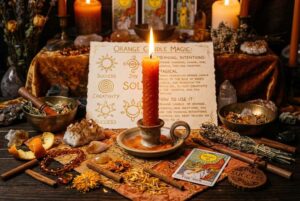
Hoodoo for beginners opens the door to one of America’s most powerful spiritual traditions—a system of rootwork and conjure born from the resilience, wisdom, and cultural memory of African Americans. Unlike religions with formal structures, Hoodoo is a folk magic practice focused on practical results: protection, prosperity, love, healing, and justice. It draws from African spiritual traditions, Native American herbalism, and European folk practices, creating something uniquely American. Today, people are drawn to Hoodoo because it works with accessible materials—roots, herbs, oils, candles—and honors ancestral knowledge while addressing modern challenges. If you’re seeking spiritual tools rooted in history and designed for real-world change, this guide will show you how to begin practicing with respect and intention.
What Is Hoodoo and Why Practice It?
Hoodoo is an African American spiritual practice that centers on working with natural materials and spiritual forces to create tangible change in your life. It’s not a religion—you can practice Hoodoo alongside any faith or none at all. The tradition developed during slavery as a way for enslaved Africans to maintain spiritual power and agency in impossible circumstances. They blended West African spiritual knowledge with indigenous American plant wisdom and absorbed elements from European grimoire traditions. The result is a practical, flexible system where your intention, connection to ancestors, and knowledge of natural elements create powerful effects. People practice Hoodoo today because it offers direct spiritual solutions: you’re not waiting for divine intervention, you’re actively working to shift your circumstances while honoring the spirits and ancestors who support you.
Common Types of Hoodoo Work
Hoodoo encompasses several types of spiritual work, each serving different needs in your life. Protection work creates spiritual barriers against negative energy, hexes, or harmful intentions—this might include salt baths, protection sachets, or ward bottles placed in your home. Prosperity and money-drawing work uses specific herbs like cinnamon and High John the Conqueror root to attract financial opportunities and open roads to success. Love and relationship work focuses on drawing love, sweetening existing relationships, or healing from heartbreak using herbs like rose petals and damiana. Cleansing and uncrossing removes negative spiritual conditions or obstacles blocking your path, often involving spiritual baths with hyssop or rue. Justice work addresses situations where you’ve been wronged and need spiritual balance restored. Healing work supports physical and emotional wellness through spiritual means, often combined with practical medical care. Each type of work follows similar principles but uses different ingredients and approaches based on the desired outcome.
Step-by-Step: Starting Your Hoodoo Practice
Step 1: Study the History and Cultural Context
Before you begin any practical work, take time to understand where Hoodoo comes from and what it represents. This practice was born from trauma and survival—it carries the spiritual resilience of people who maintained their power under brutal conditions. Read books by practitioners from the tradition, watch documentaries, and approach this knowledge with deep respect. Understanding the African American roots of Hoodoo isn’t optional—it’s essential to practicing ethically and effectively. You don’t need to be African American to practice (Hoodoo has always served diverse communities in the South), but you must honor its origins and never claim it as your own invention or strip away its cultural context. This foundation will inform everything else you do and help you avoid appropriation or disrespectful practice.
Step 2: Set Up a Simple Ancestor Altar
Ancestor veneration sits at the heart of Hoodoo practice. Your ancestors—those who came before you—can offer guidance, protection, and spiritual power when you honor them properly. Choose a small table, shelf, or corner of your home for your ancestor altar. Place a white cloth as the foundation, then add a glass of fresh water (changed weekly), a white candle, and photos or items representing your deceased loved ones. You might include their favorite foods, flowers, or personal objects. Spend a few minutes at your altar regularly, speaking to your ancestors, asking for their guidance, and thanking them for their protection. This relationship builds the spiritual foundation for all other work—your ancestors become allies in your practice, lending their strength to your intentions.
Step 3: Learn Essential Herbs, Roots, and Curios
Hoodoo works with natural materials that carry specific spiritual properties. Start learning the basic ingredients you’ll use repeatedly. High John the Conqueror root brings success, confidence, and power—carry a piece in your pocket or add to mojo bags. Cinnamon draws money and speeds up results. Lavender brings peace, healing, and love. Salt cleanses and protects. Basil attracts prosperity and wards off negativity. Rose petals draw love and sweetness. As you acquire these materials, spend time with each one—smell it, hold it, learn its energy. Keep a journal documenting your experiences with different herbs and roots. You don’t need dozens of ingredients to begin; five to seven essential herbs will carry you through most basic work. Purchase from ethical suppliers, and if possible, grow your own herbs to deepen your connection to the materials.
Step 4: Create Your First Mojo Bag
A mojo bag (also called a mojo hand, gris-gris, or conjure bag) is a small cloth pouch filled with herbs, roots, personal items, and other ingredients aligned with a specific intention. This is one of the most fundamental Hoodoo practices and an excellent first project. Choose a small flannel bag in a color matching your intention—green for money, red for love, white for protection, purple for spiritual power. Select three, five, seven, or nine ingredients that support your goal (odd numbers carry power in this work). For a simple money-drawing mojo, you might use a piece of High John root, cinnamon chips, a magnet, a lodestone, and a silver dime. As you add each item, state your intention clearly and breathe your prayer into the bag. Once assembled, “feed” your mojo bag weekly with a few drops of matching oil while stating your intention. Carry it with you, keep it hidden, and never let others touch it—this is your personal spiritual tool.
Step 5: Master the Spiritual Bath
Spiritual baths cleanse your energy field, remove obstacles, and prepare you for other magical work. They’re simple yet powerful, and you’ll use them throughout your practice. Fill your tub with warm water, then add your chosen herbs based on your intention. For cleansing and protection, use hyssop, salt, and lavender. For prosperity, try basil, cinnamon, and orange peels. For love, use rose petals, lavender, and a bit of honey. Light a white candle, state your intention, and soak for at least 13 minutes (a significant number in Hoodoo). Visualize the water pulling away negativity or drawing in the energy you seek. When you finish, don’t drain and rinse—step out and air dry if possible, letting the spiritual water remain on your skin. Collect some of the bathwater in a jar and dispose of it at a crossroads or in running water, symbolically carrying your intention out into the world or washing away what you’ve released.
Step 6: Work Your First Candle Spell
Candle magic in Hoodoo is direct and results-oriented. Choose a candle color matching your intention (white works for any purpose if you’re unsure). Seven-day glass vigil candles are traditional, but taper candles or tea lights work fine for beginners. “Dress” your candle by anointing it with oil aligned with your purpose—rub from bottom to top for drawing things to you, top to bottom for pushing things away. As you oil the candle, focus intensely on your desired outcome. You might add herbs by sprinkling them on top of a glass candle or rolling an oiled taper candle in crushed herbs. Write your petition on parchment paper with your specific request, fold it toward you (for drawing) or away (for repelling), and place it under the candle. Light the wick while speaking your intention aloud as a command, not a plea: “I draw prosperity into my life now” rather than “please send me money.” Let the candle burn completely if safe, or burn it in sections over multiple days, relighting with the same intention each time.
Step 7: Learn to Read Signs and Track Results
Hoodoo is practical magic—you’re looking for real-world results, not just good feelings. Pay attention to signs indicating your work is manifesting. Notice how your candles burn: a steady, strong flame suggests your work is progressing well, while smoking or sputtering might indicate obstacles or opposition. Keep a working journal where you record what you did, when you did it, and what results followed. This documentation builds your personal knowledge base and helps you understand what methods work best for you. Watch for synchronicities, unexpected opportunities, or shifts in circumstances related to your intention. Results might arrive within days or take weeks depending on the complexity of your goal. Be patient but also be willing to adjust your approach if you’re not seeing movement. If a working doesn’t produce results, analyze what might have been missing—insufficient focus, inappropriate ingredients, or perhaps you needed a cleansing before doing attraction work.
Essential Tools and Supplies for Beginners
You don’t need expensive or rare items to begin practicing Hoodoo—this tradition developed using whatever was available and accessible. Start with these basics: a set of candles in various colors (white, red, green, black, and purple cover most work), a small collection of dried herbs (the seven mentioned earlier will serve you well), a notebook for recording your work and results, small flannel bags in different colors for mojo bags, a few glass jars with lids for storing herbs and creating bottle spells, olive oil as a base for dressing candles, and sea salt for cleansing. As you progress, you might add condition oils (commercially prepared or homemade), roots like High John and Devil’s Shoestring, lodestones and magnets, and specific curios like dirt from meaningful locations. Many practitioners keep a working altar separate from their ancestor altar, but this isn’t required—your kitchen table can serve as sacred space when you’re working. Quality matters more than quantity; five herbs you know intimately serve better than fifty you barely understand.
Ethics and Best Practices in Rootwork
Hoodoo operates under different ethical guidelines than some other magical traditions. There’s no universal “harm none” rule here—this practice emerged from people who sometimes needed spiritual protection that fought back or justice work that held wrongdoers accountable. However, this doesn’t mean practicing recklessly. Consider consequences before working, especially for domination or compelling work that affects free will. Be honest about your intentions—if you’re working from ego or petty revenge rather than genuine need, your work may backfire. Respect the cultural origins of every practice you use; don’t mix Hoodoo with closed traditions you’re not initiated into. Never practice on someone without their knowledge unless you’re doing protection work for yourself or removing a genuine threat. Work with practitioners from the tradition when possible, especially for complex situations. Keep your work private—constant discussion dissipates energy. Take responsibility for outcomes. If you work to influence circumstances, you must be prepared to handle the results, wanted or not.
Common Beginner Mistakes to Avoid
- Mixing too many traditions at once: Hoodoo has its own internal logic and methods. Combining it with Wiccan circles, ceremonial magic protocols, or other structured systems often creates confusion rather than power. Learn Hoodoo’s approach first before blending.
- Skipping the cleansing work: New practitioners often want to jump straight to attraction magic for love or money, but if you’re carrying negative energy or crossed conditions, that attraction work won’t take hold. Start with spiritual baths and cleansing before drawing new energy in.
- Using ingredients you don’t understand: Don’t throw random herbs together because they sound mystical. Each ingredient carries specific properties and some combinations work against each other. Research thoroughly before mixing materials.
- Expecting instant results without effort: Hoodoo supports your real-world actions, it doesn’t replace them. If you work a money spell but never apply for jobs or pursue opportunities, your magic has nothing to work with. Magic and action must partner together.
- Neglecting your ancestors: The ancestor altar isn’t decorative—it’s your spiritual power source. Regular communication and offerings strengthen this connection and amplify all other work you do.
- Practicing without proper disposal: Hoodoo often requires specific disposal of used materials—at crossroads, in running water, or buried in particular ways. Improper disposal can trap energy or even reverse your work.
How to Build Your Practice Over Time
Begin simply and let your practice deepen naturally through experience. Spend your first month focusing only on ancestor veneration, spiritual baths, and studying herbs—this foundation serves everything else. Month two, add candle work and create your first mojo bag. Month three, experiment with different types of work based on your actual needs. Document everything meticulously so you can track what works for your particular energy and circumstances. Seek out books by legitimate practitioners—oral tradition remains important, so if you can find experienced workers willing to teach, that mentorship proves invaluable. Avoid the trap of constantly buying new supplies while neglecting practice; better to master one simple working completely than to attempt dozens superficially. Your relationship with the spirits, your ancestors, and the materials you work with will mature over time. Trust that the practice reveals itself gradually to those who approach with genuine respect and consistent effort. Within a year of dedicated practice, you’ll have built a solid foundation to handle most situations that arise in your life through spiritual means.
Final Thoughts
Hoodoo offers you a direct, practical path to spiritual empowerment rooted in centuries of wisdom and survival. This tradition has helped people create change, protect themselves, and manifest their needs when every other avenue was closed to them. As you begin walking this path, remember that you’re connecting with something larger than yourself—a lineage of practitioners who used these same techniques to claim power in their lives. Approach your practice with respect for those who came before, patience with your own learning process, and confidence that these methods work when applied correctly. Your journey into Hoodoo isn’t about collecting exotic supplies or performing elaborate rituals—it’s about developing a practical spiritual practice that serves your real life needs. Start where you are, work with what you have, and trust the process.
Related Practices and Spiritual Tools
As you develop your Hoodoo practice, you might find these related spiritual topics helpful: specific moon phases can amplify your work—the new moon supports new beginnings and attraction work, while the waning moon aids releasing and banishing. Many practitioners connect certain crystals with rootwork, though this is a more modern addition; pyrite for prosperity, black tourmaline for protection, and citrine for success align well with traditional work. Understanding your numerology can help you choose auspicious days and times for important workings. Some Hoodoo practitioners incorporate tarot cards for divination and reading signs about their work’s progress. Pay attention to recurring angel numbers as possible messages from your ancestors or spirit guides.
Frequently Asked Questions About Hoodoo for Beginners
Do I need to be African American to practice Hoodoo?
No, but you must approach the practice with deep respect for its African American origins and cultural context. Hoodoo has historically served diverse communities in the American South, but it remains a tradition born from Black American experience and resilience. Never claim Hoodoo as your own creation or strip away its cultural roots. Learn from practitioners within the tradition, acknowledge where these practices come from, and never appropriate the spiritual labor of a marginalized community for aesthetic purposes.
What’s the difference between Hoodoo and Voodoo?
Hoodoo is an American folk magic practice focused on practical spellwork using herbs, roots, and natural materials—it’s not a religion. Voodoo (or Vodou) is a complete religion with its own theology, deities (lwa), priesthood structure, and initiation requirements that developed in Haiti and parts of Louisiana. While they share some African ancestral roots and occasionally overlap in the American South, they are distinct traditions. You can practice Hoodoo alongside any religion, but Vodou requires formal initiation and religious commitment.
How long does it take to see results from Hoodoo work?
Results vary widely depending on the complexity of your situation and how much real-world action supports your spiritual work. Simple work like cleansing or protection might show effects within days. More complex goals involving other people’s free will or significant life changes might take weeks or months. Hoodoo works best when magic and mundane action partner together—if you’re doing money work but not pursuing opportunities, results will be delayed. Track your work carefully in a journal to understand your particular patterns and timing.
Can Hoodoo work be reversed or go wrong?
Yes, spiritual work can have unintended consequences, especially if done without proper knowledge or with confused intentions. This is why cleansing and protection work come first—they create a stable foundation. If work goes wrong, perform an uncrossing to remove the spiritual condition, then approach the situation more carefully. Working with experienced practitioners helps prevent mistakes. Also, some work that seems to “fail” is actually being blocked by spiritual forces for reasons you don’t yet understand. Stay humble and be willing to reassess your approach when things don’t unfold as expected.