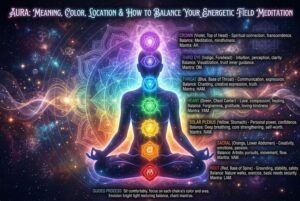
Your heart chakra is calling. It whispers in moments of deep connection, aches when love feels distant, and expands when you witness beauty or kindness. Known in Sanskrit as Anahata — meaning “unstruck” or “unhurt” — the heart chakra is the energy center where love, compassion, and emotional balance reside. And when you practice heart chakra yoga poses, you unlock a pathway to deeper emotional freedom, stronger relationships, and a life rooted in kindness.
Located in the center of your chest, the heart chakra serves as the bridge between your body and spirit, connecting the three lower chakras (rooted in survival and physicality) with the three upper chakras (devoted to wisdom and consciousness). When balanced, you feel open, loving, and at peace. When blocked, you may feel isolated, defensive, or emotionally numb.
The good news? Yoga poses for the heart chakra are one of the most powerful tools you have to restore balance, release stuck emotions, and invite more love into your life. Through intentional movement, breathwork, and mindful awareness, you can heal your heart from within.
What Is the Heart Chakra?
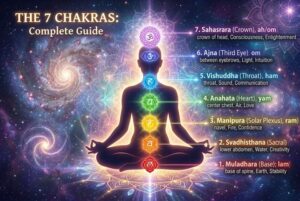
The heart chakra, or Anahata, is the fourth of the seven primary chakras. It sits at the center of your energy body, literally and symbolically. While your lower three chakras ground you in the physical world — survival, creativity, and personal power — your upper three chakras connect you to intuition, expression, and divine consciousness. The heart chakra is where these worlds meet.
When your Anahata is open and flowing, you can give and receive love freely. You forgive easily, maintain healthy boundaries, and feel genuine compassion for yourself and others. You trust deeply and love without fear. But when this chakra becomes blocked or imbalanced, the effects ripple through your emotional and physical life.
Heart chakra imbalances often manifest as tightness in the chest, shallow breathing, or a sense of emotional heaviness. You might struggle to express affection, feel unworthy of love, or become overly critical of yourself and others. This is where heart chakra yoga poses become your medicine.
Sanskrit Name & Symbolism
The Sanskrit name Anahata translates to “unstruck” or “unbeaten.” This refers to a sound that arises without two objects striking together — a pure, eternal vibration. It’s the sound of your soul, untouched by the wounds of the past. The symbolism is profound: no matter how much pain you’ve experienced, your heart’s capacity for love remains whole and intact.
The heart chakra symbol is a twelve-petaled lotus, often depicted in shades of green or pink. At its center is a six-pointed star (two interlocking triangles), representing the union of masculine and feminine energies, earth and spirit, giving and receiving. This sacred geometry reminds you that love is not one-sided — it flows in and out, creating balance and harmony.
Color, Element & Location
The primary color of the heart chakra is green, the hue of healing, growth, and renewal. Green reflects the energy of nature — fresh, alive, and constantly regenerating. The secondary color is pink, which represents unconditional love, tenderness, and emotional warmth.
The element associated with Anahata is air. Air is expansive, light, and free. It reminds you that love cannot be clenched or controlled — it must be allowed to breathe. When you practice heart-opening yoga poses, you’re literally creating more space in your chest for the breath to move, for energy to circulate, and for love to flow.
Physically, the heart chakra is located in the center of the chest, at the level of your heart. It governs the heart, lungs, chest, shoulders, arms, and hands. You may notice tension in these areas when your heart chakra is blocked.
What the Heart Chakra Governs
The heart chakra governs your ability to love and be loved. It influences your relationships — with partners, family, friends, and most importantly, yourself. When balanced, Anahata helps you maintain healthy boundaries, practice forgiveness, and approach life with empathy and kindness.
This chakra also governs your emotional well-being. It’s the seat of compassion, joy, grief, and gratitude. A balanced heart chakra allows you to feel your emotions fully without becoming overwhelmed. You can sit with sadness without shutting down, and you can experience joy without fear of losing it.
On a physical level, the heart chakra influences your cardiovascular and respiratory systems. Practices that open the chest — like heart chakra yoga poses — improve lung capacity, circulation, and even immune function. The thymus gland, which supports immunity, is also linked to Anahata.
Signs Your Heart Chakra Is Blocked or Imbalanced
When your heart chakra is blocked, you may feel disconnected from others and yourself. Emotional walls go up. You might struggle to trust, feel unworthy of love, or have difficulty expressing affection. Physically, you may experience tightness in the chest, shallow breathing, or a hunched posture.
A deficient (underactive) heart chakra can show up as:
- Loneliness and isolation
- Fear of intimacy or vulnerability
- Difficulty forgiving yourself or others
- Feelings of unworthiness
- Depression or emotional numbness
- Shyness or social withdrawal
Signs of an Overactive Heart Chakra
On the flip side, an overactive (excessive) heart chakra can lead to codependency, people-pleasing, and a tendency to give too much while neglecting your own needs. You might lose yourself in relationships, struggle with boundaries, or become overly emotional.
Signs of an overactive Anahata include:
- Codependency in relationships
- Excessive jealousy or possessiveness
- Difficulty saying no or setting boundaries
- Unrealistic expectations of others
- Harsh judgment or criticism (of self or others)
- Feeling overly responsible for others’ emotions
Whether your heart chakra is blocked or overactive, the key to balance lies in conscious, compassionate practice — and heart chakra yoga poses are a beautiful place to start.
How to Balance the Heart Chakra with Yoga Poses
Yoga is one of the most effective ways to open, activate, and balance your heart chakra. Through chest-opening postures, you stretch the muscles around your heart, expand your lung capacity, and invite more breath — and more life force — into your body. Below are some of the most powerful heart chakra yoga poses to include in your practice.
1. Camel Pose (Ustrasana)
Camel Pose is a deep backbend that opens the entire front body. It stretches the chest, shoulders, abdomen, and throat, and it challenges you to soften into vulnerability. Kneel with your knees hip-width apart, press your hips forward, and reach your hands to your heels (or lower back). Lift your chest and allow your heart to shine.
2. Cobra Pose (Bhujangasana)
Cobra is a gentle, accessible backbend that lifts the chest and strengthens the spine. Lie on your belly, place your hands beneath your shoulders, and gently press into the earth as you lift your chest forward and up. Keep your shoulders relaxed and your gaze soft.
3. Upward Facing Dog (Urdhva Mukha Svanasana)
Upward Facing Dog is a dynamic heart opener that strengthens the arms, shoulders, and back while stretching the chest and lungs. Press firmly into your hands and the tops of your feet, lift your thighs off the ground, and draw your chest forward and upward.
4. Fish Pose (Matsyasana)
Fish Pose is a restorative heart opener. Lie on your back, place your hands beneath your hips, and press your elbows into the ground as you lift your chest and gently rest the crown of your head on the floor. Use a bolster or block beneath your upper back for a more supported variation.
5. Bow Pose (Dhanurasana)
Bow Pose opens the chest while strengthening the back body. Lie on your belly, bend your knees, and reach back to hold your ankles. Kick your feet into your hands as you lift your chest and thighs off the ground. Breathe deeply and feel your heart expand.
6. Bridge Pose (Setu Bandha Sarvangasana)
Bridge Pose gently opens the chest and strengthens the legs and glutes. Lie on your back with your knees bent and feet flat. Press into your feet and lift your hips, interlacing your fingers beneath your back. Roll your shoulders under and lift your heart toward your chin.
7. Supported Heart Opener (Restorative)
Place a bolster or folded blanket lengthwise along your spine. Lie back so your chest gently arches over the support. Let your arms rest wide, palms facing up. Stay here for several minutes, breathing deeply and allowing your heart to soften and open.
8. Extended Puppy Pose (Uttana Shishosana)
Puppy Pose is a gentle, grounding heart opener. From all fours, walk your hands forward and lower your chest toward the mat while keeping your hips stacked over your knees. Rest your forehead or chin on the ground and breathe into the stretch across your chest and shoulders.
9. Sphinx Pose (Salamba Bhujangasana)
Sphinx is a mild backbend that gently opens the chest and strengthens the spine. Lie on your belly, place your forearms flat on the ground with elbows under your shoulders, and press gently as you lift your chest forward. Relax your shoulders and breathe.
10. Crescent Lunge with Heart Opener
Step your right foot forward into a low lunge, lower your back knee, and sweep your arms overhead. Lift through your chest and gently lean back, engaging your core. This pose grounds your lower body while expanding your heart.
Other Practices to Balance the Heart Chakra
Affirmations
Affirmations help reprogram the subconscious mind and invite love back into your heart. Repeat these daily, out loud or silently:
- I am worthy of love and connection.
- I forgive myself and others with grace.
- My heart is open, and I give and receive love freely.
- I am safe to feel deeply.
- I trust in the flow of love.
Meditation
Heart chakra meditation invites you to visualize a glowing green or pink light in the center of your chest. Sit comfortably, place one hand on your heart, and breathe deeply. With each inhale, imagine the light expanding. With each exhale, release any heaviness or pain. You can also practice Metta (loving-kindness) meditation, silently offering phrases like “May I be happy, may I be healthy, may I be loved.”
Essential Oils
Certain essential oils resonate with the heart chakra and can be used during meditation or yoga. Try rose, jasmine, lavender, eucalyptus, or bergamot. Apply a drop to your chest or diffuse the oil in your space.
Foods
Nourish your heart chakra with green foods like leafy greens, broccoli, kale, green apples, kiwi, and matcha. Herbal teas like rose, hawthorn, and green tea also support Anahata.
Healing Crystals for the Heart Chakra
Crystals are powerful allies in chakra healing. The heart chakra responds beautifully to green and pink stones. Here are the most effective crystals for Anahata:
- Rose Quartz: The ultimate stone of unconditional love and emotional healing. It soothes heartache and invites self-love.
- Green Aventurine: A stone of prosperity, compassion, and emotional calm. It supports heart healing and attracts positive energy.
- Malachite: A transformative stone that clears emotional blockages and encourages deep healing.
- Jade: A stone of harmony, balance, and protection. It attracts love and supports emotional resilience.
- Rhodonite: A stone of forgiveness and compassion. It helps release old wounds and restore emotional balance.
Place a crystal on your chest during meditation or yoga, carry it in your pocket, or wear it as jewelry to keep the heart chakra energy flowing.
Bija Mantra & Sound Healing
The bija (seed) mantra for the heart chakra is YAM (pronounced “yahm”). Chanting this sound vibrates at the frequency of Anahata, helping to clear blockages and restore balance. You can chant YAM aloud during meditation, or simply repeat it silently as you breathe.
Sound healing also supports the heart chakra. The note F and the frequency of 639 Hz are associated with Anahata. You can listen to 639 Hz music, play singing bowls tuned to F, or use tuning forks during your practice.
Final Thoughts
Your heart chakra is your portal to love — love for yourself, love for others, and love for life itself. When Anahata is open and balanced, you feel deeply connected, emotionally resilient, and at peace. But when it’s blocked, the world can feel cold, lonely, and overwhelming.
The beauty of heart chakra yoga poses is that they offer a tangible, embodied way to heal. Every backbend, every deep breath, every moment of stillness is an act of self-love. You don’t need to force your heart open — you simply need to create space for it to soften, to breathe, to remember its true nature.
So roll out your mat. Light a candle. Place a rose quartz crystal on your chest. Breathe deeply and let your heart lead the way. You are worthy of love. You are safe to feel. And your heart — unstruck, unhurt, whole — is ready to open.
FAQ: Heart Chakra Yoga Poses
What are the best yoga poses to open the heart chakra?
The best heart-opening yoga poses include Camel Pose, Cobra Pose, Upward Facing Dog, Fish Pose, Bow Pose, and Bridge Pose. These poses stretch the chest, expand the lungs, and release tension stored in the upper body.
How do I know if my heart chakra is blocked?
Signs of a blocked heart chakra include difficulty trusting others, fear of intimacy, feelings of loneliness, shallow breathing, and tightness in the chest. You may also struggle with forgiveness or feel emotionally numb.
Can yoga really heal emotional pain?
Yes. Yoga creates space in the body for emotions to move and release. When you practice heart chakra yoga poses, you’re not only stretching muscles — you’re also releasing stuck emotional energy and inviting compassion back into your life.
What color should I visualize for the heart chakra?
Visualize green or pink light. Green represents healing and growth, while pink represents unconditional love and tenderness. Imagine this light glowing in the center of your chest as you breathe.