What Is Mabon Sabbat?
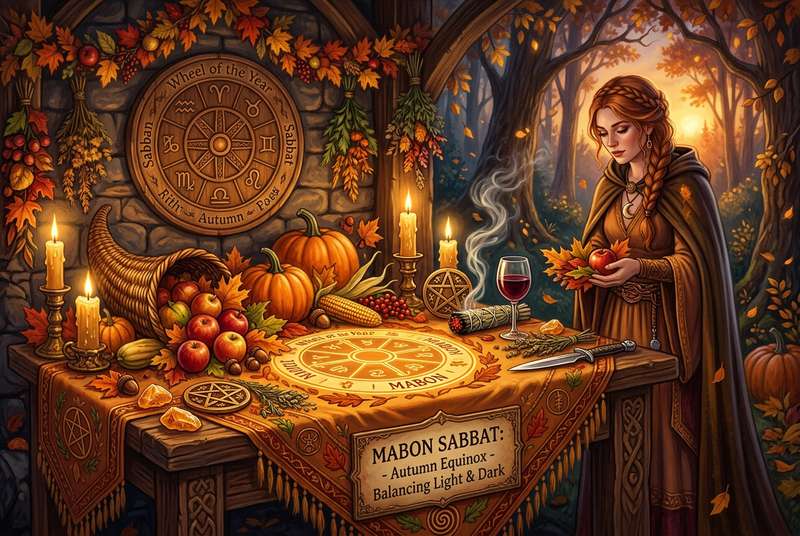
Mabon Sabbat is one of the eight sacred festivals in the Wheel of the Year, celebrated by witches, pagans, and spiritual seekers worldwide. This mystical occasion honors the autumn equinox—a moment when day and night stand in perfect equilibrium, before the darkness gradually deepens toward winter’s longest night. The Mabon Sabbat is a time of profound gratitude, bountiful harvest, and spiritual reflection as you acknowledge the earth’s generosity and prepare your inner world for the quieter season ahead.
The name “Mabon” itself carries ancient Welsh roots, referring to a divine son in mythology. Yet this sabbat transcends any single cultural tradition; it represents a universal moment when humanity has always paused to give thanks and celebrate the fruits of labor sown months before.
When Is Mabon Sabbat Celebrated?
The Mabon Sabbat falls between September 21 and 24 each year, aligned with the autumn equinox in the Northern Hemisphere. This precise astronomical moment occurs when the sun crosses the celestial equator, creating equal hours of daylight and darkness across the entire globe.
If you live in the Southern Hemisphere, you’ll celebrate Mabon around March 20-21, when autumn arrives in your region. The beauty of honoring the Wheel of the Year is that it invites you to attune to your own local seasons, connecting you more deeply to the land beneath your feet and the rhythms of your specific climate and geography.
History & Origins of Mabon Sabbat
The Mabon Sabbat blends ancient harvest traditions with modern pagan practice. While humans have celebrated autumn harvests for millennia—from Lughnasadh (the first harvest in early August) to various cultural thanksgiving festivals—the specific name and framework of Mabon within the eight-fold Wheel of the Year emerged from contemporary witchcraft movements in the 20th century.
Pagan author and practitioner Aidan Kelly is credited with naming this sabbat “Mabon” in the 1970s, drawing inspiration from Welsh mythology and the character Mabon ap Modron. This choice honored the rich tapestry of Celtic spirituality while creating a modern framework that many witches could embrace across cultures and traditions.
Yet the spiritual essence of Mabon—honoring harvest, balance, and gratitude—echoes through thousands of years of human history. From ancient Greek Thesmophoria festivals celebrating Demeter to Celtic Samhain traditions and Jewish Sukkot, nearly every culture has marked the autumn equinox with reverence and thanksgiving.
Spiritual Meaning & Symbolism of Mabon Sabbat
At its heart, the Mabon Sabbat invites you into a profound spiritual experience centered on three pillars: balance, abundance, and surrender.
Balance & Equilibrium
The autumn equinox is a mirror of the spring equinox (Ostara), creating two moments in the year when light and dark are perfectly balanced. Yet unlike spring’s hopeful energy of new beginnings, Mabon’s balance carries a bittersweet awareness: the darkness is about to increase. This teaches you that all things contain their opposites, and that balance is not static but a constant dance between opposing forces.
The Second Harvest
Mabon Sabbat celebrates the second major harvest of the year. If Lughnasadh (around August 1) marked the first harvest of grains and early fruits, Mabon brings in the apples, grapes, squash, and root vegetables—the sustenance that will literally nourish you through winter. Spiritually, this invites you to reflect on what inner “harvests” you’ve gathered in your own life. What have you cultivated? What wisdom, skills, relationships, or spiritual growth have you reaped from your efforts?
Gratitude & Reflection
As you stand at this threshold, you’re invited to pause and genuinely give thanks. Not in a rushed, surface way, but with deep presence. The Mabon Sabbat asks: For what are you truly grateful? What abundance—seen and unseen—has flowed into your life? This gratitude becomes a powerful spiritual practice that shifts your consciousness and opens you to receiving even more blessings.
Descent into Darkness
Unlike the bright, ascending energy of spring and early summer, Mabon marks the beginning of the descent into darkness. The days will now grow noticeably shorter with each passing week until Yule (the winter solstice). Spiritually, this teaches you that darkness is not something to fear but to honor. It’s a time for introspection, rest, inner work, and connecting with your shadow self—the parts of you that growth and societal expectations may have pushed into the background.
Deities & Archetypes of Mabon Sabbat
As you prepare your rituals and honor this sacred time, consider these divine beings and archetypal energies:
- Persephone & Demeter: The Greek mother-daughter pair represent both the harvest’s abundance (Demeter’s gift) and the necessary descent into the underworld (Persephone’s journey), mirroring Mabon’s themes.
- Dionysus: God of the grape harvest and sacred intoxication, Dionysus embodies the ecstatic gratitude and celebration of Mabon.
- Hades: As lord of the underworld and the darker half of the year, Hades represents the descent into shadow that Mabon initiates.
- The Grain Mother: An ancient archetype found across many cultures, she represents the nurturing feminine that provides sustenance.
- The Harvest God: Whether called Lugh, John Barleycorn, or another name, this figure embodies the culmination of growth and the sacrifice of the grain.
Rituals for Mabon Sabbat
The Mabon Sabbat offers rich opportunities for meaningful spiritual practice. Here are five to seven rituals you can weave into your celebration:
1. Create a Gratitude Altar
Gather symbols of the second harvest—apples, pomegranates, squash, grapes, and corn. Arrange them on your altar with candles, crystals, and autumn flowers. Sit before this altar and write down everything you’re grateful for this year. Speak your gratitude aloud; the vibration of your voice carries power. You might burn your list in a safe container as an offering, releasing gratitude into the universe.
2. Autumn Equinox Balance Meditation
At the moment of exact equinox (check astronomical calendars for your location), sit in meditation. Visualize light and darkness swirling within you, neither dominating but dancing together in perfect harmony. Feel yourself as a microcosm of the cosmos, experiencing this same equinox balance in your own energy body. Stay with this feeling for as long as feels natural, allowing the balance to integrate into your being.
3. Harvest Moon Release Ritual
Mabon’s full moon is a potent time for release. Write down what you wish to harvest from your life as you move into winter—old patterns, limiting beliefs, relationships that no longer serve you. Under the light of the moon, safely burn these papers, consciously releasing what no longer belongs in your sacred space.
4. Bread or Grape Wine Blessing
Bake bread or make (or purchase) grape juice or wine. As you prepare this food or drink, pour your intentions into it. Share it with loved ones, or offer it to the earth and the spirits. This ancient practice of breaking bread together honors the sacred exchange between human and nature, between community and individual.
5. Apple Divination
Slice an apple horizontally to reveal the pentagram naturally formed by its seeds. Use this for divination—the seeds can guide you toward questions about your coming winter season. What rest do you need? What inner work calls to you? Let the apple’s natural geometry speak to your intuition.
6. Descent Journey Guided Visualization
Create a guided journey where you consciously descend into the underworld (your subconscious mind). Meet with shadow aspects, lost parts of yourself, or ancestral wisdom. This honors Persephone’s descent and prepares you psychologically and spiritually for winter’s inward turn. Record your journey in a journal afterward.
7. Community Harvest Feast
Gather with fellow witches, family, or friends for a feast celebrating Mabon. Make dishes from seasonal harvest vegetables. Before eating, each person shares what they’ve harvested this year and what they’re grateful for. This ritual strengthens community bonds and amplifies the gratitude energy of the sabbat.
Altar Setup for Mabon Sabbat
Your Mabon altar should reflect autumn’s bounty and the balance between light and dark. Here’s how to create one:
- Foundation: Use a cloth in deep gold, burnt orange, burgundy, or forest green.
- Harvest Bounty: Arrange fresh apples, pomegranates, grapes, squash, corn, wheat stalks, or acorns as your central focus.
- Candles: Include both a gold or yellow candle (representing the fading light) and a deep purple or black candle (representing the growing darkness). Light both to honor the equinox balance.
- Crystals: Place amber, carnelian, citrine, and dark tourmaline around your altar.
- Flowers & Herbs: Add marigolds, sunflowers, or autumn leaves. Dried mugwort, sage, or apple wood as offerings.
- Symbols of Gratitude: Include a chalice, offering bowl, or written gratitude list.
- Seasonal Elements: Add representations of all four elements—a feather (air), a stone (earth), water in a cup, and your candles (fire).
Herbs, Crystals & Colors for Mabon Sabbat
Herbs for Mabon
- Apple (fruit and wood)
- Sage
- Mugwort
- Valerian
- Yarrow
- Myrrh
- Frankincense
- Cinnamon
- Nutmeg
Crystals for Mabon
- Amber: Carries solar energy and ancient wisdom; perfect for gratitude work.
- Carnelian: Grounds you and supports vitality as energy turns inward.
- Citrine: Attracts abundance and maintains joy during the darkening season.
- Dark Tourmaline: Protects and grounds as you descend into shadow work.
- Amethyst: Deepens intuition and spiritual awareness for the introspective season ahead.
- Septarian Stone: Honors balance and the duality of the equinox.
Colors for Mabon
Embrace the palette of autumn as you plan your Mabon celebration:
- Gold and yellow (the fading sun)
- Deep orange and burnt sienna (harvest fire)
- Burgundy and wine red (grapes and gratitude)
- Forest green and deep brown (earth and roots)
- Purple and deep indigo (mystery and the darkening sky)
- Black (the growing shadow)
Foods Traditional for Mabon Sabbat
The Mabon Sabbat table overflows with harvest abundance. These traditional foods connect you to the season’s sacred energy:
- Apples: The quintessential Mabon fruit—eat them fresh, bake them into pies, or press them into cider.
- Grapes & Wine: Honor Dionysus with fresh grapes or ritual wine.
- Bread & Grain: Freshly baked bread, especially with seeds or nuts, honors the grain harvest.
- Root Vegetables: Carrots, parsnips, beets, and potatoes—roasted or in hearty stews.
- Squash & Pumpkin: All varieties celebrate autumn’s bounty. Make soups, roasted dishes, or pie.
- Corn & Polenta: Honor the grain mother with corn bread or creamed corn dishes.
- Nuts: Walnuts, hazelnuts, acorns (if prepared), and almonds in dishes or as offerings.
- Honey: Drizzle it over foods or add to tea—sweet gratitude made by bees.
- Spiced Foods: Cinnamon, nutmeg, ginger, and cloves echo autumn’s warming, introspective energy.
- Pomegranate: Seeds burst with jewel-like abundance and connect to Persephone’s underworld journey.
As you prepare and eat these foods, infuse each bite with gratitude and presence. Let the taste of autumn become a meditation.
Modern Ways to Celebrate Mabon Sabbat
While honoring ancient traditions is beautiful, the Mabon Sabbat is alive and evolving. Here are contemporary ways you might celebrate:
- Social Media Gratitude Challenge: Share daily gratitude posts during Mabon week, building community consciousness around abundance.
- Digital Altar: If you lack physical space, create a sacred folder of autumn images, digital candles, and written intentions.
- Virtual Ritual Circle: Join online witchcraft communities for group Mabon rituals and celebrations.
- Farmers Market Harvest Walk: Visit a local market mindfully, selecting produce while connecting to your bioregion’s actual autumn harvest.
- Environmental Gratitude: Honor Mabon by taking action for the earth—clean up a local park, plant trees, or support sustainable agriculture.
- Journal Reflection Work: Spend time journaling about your year’s accomplishments, lessons learned, and what you’re releasing as winter approaches.
- Seasonal Cooking Class: Learn to cook autumn recipes with intention, turning food preparation into sacred practice.
- Forest Bathing Ritual: Take a mindful walk in nature, collecting fallen leaves, seeds, and branches for your altar.
- Self-Care Spa Ritual: Create a warm bath with apple cinnamon or seasonal herbs, honoring your body as a sacred harvest.
- Donation Drive: Gather canned foods and donations to give to your community, embodying Mabon’s spirit of abundance and sharing.
Conclusion: Honoring the Sacred Balance of Mabon
The Mabon Sabbat invites you to pause at the threshold between abundance and descent, light and darkness. As you celebrate this sacred autumn equinox, remember that you are not separate from nature’s cycles but intimately woven into them. The same forces that bring the harvest to ripeness are moving within you. The same turning toward darkness that happens in the outer world calls to your inner depths.
Whether you gather with a coven, celebrate alone at your altar, or honor Mabon through quiet reflection and gratitude, know that you are part of an ancient tradition of humans acknowledging the earth’s generosity and our own place within the sacred Wheel of the Year.
This Mabon, step into genuine gratitude. Harvest the wisdom you’ve gathered. And as you prepare to turn inward with the darkening season, trust that rest, reflection, and shadow work are not diminishments but essential parts of your spiritual growth.
The Mabon Sabbat reminds us: We are both the harvest and the harvester. We are both the light and the darkness. In honoring this balance, we honor the wholeness of our souls.
FAQ
What is the difference between Mabon and other harvest festivals?
Mabon is the second harvest festival in the Wheel of the Year, falling on the autumn equinox (September 21-24), while Lughnasadh celebrates the first harvest in early August. Mabon specifically honors the balance of day and night during the equinox, making it a time of equilibrium and gratitude before winter’s darkness deepens.
When do I celebrate Mabon if I live in the Southern Hemisphere?
In the Southern Hemisphere, Mabon is celebrated around March 20-21 when autumn arrives in your region. The Wheel of the Year invites you to attune to your own local seasons rather than following Northern Hemisphere dates, connecting you more deeply to your specific climate and geography.
Who named the Mabon Sabbat and why?
Pagan author and practitioner Aidan Kelly named the Mabon Sabbat in the 1970s, drawing inspiration from Welsh mythology and the character Mabon ap Modron. This choice honored Celtic spirituality while creating a modern framework that witches across different cultures and traditions could embrace.
What does Mabon mean spiritually?
Mabon represents balance, harvest gratitude, and spiritual reflection during the autumn equinox when day and night are in perfect equilibrium. It’s a time to acknowledge the earth’s generosity, celebrate the fruits of your labor, and prepare your inner world for the quieter, darker season ahead.
What is the Wheel of the Year and where does Mabon fit?
The Wheel of the Year is an eight-sabbat cycle celebrated by witches and pagans that honors seasonal transitions throughout the year. Mabon is one of these eight sacred festivals, specifically marking the autumn equinox and serving as a transition point between harvest and the darker months.