What Is the Heart Chakra?
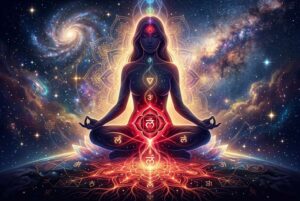
The Heart Chakra, known in Sanskrit as Anahata, is the fourth primary energy center in your body’s chakra system. Located at the center of your chest, this sacred energy hub serves as a bridge between the lower three chakras (which govern survival, pleasure, and personal power) and the upper three chakras (which govern communication, intuition, and spiritual connection). When your Heart Chakra is open and balanced, you experience profound love, compassion, and the ability to give and receive affection freely.
You may think of the Heart Chakra as your spiritual heart—the seat of unconditional love and authentic connection. Unlike the physical heart that pumps blood, this energetic center pumps love, forgiveness, and empathy throughout your being. It’s the source of your capacity to trust others, to forgive yourself and others, and to experience the deepest forms of human connection.
Sanskrit Name & Symbolism
The word “Anahata” translates to “unstruck” or “unhurt” in Sanskrit, referring to the eternal, unchanging nature of love and consciousness. This beautiful name suggests that at your deepest core, you remain untouched by life’s wounds—whole and complete.
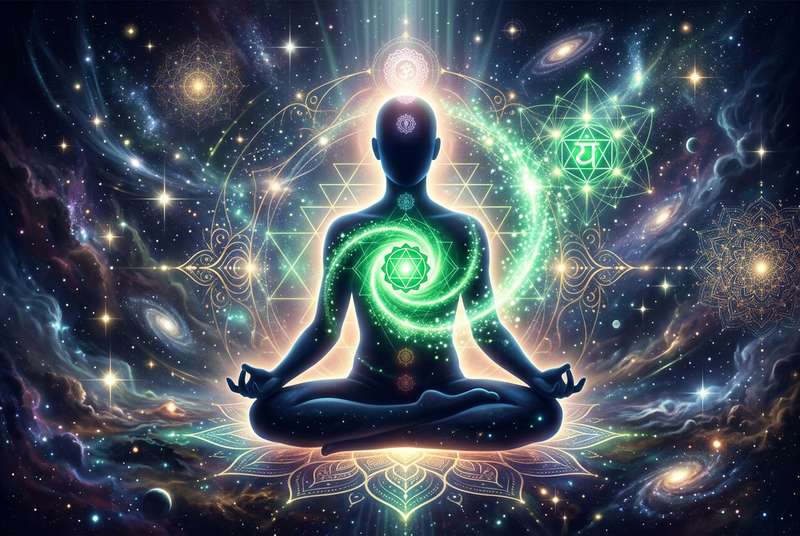
The Heart Chakra is traditionally depicted as a lotus flower with 12 petals, each one representing a different aspect of love and compassion. Within the lotus sits a hexagram (two overlapping triangles), symbolizing the union of masculine and feminine energies, as well as the meeting of heaven and earth within your heart space.
Color, Element & Location
The Heart Chakra radiates with the soothing energy of green, the color of nature, renewal, and healing. Green represents growth, harmony, and the transformative power of love. Many spiritual practitioners also associate pink—the color of gentle, nurturing love—with this chakra, as it embodies compassion and tenderness.
The element associated with the Heart Chakra is Air, which symbolizes freedom, movement, and the invisible bonds that connect all living things. Just as air flows freely and carries energy throughout the world, your Heart Chakra’s energy extends beyond your body to touch the lives of others.
Physically, the Heart Chakra is located in the center of your chest, at the level of your heart. When you place your hand on your heart and take a deep breath, you’re consciously connecting with this powerful energy center.
What the Heart Chakra Governs
Your Heart Chakra is the wellspring of your emotional and relational life. This energy center governs:
- Love – Both romantic love and the universal love that connects all beings
- Compassion – Your ability to empathize with others’ pain and suffering
- Forgiveness – The capacity to release anger, resentment, and past hurts
- Connection – Your openness to intimate relationships and community
- Self-Acceptance – The love and approval you give yourself
- Empathy – Your ability to understand and feel others’ emotions
- Trust – Faith in yourself, others, and the unfolding of your life
- Joy – The natural happiness that flows from an open heart
When your Heart Chakra is in harmony, you move through the world with an open heart, radiating kindness and attracting loving relationships. You’re able to set healthy boundaries while remaining compassionate, and you experience genuine joy in giving to others without depleting yourself.
Signs Your Heart Chakra Is Blocked or Imbalanced
When your Heart Chakra becomes blocked or underactive, you may experience emotional and physical symptoms that signal it’s time for healing. Watch for these signs:
- Emotional isolation – Withdrawing from others and feeling disconnected
- Difficulty trusting – Suspicion and wariness in relationships
- Unresolved grief – Lingering sadness over past losses
- Jealousy and possessiveness – Fear of loss manifesting as controlling behavior
- Lack of self-love – Harsh self-criticism and feelings of unworthiness
- Inability to forgive – Holding onto grudges and past hurts
- Loneliness – Feeling separate and unseen, even in relationships
- Respiratory issues – Shallow breathing, asthma, or upper back tension
- Heart problems – High blood pressure or heart palpitations (consult a doctor)
- Cold demeanor – Appearing emotionally distant or “closed off”
If you recognize several of these signs in yourself, know that this is not permanent. Your Heart Chakra can be healed and rebalanced through dedicated spiritual practice and self-compassion.
Signs of an Overactive Heart Chakra
While we often focus on blocked chakras, it’s equally important to recognize when your Heart Chakra becomes overactive or hyperactive. An overactive Heart Chakra can manifest as:
- Codependency – Over-giving to others at the expense of your own well-being
- People-pleasing – Difficulty saying “no” and abandoning your own needs
- Emotional overwhelm – Taking on others’ emotions as if they were your own
- Suffocating relationships – Excessive neediness or controlling behavior masked as love
- Lack of boundaries – Allowing others to disrespect or drain you
- Jealousy and possessiveness – Fear-based attachment to others
- Chest tension – Physical tightness in the heart area
Balance is key—your Heart Chakra should be open enough to give and receive love, yet grounded enough to maintain healthy boundaries and self-respect.
How to Balance the Heart Chakra
Fortunately, you have many powerful tools at your disposal to awaken and balance your Heart Chakra. Here are concrete, practical methods you can incorporate into your daily life:
Yoga Poses for Heart Opening
- Camel Pose (Ustrasana) – Opens the entire front of your body
- Warrior I (Virabhadrasana I) – Builds strength and heart confidence
- Fish Pose (Matsyasana) – Deep chest opener that directly stimulates the Heart Chakra
- Supported Bridge Pose – Gentle, nourishing heart opener
- Heart-to-Heart Forward Fold – Grounds heart energy while stretching the back
Affirmations for Heart Healing
Repeat these affirmations daily, especially while placing your hand over your heart:
- “I am worthy of love and compassion”
- “My heart is open to give and receive love”
- “I forgive myself and others with ease”
- “I radiate compassion to all beings”
- “I am deeply connected to myself and others”
- “Love flows through me freely and naturally”
- “I choose trust over fear”
Meditation Practices
Dedicate 10-15 minutes daily to heart-centered meditation. Sit comfortably, close your eyes, and visualize a beautiful green light growing brighter at the center of your chest. With each breath, imagine this light expanding, filling your body with healing love. You can also practice loving-kindness meditation (Metta), sending compassion to yourself, loved ones, neutral people, difficult people, and all beings.
Essential Oils & Aromatherapy
Enhance your Heart Chakra healing with these oils:
- Rose – The quintessential heart oil; promotes self-love and compassion
- Geranium – Balances emotions and brings joy
- Green Cardamom – Uplifts the heart and spirit
- Jasmine – Softens the heart and encourages vulnerability
- Lavender – Calms emotional storms and promotes peace
Apply these oils to your heart area, diffuse them in your space, or inhale directly from the bottle.
Heart-Healthy Foods
Nourish your Heart Chakra from the inside out with these foods:
- Green vegetables – Spinach, kale, broccoli, green beans
- Leafy greens – Arugula, lettuce, swiss chard
- Green fruits – Green apples, limes, kiwis
- Herbs – Basil, parsley, cilantro
- Heart-healthy fats – Avocados, raw nuts, seeds
- Healing spices – Cayenne (stimulates circulation), turmeric (anti-inflammatory)
Acts of Kindness & Service
Nothing opens the Heart Chakra faster than genuine acts of service. Volunteer, help a friend, donate to a cause you believe in, or simply offer your undivided attention to someone who needs to be heard. These actions align you with the Heart Chakra’s natural frequency of giving and connection.
Healing Crystals for the Heart Chakra
Crystals are powerful allies in your Heart Chakra healing journey. Each stone carries unique frequencies that resonate with this sacred energy center:
- Rose Quartz – The ultimate heart healer; promotes unconditional love and self-compassion. Carry this pink stone close to your heart or sleep with it under your pillow
- Green Aventurine – The prosperity stone; opens the heart to abundance and opportunity while promoting emotional tranquility
- Malachite – A powerful green stone of transformation; helps release emotional wounds and old patterns
- Jade – Balances the heart; promotes harmony, peace, and emotional healing
- Rhodonite – Addresses emotional wounds and trauma; helps you release pain while maintaining hope
To work with these crystals, hold them in your hands during meditation, wear them as jewelry over your heart, or place them on your altar. You can also create a crystal layout on your chest during relaxation.
Bija Mantra & Sound Healing
The bija (seed) mantra for the Heart Chakra is “YAM.” This sacred sound contains the vibrational frequency of the Heart Chakra itself. When you chant “YAM” (pronounced “yuhm”), you’re sending healing vibrations directly to your heart center.
To practice:
- Sit comfortably and place your hands over your heart
- Take a deep breath in
- On the exhale, chant “YAAAAAAMMM” for as long as your breath allows
- Feel the vibration resonating in your chest
- Repeat for 5-10 minutes daily
You can also listen to recordings of the Heart Chakra frequency (often tuned to 639 Hz), which naturally harmonizes with your heart energy. Many people find that gentle heart-opening music, particularly classical pieces or nature sounds, also facilitates Heart Chakra healing.
Final Thoughts
Your Heart Chakra is the gateway to a life filled with love, connection, and authentic joy. Whether you’re healing from heartbreak, isolation, or simply seeking to deepen your capacity for compassion, remember that this healing is not only possible—it’s your birthright.
As you practice these techniques—whether through yoga, meditation, crystal work, or acts of kindness—be gentle with yourself. Opening the heart takes courage, especially if you’ve experienced pain. Trust the process, honor your feelings, and know that each step you take toward heart healing radiates outward, touching the lives of everyone you encounter.
Your open heart is a gift to the world. Begin today, and watch as love transforms not only your inner landscape but the entire energy of your life.
FAQ
What does Anahata mean in Sanskrit?
Anahata translates to “unstruck” or “unhurt” in Sanskrit, referring to the eternal and unchanging nature of love and consciousness. This name suggests that at your deepest core, you remain whole and untouched by life’s wounds.
What color is the Heart Chakra?
The Heart Chakra is traditionally associated with green, representing nature, renewal, and healing, as well as pink, which embodies gentle, nurturing love and compassion. Both colors reflect the transformative power of love and emotional connection.
Where is the Heart Chakra located in the body?
The Heart Chakra is physically located in the center of your chest at the level of your heart. You can connect with this energy center by placing your hand on your heart and taking a deep breath.
What does the Heart Chakra symbol represent?
The Heart Chakra is depicted as a 12-petaled lotus flower with a hexagram (two overlapping triangles) inside, symbolizing the union of masculine and feminine energies as well as the meeting of heaven and earth. Each petal represents a different aspect of love and compassion.
What element is associated with the Heart Chakra?
The Heart Chakra is associated with the element of Air, symbolizing freedom, movement, and the invisible bonds connecting all living things. Like air flowing freely, your Heart Chakra’s energy extends beyond your body to touch others.