When you’re drawn to divination cards, you’ll quickly encounter two main types: tarot cards and oracle cards. While both serve as powerful tools for spiritual guidance and self-discovery, they function very differently. Understanding the distinction between oracle vs tarot helps you choose the right deck for your intuitive practice and ensures you work with each system in the way it was designed.
Both tarot and oracle cards stem from the ancient practice of cartomancy—using cards to access hidden knowledge and spiritual insight. Yet their structures, symbolism, and reading methods diverge significantly. If you’ve ever wondered whether you should start with a tarot deck or an oracle deck, this guide will clarify exactly what sets them apart.
What Are Tarot Cards? Structure and Tradition
Tarot cards form a complete system of 78 cards divided into two distinct sections: the Major Arcana and the Minor Arcana. This structure has remained consistent for centuries, creating a universal language that tarot readers worldwide recognize and interpret.
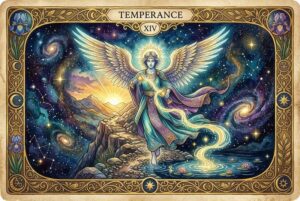
The Major Arcana contains 22 cards, each representing significant life lessons, karmic patterns, and transformative experiences. These cards—from The Fool to The World—map out the soul’s journey through challenges, awakenings, and spiritual evolution. When a Major Arcana card appears in your reading, pay close attention: your guides are highlighting a pivotal moment or deep truth you need to recognize.
The Minor Arcana consists of 56 cards split into four suits: Wands (fire/passion), Cups (water/emotions), Swords (air/intellect), and Pentacles (earth/material world). Each suit contains numbered cards from Ace to Ten, plus four Court Cards (Page, Knight, Queen, King). These cards reflect your daily experiences, smaller decisions, and the energy surrounding specific areas of your life.
This fixed structure means that every traditional tarot deck carries the same archetypal meanings, though the artwork may vary. Whether you’re using the classic Rider-Waite-Smith deck or a modern interpretation, the Seven of Cups still speaks to illusion and choice, and The Tower still signals necessary upheaval.
What Are Oracle Cards? Freedom and Intuition
Oracle cards break free from rigid structure entirely. Unlike the standardized tarot system, oracle decks can contain any number of cards—from 30 to 100 or more—and each deck creates its own unique symbolic language. The creator or artist channels specific themes, messages, and imagery that resonate with their spiritual vision.
This creative freedom means oracle cards are incredibly diverse. You might find decks focused on goddess energy, animal spirits, affirmations, chakras, moon phases, or any spiritual concept the creator wishes to explore. Each card in an oracle deck typically features a keyword, phrase, or direct message alongside evocative artwork designed to spark your intuition.
Because oracle decks lack a universal framework, you work with them more intuitively. There’s no “correct” interpretation to memorize—instead, you allow the card’s imagery, your gut feeling, and the guidebook (if you choose to use it) to deliver the message you need to hear in that moment. This makes oracle cards especially accessible for beginners who might feel intimidated by tarot’s complex system.
Oracle cards excel at providing straightforward guidance, affirmations, and thematic insights. They speak to you more like a wise friend offering perspective than a structured map of consciousness. When you need encouragement, a fresh viewpoint, or confirmation of what you already sense, oracle cards deliver with clarity and warmth.
The Flexibility of Oracle Interpretation
With oracle cards, you’re not bound by traditional meanings or reversed positions. Each deck is self-contained, and many readers work with multiple oracle decks, choosing different ones based on the question or energy they’re exploring. You might pull from an angel oracle deck for spiritual protection guidance, then switch to a botanical oracle deck when you’re seeking grounding and earth wisdom.
Key Differences Between Tarot and Oracle Cards
The distinction between tarot vs oracle cards becomes clearer when you examine their core characteristics side by side:
- Structure: Tarot has a fixed 78-card system; oracle decks vary widely in card count and organization
- Symbolism: Tarot follows established archetypal meanings; oracle cards create unique symbolic languages
- Learning curve: Tarot requires study of traditional meanings; oracle cards are more immediately intuitive
- Reading depth: Tarot offers layered, complex narratives; oracle provides direct, thematic messages
- Reversals: Tarot commonly uses reversed card meanings; oracle cards rarely do
- Suits and structure: Tarot’s four suits create elemental framework; oracle cards have no standard internal organization
Neither system is superior—they simply serve different purposes in your spiritual practice. Many readers work with both, using tarot for in-depth shadow work and life pattern analysis, while turning to oracle cards for daily guidance and quick insight.
Using Tarot Cards in Readings: What to Expect
When you sit down with a tarot deck, you’re tapping into centuries of collective wisdom and archetypal storytelling. Tarot readings tend to be more structured, often using specific spreads like the Celtic Cross, three-card past-present-future, or relationship spreads that assign meaning to each position.
The cards work together to create a narrative, with Major Arcana cards highlighting the major themes and Minor Arcana cards filling in the details and context. A single tarot reading can reveal patterns in your behavior, illuminate hidden motivations, predict likely outcomes based on current energy, and offer guidance for course-correction.
Tarot doesn’t shy away from difficult truths. The Tower card might arrive to warn you that a necessary destruction is coming. The Five of Pentacles might show you where you’re experiencing lack or isolation. The Devil card could point to unhealthy attachments you need to acknowledge. This unflinching honesty makes tarot an exceptional tool for shadow work and personal transformation.
Because tarot’s meanings are established, you can also study card combinations and develop a sophisticated understanding of how cards interact and modify each other’s messages. This depth rewards dedicated study and creates a rich, nuanced reading practice.
Using Oracle Cards in Readings: Intuitive Guidance
Oracle card readings feel more like a conversation with your higher self or spirit guides. You might pull a single card as a daily message, draw three cards for insight into a specific question, or create your own intuitive spread based on what feels right.
The messages from oracle cards tend to be more encouraging and affirmational, though they can certainly highlight areas where you need to shift your energy. If you’re struggling with self-doubt, an oracle card might appear with a message like “You Are Enough” or “Divine Timing.” These direct affirmations provide the emotional support and perspective shift you need.
Oracle cards also excel as a gateway to developing your intuitive abilities. Without prescribed meanings to lean on, you’re forced to trust your inner knowing, observe your emotional response to the imagery, and allow messages to come through your own psychic channels. This makes oracle cards an excellent training ground for strengthening your intuition.
Many readers use oracle cards to clarify or expand on tarot readings. After pulling several tarot cards, you might draw an oracle card asking “What do I most need to know about this situation?” The oracle card often provides the emotional key or perspective shift that helps everything click into place.
Which Should You Choose: Tarot or Oracle Cards?
If you’re drawn to structured learning, archetypal wisdom, and readings that reveal complex patterns and deep psychological insight, tarot is your path. Choose tarot when you want a comprehensive divination system that grows richer the more you study it.
If you prefer intuitive, theme-based guidance and appreciate the artistic freedom of diverse decks, oracle cards will resonate with you. Choose oracle when you want encouraging messages, quick daily pulls, and a more immediately accessible divination practice.
The truth is, you don’t have to choose. Most readers eventually work with both systems, allowing each to serve its unique purpose in their spiritual toolkit. You might consult tarot for monthly or seasonal readings that map out bigger patterns, while pulling oracle cards daily for inspiration and guidance.
Your intuition will guide you to the right deck at the right time. Trust the pull you feel toward certain imagery, themes, and systems. The cards that call to you are the ones meant to speak to your soul.
Combining Tarot and Oracle Cards in Your Practice
Many experienced readers integrate both tarot and oracle cards into their readings, creating a powerful hybrid approach. You might start with a tarot spread to understand the situation’s core dynamics, then pull an oracle card to receive the overarching message or action step.
This combination honors tarot’s analytical depth while adding oracle’s intuitive warmth. The tarot cards show you the what and why, while the oracle card illuminates the how or offers the encouragement you need to move forward with confidence.
Some readers also use oracle cards as daily draws to stay connected to their spiritual practice between more intensive tarot sessions. This rhythm creates a sustainable divination practice that provides both deep periodic insight and consistent daily guidance.
FAQ: Tarot vs Oracle Cards
Can beginners start with tarot cards or are oracle cards easier?
Oracle cards are generally more beginner-friendly because they don’t require memorizing traditional meanings—you can work purely from intuition and the guidebook. However, if you’re drawn to tarot’s structure and enjoy studying symbolic systems, starting with tarot is perfectly fine. Choose whichever resonates with your learning style.
Do tarot and oracle cards require different reading techniques?
Yes, tarot readings typically follow established spreads and interpretive frameworks, incorporating card positions, reversals, and card combinations. Oracle readings are more freeform and intuitive, often involving simple one-card or three-card pulls with personal interpretation based on the deck’s unique themes and your immediate intuitive response.
Can I use oracle cards and tarot cards together in the same reading?
Absolutely. Many readers pull tarot cards for the main reading structure and then draw an oracle card as a summary message or clarifying insight. This combination provides both analytical depth and intuitive affirmation, creating a well-rounded reading experience.
Are reversed cards used in oracle decks like they are in tarot?
Oracle cards rarely use reversed positions. Most oracle readers interpret cards upright only, allowing the deck’s designed messages to come through clearly. Tarot commonly incorporates reversals to add nuance and show blocked or internalized energy, but this isn’t part of standard oracle card practice.