Starting your tarot journey can feel overwhelming when you’re staring at 78 cards and wondering where to begin. A tarot spread gives structure to your reading — it tells each card where to sit and what question to answer. Without that framework, the cards remain silent. With it, even a single card can reveal what you’ve been carrying for weeks. These five beginner-friendly tarot spreads will help you build confidence, develop your intuition, and get meaningful answers without complicated layouts or years of study.
You don’t need elaborate rituals or psychic gifts to read tarot. What you need is curiosity, a clear question, and a simple structure that guides your interpretation. These spreads are designed for real situations — career crossroads, relationship questions, daily guidance, and moments when you need to choose between two paths. Each layout builds on the last, helping you grow from single-card clarity to multi-card storytelling.
When to Use Beginner Tarot Spreads
These five layouts work best when you’re building your tarot foundation. Use them during your first weeks and months with a new deck, when you’re still learning card meanings and haven’t yet developed a personal reading style. They’re perfect for morning rituals, decision-making moments, relationship check-ins, and emotional wellness practices.
The single-card pull serves as your daily compass — ideal before work meetings, difficult conversations, or whenever you need quick guidance. The three-card spread handles most life questions with elegant simplicity. Turn to the decision spread when you’re torn between two choices and need to see the energy of each path. The self-care spread becomes essential during stressful periods when you’ve lost touch with your needs. And the relationship spread offers insight whenever you’re curious about the dynamic between yourself and another person.
These aren’t just practice exercises. Many experienced readers return to these foundational spreads because they cut through complexity and deliver direct answers. Start here, and you’ll discover that simple doesn’t mean shallow — it means focused.
How to Prepare for Any Tarot Spread
Before you shuffle a single card, take three preparatory steps that transform a random pull into an intentional conversation. First, form one clear question. Avoid vague intentions like “tell me about my life” or “what’s happening with me.” Instead, ask “what’s blocking my career growth right now?” or “what does this person really feel about our connection?” Specific questions yield specific answers.
Second, sit in stillness for at least two minutes. Close your eyes, breathe deeply, and let the mental noise settle. This brief meditation separates distracted pulling from intuitive reading — especially important if you’re coming to the cards after an argument, disappointing news, or emotionally charged situation. Your nervous system needs a moment to recalibrate.
Third, trust your first instinct when you flip each card. That immediate gut response — before you reach for the guidebook — carries your intuition. Write it down, even if it seems random or doesn’t make logical sense. Then cross-reference the traditional meanings. You’ll be surprised how often your first impression aligns with the card’s deeper wisdom. This practice trains your psychic muscle and builds confidence in your natural interpretive abilities.
Spread 1: The Single-Card Daily Pull
The single-card pull is the foundation of every tarot practice. Draw one card each morning to receive guidance for the day ahead. This deceptively simple spread builds your relationship with the deck faster than any other method because you’re engaging with the cards daily, watching how their messages unfold in real time, and learning through direct experience rather than memorization.
Pull your card after you wake but before you check your phone. Hold your question clearly in mind — “what energy should I carry today?” or “what do I need to know right now?” or “what’s my focus for this situation?” Shuffle until you feel ready, then draw from wherever your hand is pulled. Place the card in front of you and sit with it for a minute before reaching for interpretations.
Notice the imagery first. What catches your eye? What emotion does the card evoke? If it’s a Major Arcana card, you’re dealing with significant energy or a life lesson. Court cards often represent people or aspects of personality. Number cards speak to everyday situations and energies. Let the card speak to you personally before you consult any book — this is where your intuition develops.
Spread 2: The Three-Card Layout
The three-card spread is tarot’s most versatile structure. You can adapt it to answer almost any question by shifting what each position represents. The most common variation is Past-Present-Future, but you can also use Situation-Action-Outcome, Mind-Body-Spirit, You-Them-Relationship, or create your own framework based on what you need to explore.
Lay three cards in a horizontal line from left to right. The simplicity of this arrangement keeps you focused on the core story rather than getting lost in complicated position meanings. When you’re learning card interpretations, three cards offer enough depth for insight without overwhelming you with too many pieces to synthesize.
For a Past-Present-Future reading about a specific situation, the first card shows what led to this moment — the foundation or history. The middle card reveals where you stand right now — current energy, challenge, or opportunity. The third card indicates where this path is heading if you continue on your current trajectory. Remember that tarot shows possibilities, not fixed outcomes. Your choices still matter.
Position 1: Past/Foundation
This position reveals the roots of your current situation. Look for patterns, past decisions, or inherited beliefs that shaped where you are now. If you pull the Five of Pentacles here, past financial struggle or feelings of exclusion inform your present circumstances. The Lovers might indicate a past choice or relationship that set everything in motion.
Don’t interpret this card as ancient history. “Past” can mean last week or even earlier today — whatever directly led to this moment. Pay attention to whether the card feels resolved or unfinished. Unresolved past energy (like the Five of Cups showing lingering grief) suggests you’re still carrying something that needs acknowledgment before you can move forward fully.
Position 2: Present/Current Energy
The middle card is your mirror. It reflects your current state — emotionally, mentally, spiritually, or practically depending on your question. This card often surprises you because it shows what’s actually happening rather than what you think is happening. If you drew the Eight of Swords, you might be feeling more trapped than you realized. The Star suggests hope and healing are already present, even if you haven’t fully recognized them.
Consider whether this card feels accurate to your lived experience. If it doesn’t match your conscious understanding, it’s likely pointing to something beneath the surface — a blind spot or hidden aspect of the situation. Sit with the discomfort of that gap. The truth usually lives in the space between your assumptions and what the cards reveal.
Position 3: Future/Outcome
This position shows the natural progression of current energies if nothing changes. It’s not destiny — it’s trajectory. Think of it as “if you keep walking this path, here’s where it leads.” The Ten of Cups suggests harmony and emotional fulfillment ahead. The Tower warns of necessary disruption approaching. The Wheel of Fortune indicates a turning point or change beyond your control.
When you receive a challenging card here, remember it’s showing you a potential future you can still influence. The cards offer warning and guidance, not punishment. A difficult outcome card is an invitation to examine what needs to shift now. Conversely, a positive outcome doesn’t mean you can stop trying — it shows what’s possible when you continue with intention and effort.
Spread 3: The Decision-Making Layout
When you’re standing at a crossroads — two job offers, whether to stay or leave a relationship, choosing between different paths — this spread brings clarity. You’ll draw three cards: one representing the energy of Option A, one for Option B, and one showing the underlying advice or insight that helps you choose.
Before you shuffle, clearly name your two options out loud or write them down. Be specific. Not “should I change careers or stay” but “if I take the marketing manager position” versus “if I pursue the freelance consulting path.” The more precisely you define each option, the more useful the reading becomes.
Lay the first card on the left (Option A), the second on the right (Option B), and the third in the center below them (Insight). Look at the energy, not just whether cards appear “good” or “bad.” The Three of Swords under Option A doesn’t necessarily mean that choice is wrong — it might mean that path involves necessary grief or the courage to cut away what no longer serves. Meanwhile, a “positive” card like the Four of Wands under Option B might reveal that choice leads to stability — but is that what you actually need right now?
Option A Card
This card shows the energy, challenge, and potential of your first path. Look beyond surface-level interpretations. If you pull a Sword card, that option likely involves mental clarity, difficult truths, or communication challenges. Pentacle cards suggest practical, material, or financial considerations. Cups speak to emotional fulfillment. Wands indicate passion, creativity, and inspired action.
Notice how this card makes you feel. Your emotional response is data. If you pulled the Emperor and feel restricted, that tells you something about whether you want that kind of structure right now. If the Eight of Wands excites you, that enthusiasm matters as much as the card’s traditional meaning of swift movement and momentum.
Option B Card
This position mirrors Option A but for your alternative path. Compare the two cards side by side. Which feels more aligned with your values? Which challenges you in ways you’re ready to meet? Sometimes both options show difficulty — and that’s useful information. It means this decision isn’t about avoiding hardship but choosing which hardship serves your growth.
Pay attention to whether one card feels like forward movement while the other feels like maintaining the status quo. Neither is inherently better — it depends on what your life needs right now. The Four of Cups might suggest Option B leads to contemplation and temporary withdrawal, while the Chariot under Option A indicates charging ahead with determination. Which energy calls to you?
Insight Card (Center)
This is your guidance card — the wisdom that helps you choose. It might reveal what you’re really seeking beneath the surface decision. It might point to a hidden factor you haven’t considered. Sometimes it confirms one option clearly. Other times it suggests a third way you hadn’t imagined.
If you pull a Major Arcana card here, pay extra attention. These cards speak to soul-level needs and life lessons. The Hermit might be saying you need solitude and inner work more than either external option. Death suggests this choice is really about transformation and letting go of an old identity. The Sun reminds you to choose joy and authenticity over fear or obligation.
Spread 4: The Self-Care Check-In
This three-card spread serves as your wellness compass when you feel burned out, anxious, or disconnected from yourself. It asks three direct questions: What do I need emotionally? What do I need spiritually? What’s one action I can take today? This layout works beautifully during overwhelming periods when you’ve been giving too much to others and have neglected your own needs.
Draw this spread weekly or whenever you notice yourself running on empty. Don’t wait until you’re in crisis. Regular check-ins with these three positions help you course-correct before small imbalances become major breakdowns. Lay the cards horizontally — emotional need on the left, spiritual need in the center, immediate action on the right.
Emotional Need
This card reveals what your emotional body is craving right now. The Two of Cups might indicate you need connection and authentic conversation. The Four of Swords suggests your emotions need rest — permission to stop processing and simply be quiet. The Queen of Cups reminds you to honor your feelings rather than rationalizing them away.
Listen to what this card is asking for without judgment. If you pull the Five of Pentacles, you might be feeling isolated or unsupported — that’s valuable information, not a character flaw. Your emotional needs are legitimate even when they’re inconvenient or seem “too much.” This position gives you permission to acknowledge what’s true.
Spiritual Need
Spirituality here means whatever connects you to something larger than your daily concerns — whether that’s nature, meditation, creativity, prayer, ritual, or simply moments of wonder. This card shows how to feed your soul right now. The Hermit suggests you need solitude and inner reflection. The Star points toward hope, healing practices, and reconnection with your authentic self.
Your spiritual need might differ dramatically from your emotional one — and that’s exactly why this spread uses both positions. You might emotionally need comfort while spiritually needing challenge. Or emotionally need solitude while spiritually needing community. Both truths can coexist. Both deserve attention.
Action to Take Today
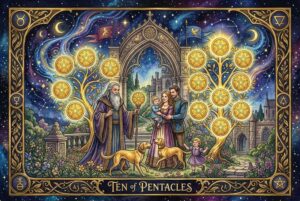
This card translates insight into practical next steps. It answers “what can I actually do right now?” If you pulled the Ace of Cups, the action might be reaching out to someone you trust and having an honest conversation. The Ten of Pentacles could suggest spending time with family or focusing on home and security. The Eight of Swords might paradoxically be asking you to do nothing — to sit with discomfort rather than rushing to fix it.
Keep this action simple and immediate. You’re not committing to a complete life overhaul. You’re taking one small step today that honors what the first two cards revealed. Small consistent actions create sustainable change. Grand dramatic gestures often lead to burnout and abandonment of self-care altogether.
Spread 5: The Relationship Snapshot
This three-card layout offers quick insight into the energy between you and another person — romantic partner, friend, family member, colleague, or even yourself. The positions are: You in this dynamic, Them in this dynamic, The energy between you. It’s refreshingly straightforward and surprisingly revealing about compatibility, communication patterns, and shared growth opportunities.
Before you draw, focus on the specific relationship you’re exploring. Hold both people clearly in your awareness. Shuffle while considering the connection as a whole — not just what you want it to be, but what it actually is right now. Lay the cards left to right: You, Them, Dynamic.
You in This Relationship
This card reflects how you show up in this connection — your role, your energy contribution, what you bring to the dynamic. The Knight of Wands might indicate you’re the passionate initiator, always suggesting new adventures. The Queen of Pentacles could show you as the practical nurturer, creating stability and comfort. The Five of Swords suggests you might be bringing defensiveness or win-lose thinking.
Be honest about what this card reveals, even if it’s uncomfortable. You might discover you’re playing a role you don’t actually want — the caretaker who never receives care, the supporter who never gets support, the comedian who deflects serious conversation. This awareness is the first step toward shifting the pattern. Sometimes the most loving thing you can do is stop performing a role that drains you.
Them in This Relationship
This position shows how the other person operates within this connection. What energy do they contribute? What role do they occupy? The Page of Cups might indicate they bring curiosity, emotional openness, and gentle energy. The King of Swords suggests they offer clarity, logic, and direct communication — for better or worse. The Moon could reveal they’re not showing you their full self, that there’s something hidden or unclear about their position.
Remember you’re seeing their energy through the lens of this specific relationship, not their entire personality. Someone might be the Seven of Pentacles with you (patient, willing to invest long-term) while being the Eight of Wands (impulsive, fast-moving) with someone else. Context matters. You’re reading the dynamic, not performing a personality diagnosis.
The Energy Between You
This card is where the magic happens — it shows the unique alchemy created when your energies combine. Sometimes the dynamic card is more positive than either individual card. Sometimes it’s more challenging. The Two of Cups suggests natural harmony and mutual affection. The Five of Wands indicates ongoing tension, competition, or conflicting approaches that create friction. The Hierophant might mean your connection involves tradition, learning from each other, or serving as guides in each other’s lives.
This position often reveals what neither person sees clearly on their own. You might both feel things are fine while the Ten of Swords suggests the dynamic is exhausted and needs significant change. Or you might both feel uncertain while the Lovers shows a genuinely powerful soul connection that just needs courage to fully embrace. Trust what this card reveals over your assumptions about what “should” be happening.
Reading the Cards Together: Creating a Story
Individual card meanings matter, but tarot readings come alive when you weave the cards into a coherent narrative. After you’ve considered each position separately, step back and look at the spread as a whole. What story emerges? Do you see progression from challenge to resolution? Recurring themes across positions? Contrasts that create tension or insight?
Notice which suit dominates your spread. Lots of Cups suggest emotional themes. Multiple Swords indicate mental processes, conflict, or communication issues. Pentacles ground everything in practical reality. Wands bring passion and creative energy. A balanced mix of suits shows a well-rounded situation. A spread entirely in one suit suggests you’re looking at only one dimension of a multi-faceted issue.
Pay attention to the numbers. Sequential numbers (like Three, Four, Five) often indicate a natural progression. Repeated numbers suggest that theme is particularly important right now — multiple Fives might mean you’re in a period of necessary conflict and change across different life areas. Court cards appearing together indicate other people’s influences or different aspects of personality at play. Major Arcana cards elevate the entire reading to soul-level significance rather than everyday concerns.
Sample Reading Example: Three-Card Career Question
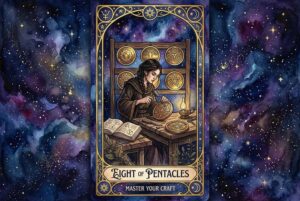
Question: “Should I ask for the promotion I want?” Spread: Past-Present-Future. Cards drawn: Eight of Pentacles (Past), Three of Swords (Present), Queen of Wands (Future).
The Eight of Pentacles in the past position shows you’ve been diligently working, mastering your craft, putting in the hours and developing expertise. You’ve laid a solid foundation of skill and dedication. This card validates that your desire for promotion isn’t baseless — you’ve genuinely earned consideration through consistent effort and competence.
The Three of Swords in the present position reveals current heartbreak or disappointment — perhaps you feel overlooked, undervalued, or hurt by being passed over before. There might be painful clarity about how your contributions aren’t being recognized. This card doesn’t say “don’t ask” — it says “acknowledge the wound first.” You’re asking from a place of hurt, which is important information. Can you make this request from empowered clarity rather than proving your worth?
The Queen of Wands as the outcome suggests that stepping into this request with confidence, passion, and authentic self-assurance leads to a powerful position — whether you get this specific promotion or not. This card is you owning your value. The reading says: Yes, ask. Not because success is guaranteed, but because claiming your worth and expressing your ambition clearly is the path to becoming the Queen of Wands. That transformation matters more than any title.
Common Mistakes to Avoid with Beginner Spreads
Pulling cards until you get the answer you want. If you don’t like what the cards say, the solution isn’t to shuffle and try again until they tell you what you want to hear. That trains your intuition to lie. Instead, sit with uncomfortable messages. They usually contain truth you need.
Forgetting to ground your question in reality. “Will I win the lottery?” isn’t a useful tarot question because it’s about random chance, not energy or choice. Ask questions you have genuine power to influence: “What’s blocking my financial abundance?” or “How can I improve my relationship with money?”
Ignoring challenging cards in favor of positive ones. When you pull the Three of Swords and the Ace of Cups in the same spread, don’t focus only on the Ace because it feels better. The Three of Swords holds essential information. Difficult cards aren’t punishments — they’re diagnostic tools showing you what needs attention.
Over-complicating simple spreads with extra cards. If your three-card spread gives you a clear answer, don’t pull “just one more” for clarity. Trust what you received. Adding cards usually comes from anxiety rather than genuine need for more information. Practice accepting the wisdom of simplicity.
Reading for the same question multiple times in one day. Give readings time to unfold in your actual life before asking the same question again. Energy needs space to shift. If you pull cards about a decision Monday morning, wait at least a week before asking about that same decision again. Let reality teach you what the cards meant.
Final Thoughts
These five spreads will serve you for years, not just weeks. Master them before moving to elaborate layouts. The best readers aren’t those who know the most complex spreads — they’re the ones who extract profound wisdom from simple structures. Your journey with tarot begins with curiosity, not expertise. Start with one card tomorrow morning. See what it teaches you. Build from there. The cards are waiting to speak. All you have to do is listen.
FAQ
How often should beginners practice tarot spreads?
Daily single-card pulls build your skills fastest. For multi-card spreads, 2-3 times per week gives you enough practice without overwhelming yourself. Quality matters more than quantity — one mindful reading teaches you more than five distracted ones.
Do I need to cleanse my cards between beginner spreads?
Only if your cards feel energetically heavy or you’re reading for multiple people in one session. For personal daily practice, cleansing isn’t necessary. Simple shuffling resets the deck. Trust your intuition — if the cards feel “off,” use smoke, sound, or moonlight to clear them.
Can I create my own tarot spread as a beginner?
Yes, once you understand how positions work. Start by modifying these five spreads — change “Past-Present-Future” to “Problem-Cause-Solution” or “Fear-Truth-Action.” Custom spreads develop naturally as you identify what questions you actually need answered. Your unique life requires unique structures.
What if the cards don’t seem to answer my question?
The cards always answer — but sometimes they answer a different question than you asked because it’s what you actually need to hear. If your reading feels off-topic, consider whether the cards are redirecting you to the real issue beneath your surface question. Write down the reading and revisit it in a few days — meanings often clarify with time.