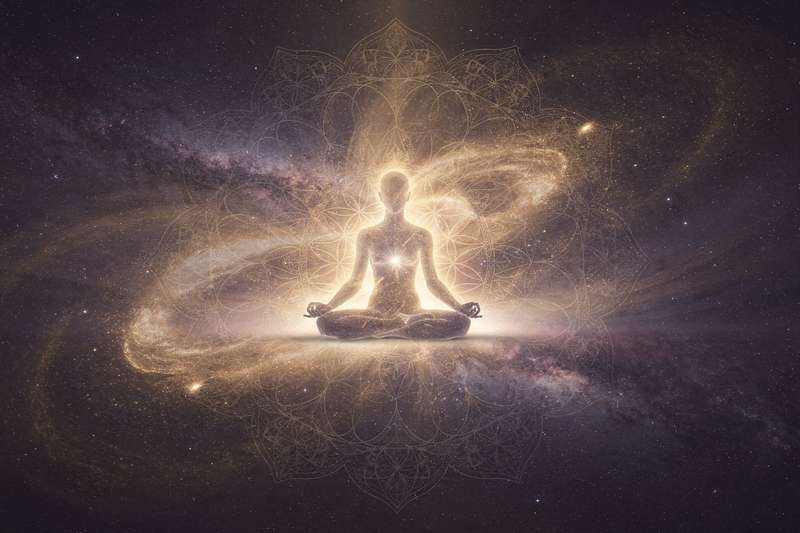
Aura colors and their meanings have been studied across spiritual traditions for centuries — and for good reason. Your aura, that luminous energy field surrounding your physical body, is far more than a mystical concept. It is a living map of your emotions, your spiritual state, and the chakra energy flowing through you right now. Whether you carry a steady blue, a radiant gold, or a shifting rainbow, each aura color carries a distinct message worth paying attention to.
Most people hold a dominant aura color that reflects their consistent personality and energetic patterns, while secondary hues appear and fade as life changes. Someone moving through grief may show darker tones; someone in a season of growth might radiate green or gold. Your aura is not fixed — it breathes and evolves right alongside you.
What Are Aura Colors and How Do They Work?
An aura is the electromagnetic energy field surrounding every living being. It responds to your emotions, your health, your relationships, and your spiritual development. Skilled readers — and some specialized cameras — can perceive this field as a wash of light extending beyond the physical body, visible in shades that each carry their own meaning.
The seven primary aura colors mirror the seven chakras: the energy centers running from the base of your spine to the crown of your head. But aura readings extend well beyond those seven. Silver, gold, brown, gray, pink, black, and rainbow hues each carry their own significance. Understanding the full spectrum gives you a richer, more honest view of your inner world.
“The more colorful, clearer, and brighter the aura, the stronger the person is spiritually — and the more evenly their energy flows through the body.”
Complete Aura Color Meanings: Red Through Rainbow
Each color tells a story. Here is a detailed breakdown of the most significant aura colors, what they reveal about your energy, and which chakra they speak to.
Red Aura
Red is the color of the root chakra — grounded, physical, and direct. If red shows strongly in your aura, you likely act fast, feel deeply, and rarely hesitate once your mind is made up. Red aura people learn by doing rather than by following instruction manuals, and they bring passionate, fiery energy to everything they touch. A balanced red aura signals courage and vitality. An imbalanced one can tip into anger, impatience, or physical burnout.
Orange Aura
Orange connects to the sacral chakra — the seat of creativity, emotion, and self-expression. People with orange in their auras tend to be warm, sociable, and energized by new experiences. They often learn their biggest life lessons through lived experience rather than theory. When balanced, an orange aura radiates joy and creative flow. When imbalanced, it may show as restlessness or intense emotional swings.
Yellow Aura
Yellow belongs to the solar plexus chakra, the center of personal power and identity. A yellow aura signals someone sunny, charismatic, and intellectually curious, often with a magnetic quality that draws different kinds of people toward them. Bright yellow can suggest a period of spiritual awakening or heightened clarity. Dull or dark yellow may point to overthinking, perfectionism, or performance pressure.
Green Aura
Green is the color of the heart chakra and speaks directly to love, compassion, and healing. If green appears in your aura, your heart is naturally open — you likely feel a deep connection to music, nature, and the people you care for. The shadow side of green is a tendency to absorb others’ emotions, over-give, or struggle with firm boundaries. Clear, bright green often marks natural healers and devoted caregivers.
Pink Aura
Pink shares the heart chakra frequency with green, carrying a softer and more tender vibration. A pink aura reveals someone who truly lives from the heart — kind, emotionally open, and genuinely nurturing. You likely see potential in people before they see it themselves. The key practice for pink aura individuals is learning to hold boundaries so that deep tenderness does not become habitual self-sacrifice.
Blue Aura
Blue resonates with the throat chakra — truth, expression, and authentic communication. People with blue in their auras operate largely in mental and intuitive realms, and they can be powerfully insightful guides and communicators. The watch point: blue aura individuals sometimes drift so far into their inner world that grounding themselves in physical reality becomes a practice they must actively choose.
Indigo Aura
Indigo belongs to the third-eye chakra — deep perception, empathic sensitivity, and inner vision. If your aura carries indigo, you likely absorb the thoughts, feelings, and emotional weight of those around you without trying to. The darker the indigo, the more intense this sensitivity becomes. Energetic protection and regular grounding are essential practices for indigo aura individuals.
Purple Aura
Purple connects to both the third-eye and sometimes the crown chakra, signaling strong intuition, spiritual awareness, and a mind naturally drawn to deeper meaning. Purple aura people are often visionaries, creatives, and natural guides who perceive what others overlook. When balanced, they carry genuine wisdom. When imbalanced, they may retreat into spiritual escapism or lose their footing in everyday practical life.
White Aura
White is linked to the crown chakra — the gateway to universal consciousness and spiritual oneness. A white aura is rarer and signals a quick, clear mind with a strong sense of connection to something larger than the self. It can also indicate perfectionism or nervous energy. White aura individuals often prioritize spiritual growth over material acquisition and bring a calm, pure presence to those around them.
Black Aura
A black aura is not a permanent verdict — it is a signal. It most commonly indicates exhaustion, unprocessed grief, carried anger, or a period of intense internal transformation. Think of it as your energy field asking for rest, compassionate support, and release rather than continued output. With care and healing attention, the aura can shift toward lighter, clearer tones.
Gray Aura
Gray carries a similar message to black but at a gentler volume — uncertainty, emotional fog, or a pause between life chapters. If gray shows in your aura, you may be between phases, not yet settled into a clear direction. It does not mean something is wrong; it simply means your energy is still forming, and space for quiet reflection is what you need most right now.
Gold Aura
A gold aura is luminous and meaningful, bridging the confidence of the solar plexus chakra with the wisdom of the crown chakra. Gold aura individuals often carry natural leadership and a genuine desire to uplift those around them. The shadow side of gold can appear as spiritual pride or the exhausting pressure to always perform at the highest level.
Silver Aura
Silver points to intuition, feminine energy, inner wisdom, and a strong attunement to subtle energies and dream states. People with silver in their auras are deeply receptive — they notice what others miss. An imbalanced silver aura may struggle with absorbing too much environmental energy, making energetic cleansing and grounding practices especially valuable.
Brown Aura
Brown is the aura of stability, practicality, and real-world grounding, rooted in root chakra themes. If brown shows strongly, you are likely focused on tangible responsibilities — home, finances, family, career. A balanced brown aura reveals dependable, steady strength. An imbalanced brown may indicate feeling stuck in routine, overly serious, or disconnected from spiritual joy and inner growth.
Rainbow Aura
A rainbow aura — when multiple vibrant colors appear simultaneously — signals a period of intense transformation, high creative energy, or significant life change. You may feel unusually alive and open to new possibility. The caution: this scattered, multi-directional energy can tip into overwhelm if rest and focus are neglected. Honor both the electricity and the need for stillness.
The Chakra Connection: Why Aura Colors and Energy Centers Mirror Each Other
Seven of the primary aura colors map directly onto the seven chakras of the body. Both systems describe the same underlying field of energy — just from different vantage points.
- Root chakra → Red — safety, survival, physical grounding
- Sacral chakra → Orange — creativity, emotion, pleasure, self-expression
- Solar plexus chakra → Yellow — identity, personal power, confidence
- Heart chakra → Green & Pink — love, compassion, emotional healing
- Throat chakra → Blue — truth, voice, authentic expression
- Third-eye chakra → Indigo & Purple — intuition, perception, inner vision
- Crown chakra → White & Violet — spiritual connection, unity, higher awareness
When a particular color dominates your aura, it often signals which chakra is most active — or most in need of care. Heavy darkness concentrated in a specific area of the aura can point to a depleted or blocked chakra in that region of the body.
Bright, Light, Dark, and Dull: How Aura Color Shades Change the Message
The shade of a color matters as much as the color itself. Two people can both carry blue in their auras and tell very different stories with it.
- Bright, clear colors — energy flows freely and is easy to express. Bright green suggests wide-open compassion; bright yellow signals confidence and mental clarity.
- Light, soft colors — a gentle and sensitive expression. Light pink points to tenderness; light blue suggests peaceful, honest communication.
- Dark colors — depth and intensity, which is not always negative. Dark purple may signal profound spiritual focus; dark blue can indicate unspoken emotions or deep internal wisdom.
- Dull or muddy colors — stress, confusion, or blocked expression. Muddy green can point to jealousy or over-giving; dull yellow may reflect lost enthusiasm or anxiety about performance.
How to See and Read Your Own Aura Color
You do not need to be a trained intuitive to begin exploring your aura. Here are two simple, time-tested approaches anyone can try:
- The hand method: Hold your hand against a plain white wall with your palm facing you. Soften your gaze — not staring hard, but letting your focus go slightly fuzzy. Pay attention to the outline of your fingers. With practice, you may begin to notice a faint glow or colored corona forming around them.
- The mirror method: Stand before a large mirror in a softly lit room with a neutral background behind you. Rest your gaze gently on the center of your forehead — the brow point — for 30 to 60 seconds without looking away. Allow your peripheral awareness to slowly expand outward. Notice any subtle shifts in light or color forming around your head and shoulders.
Consistent practice — even 10 to 15 minutes daily — builds what is sometimes called auric sight. Many spiritual studios and fairs also offer aura photography using Kirlian-style technology, which captures your energy field as a visual image you can study and revisit.
Spiritual Lessons Your Aura Colors Are Pointing Toward
Your aura is one of the most honest reflections of your inner state. It does not perform for an audience. When you sit with the colors present in your field — and genuinely ask what they are asking of you — you receive real insight into where you are on your path.
Some questions worth sitting with:
- Which color feels most truthful to your current energy — not the one you wish you had, but the one that honestly matches your mood and life season?
- Is your dominant color appearing bright and clear, or dull and heavy?
- Which chakra does that color connect to, and what might that chakra be asking you to heal or strengthen?
- Have your aura colors shifted after periods of deep healing, loss, or spiritual deepening?
Positive Signs and Warning Signs in Your Aura
Not every aura signal calls for alarm — many are markers of genuine alignment and growth. Here is how to distinguish between the two:
Positive Aura Signs
- Bright, clear colors that feel light and active in the field
- A consistent dominant color that aligns with your core values and natural strengths
- Rainbow energy during a genuine season of transformation or creative expansion
- White or gold tones indicating spiritual clarity and connection to something greater
- Open green or pink signaling a loving, receptive heart chakra
Aura Signs That Call for Attention
- Heavy black or dark gray areas pointing to exhaustion, unprocessed grief, or energetic depletion
- Dull, muddy versions of any color — especially muddy yellow (anxiety) or murky green (resentment)
- Scattered rainbow energy without corresponding rest or grounding
- Persistent dark red indicating chronic stress or unresolved anger
- A flat, colorless, or uniformly gray wash suggesting disconnection and a need for energetic support
Final Thoughts
Understanding aura colors and their meanings is not about fixing yourself into a single category. Your aura breathes, shifts, and grows just as you do. One season you may radiate with yellow confidence and solar warmth; another may find you resting in the deep, sensitive stillness of indigo. Both are valid. Both carry wisdom for exactly where you are right now.
Use what you have learned here as a living guide — not a label. Check in with your aura regularly. Notice what shifts, what stays, and what those changes reflect about your inner life. Over time, this becomes a quiet and genuinely powerful form of self-knowledge: one that speaks from the soul rather than the mind.
Your aura tells the truth. Learning to listen to it is one of the most grounding and illuminating spiritual practices you can cultivate.
Frequently Asked Questions About Aura Colors and Their Meanings
What is the most common aura color?
There is no scientifically confirmed ranking of aura colors by frequency. Among practitioners and aura readers, blue, green, yellow, and purple are most commonly observed — likely because they correspond to chakras most active in daily emotional, communicative, and intuitive life. The color you carry most consistently tends to reflect your dominant personality traits and long-standing energetic patterns.
Can your aura color change over time?
Yes — aura colors are widely understood to shift in response to your emotions, health, relationships, and spiritual growth. A core color may stay present for years while secondary hues appear and dissolve based on what you are currently experiencing. Many people notice significant aura shifts during major life changes, healing periods, or spiritual awakenings.
What does a black aura mean?
A black aura most commonly signals exhaustion, unprocessed grief or anger, emotional heaviness, or a deep period of internal transition — not evil or permanent spiritual damage. It is a clear message from your energy field to rest, release, and seek support. With conscious care and healing attention, the aura can and does shift toward lighter, clearer expressions.
How do I find out what my aura color is?
You can explore your aura through the soft-gaze hand or mirror technique described above, through aura photography at a spiritual studio, or through honest self-reflection — noticing which colors you feel consistently drawn to, your dominant emotional patterns, and which chakra themes feel most alive in your current life. All of these are valid entry points for self-discovery.