What Are Lunar Herbs and Why Do They Matter?
Herbs for moon magic — often called lunar herbs — are plants that share a deep spiritual and energetic affinity with the moon. Long before modern botany, herbalists across Celtic, Hindu, Greek, and Indigenous traditions recognized that certain plants mirror the moon’s qualities: they bloom at night, carry silver or white flowers, grow near water, or hold cooling and calming properties. Working with these lunar herbs in your rituals adds a layer of botanical wisdom that connects you to thousands of years of sacred practice.
Whether you brew them into ritual teas, burn them as incense, add them to bath water, or simply place them on your altar, lunar herbs help you attune to the moon’s rhythm — amplifying intention, sharpening intuition, and supporting emotional release. This guide covers the 12 most powerful moon magic herbs, how to use them for each moon phase, and five grounded rituals you can do tonight.
The 12 Most Powerful Lunar Herbs
These plants are the foundation of any serious lunar herbal practice. Each carries distinct magical properties and a genuine connection to moon energy.
1. Mugwort (Artemisia vulgaris)
Named after Artemis, goddess of the moon, mugwort is the classic dream herb. Its magical properties include psychic visions, prophetic dreams, astral projection, and spiritual protection. Brew a mild tea before divination work, place dried mugwort under your pillow for vivid dreams, or burn it as incense during full moon rituals to heighten psychic awareness. Note: Use sparingly — it is potent. Plant it in a contained pot as it spreads vigorously.
2. Jasmine (Jasminum officinale)
Jasmine opens its flowers at night, releasing fragrance directly under the moon’s glow. It governs love, sensuality, prophetic dreams, and moon goddess devotion. Float fresh jasmine flowers in your new moon water, wear jasmine essential oil during full moon love rituals, or brew jasmine tea as a gentle meditation aid.
3. White Willow (Salix alba)
Associated with the moon across Celtic, Greek, and Chinese traditions, white willow grows near water — the moon’s own element. It carries energy of healing, wishes, enchantment, and feminine wisdom. Write a wish on a willow leaf and release it into running water during the waxing moon, or place willow branches on your altar for waning moon release work.
4. Moonflower (Ipomoea alba)
Moonflower blooms only at night, opening large white flowers that seem to glow in moonlight. It supports moon magic, night visions, dream work, and hidden knowledge. Grow moonflowers near your outdoor ritual space and sit with them during full moon meditation. Caution: All parts are toxic if ingested — use only as decoration and in external sachets.
5. Chamomile (Matricaria chamomilla)
Chamomile carries deeply calming lunar energy beneath its cheerful golden flowers. Its magical uses include peace, purification, gentle healing, and prosperity. Brew a cup before any moon ritual to settle your mind, add it to a new moon cleansing bath, or sprinkle dried chamomile around your home during the full moon to invite peaceful energy.
6. White Sage (Salvia apiana)
White sage’s silver-white leaves align with the moon’s purifying influence. It clears negative energy, creates sacred space, and offers spiritual protection. Burn it before any moon ritual, waving the smoke over crystals, altar tools, and your own body. It is especially powerful during the waning moon when releasing and banishing. Please source your sage responsibly — growing your own is the most sustainable option.
7. Sandalwood (Santalum album)
Sandalwood’s cool, meditative fragrance has been central to moon devotion in Hindu and Buddhist traditions for centuries. Its properties include meditation support, spiritual awareness, healing, and wish manifestation. Burn sandalwood incense during moon meditation or anoint candles with sandalwood oil for intention-setting rituals.
8. Lavender (Lavandula angustifolia)
Lavender’s sleep-inducing and calming qualities mirror the moon’s influence on rest and dreams. It works for peace, love, purification, psychic awareness, and emotional healing. Place sachets under your pillow during the dark moon, add lavender to waning moon bath rituals, or brew lavender tea before dream work.
9. Lotus (Nelumbo nucifera)
The lotus grows in water — the moon’s element — and is deeply associated with spiritual illumination, rebirth, and purity. Use lotus essential oil on your third eye during full moon meditation, or float lotus flowers in a water bowl on your altar. Lotus root can also be eaten mindfully as a form of kitchen magic, consuming the energy of spiritual growth.
10. Camphor (Cinnamomum camphora)
White and crystalline with cooling energy, camphor is traditionally linked to moon worship in many Asian spiritual practices. It supports purification, psychic awareness, and divination. Add a small camphor tablet to a bowl of water on your altar — as it dissolves, visualize the release of old patterns. Caution: Use only pure camphor in small amounts and never ingest it.
11. Evening Primrose (Oenothera biennis)
Evening primrose opens its yellow flowers at dusk and blooms through the night, making it a true lunar plant. Its magical associations include attraction, fairy energy, and gentle feminine power. Plant it in your moon garden, use the oil in full moon self-love rituals, or press the flowers for altar decorations during the waxing moon.
12. Silver Wormwood (Artemisia ludoviciana)
Silver wormwood’s shimmering gray-silver foliage catches moonlight beautifully. Like its close relative mugwort, it belongs to the Artemisia family sacred to the moon goddess. Bundle dried silver wormwood for smoke cleansing, place it on your altar during dark moon divination work, or use it to consecrate new tarot cards and scrying mirrors under the full moon.
Lunar Herbs by Moon Phase
Each moon phase carries distinct energy, and pairing the right herb with the right phase sharpens your practice considerably. The 12 herbs above are your core toolkit — here is how to match them to each phase, along with a few additional plants worth knowing.
- New Moon: White sage and chamomile are ideal for setting intentions and clearing the slate. Cloves also work well here — burned or added to sachets — when your new moon intentions center on communication, connection, or attracting opportunities.
- Waxing Moon: Lavender and jasmine support growth, attraction, and manifestation. Laurel (bay leaf) is another strong choice for this phase — burn it to clear sacred space or use dried leaves in prosperity talismans as the moon builds.
- Full Moon: Mugwort, moonflower, sandalwood, and lotus reach peak potency now. Cedar is a traditional full moon herb for building protective energy shields, and camphor placed in altar water amplifies purification under the full moon’s light.
- Waning Moon: White willow, silver wormwood, and white sage carry releasing energy. Mint and St. John’s Wort are well-suited to this phase — mint removes negativity when burned or added to bath water, while St. John’s Wort supports banishing and protection when things feel stagnant or heavy.
- Dark Moon: Mugwort, silver wormwood, and evening primrose support deep inner work, shadow exploration, and rest. This is the time for dream pillows and quiet contemplation, not active spellwork.
5 Rituals Using Lunar Herbs You Can Do Tonight
Ritual 1: New Moon Intention Bath with Chamomile and Sage
Take a cleansing bath with sea salt or Epsom salts to clear your energy. Then burn white sage to purify your space. Prepare a strong chamomile tea and sip it slowly while writing your new moon intentions in a dedicated notebook. Meditate on what you want to call in during this lunar cycle. The combination of sage’s clearing energy and chamomile’s calming influence creates ideal conditions for setting clear, grounded intentions.
Ritual 2: Full Moon Dream Pillow with Mugwort and Lavender
Fill a small cloth sachet with dried mugwort and dried lavender flowers. Hold it under the full moon for a few minutes, setting your intention for vivid, insightful dreams. Place it under your pillow before sleep. Mugwort amplifies dream recall and psychic imagery; lavender ensures your sleep is restful rather than agitated. Keep a notebook beside your bed to capture what arrives.
Ritual 3: Waxing Moon Manifestation Candle with Jasmine and Sandalwood
Choose a white or silver candle. Anoint it with a drop each of jasmine and sandalwood essential oils, working from the center outward (drawing energy toward you). Light the candle and write out what you are calling into your life. Let it burn safely for as long as feels right. This ritual is best performed three to seven days after the new moon, as the waxing moon builds toward fullness.
Ritual 4: Waning Moon Release Bath with Mint and White Willow
Fill your bathtub with warm water. Add a handful of fresh or dried mint leaves, seven handfuls of coarse sea salt, and a cup of milk (optional — milk has long been used in moon baths for purification and skin softening). If you have a piece of clear quartz or rose quartz, place it at the edge of the tub. Soak for 10 to 15 minutes, consciously releasing what no longer serves you. Let the water drain completely before you step out — symbolizing the full release of what you named.
Ritual 5: Full Moon Altar Water with Lotus and Camphor
Place a bowl of clean water on your altar or windowsill where it will catch moonlight. Add a drop of lotus essential oil and a small pure camphor tablet. As the camphor slowly dissolves, reflect on the patterns or beliefs you are ready to let go of. By morning, the water has been charged by both the full moon and the purifying properties of these two sacred plants. Use it to anoint your forehead, wrists, or tools. Do not ingest it.
Building a Lunar Herb Garden
A moon garden planted with these herbs becomes a living magical tool that supports your practice through every season. A few practical principles make it far more effective:
- Plant during the new moon for strong root development.
- Choose a spot that catches moonlight, especially during the full moon.
- Add white or silver flowers alongside your herbs — white roses, silver dusty miller, and white alyssum all create a garden that is genuinely visible and beautiful at night.
- Harvest at the right phase: waxing moon for growth-related uses, full moon for maximum potency, waning moon for banishing or release herbs.
- Keep mugwort contained in a pot — it spreads aggressively and will crowd out other plants if left unchecked.
- Add a small water feature — even a simple bowl — to amplify lunar energy in the space.
Crystals and Tools to Pair with Your Lunar Herbs
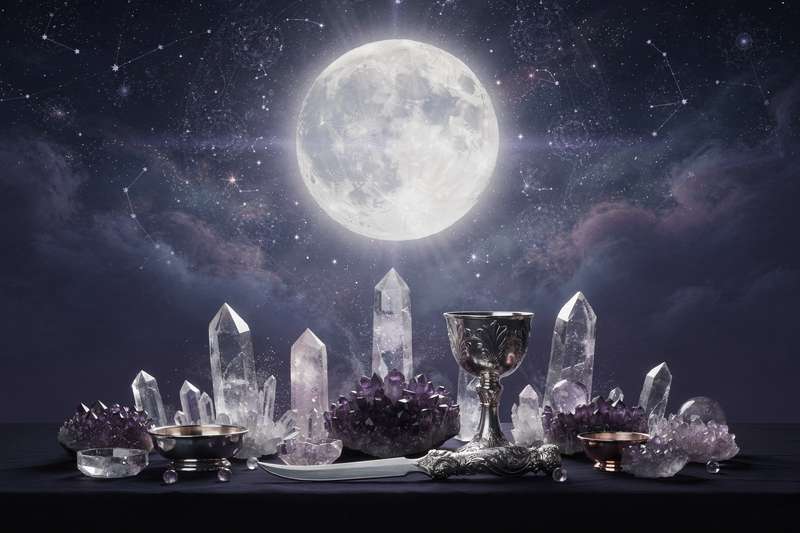
Lunar herbs work beautifully alongside crystals that carry similar energy. For dream work and psychic development, pair mugwort and silver wormwood with amethyst or labradorite. For love and emotional healing rituals, jasmine and lavender align with rose quartz. For purification and clarity, white sage and camphor pair well with clear quartz or selenite. For grounding and protection during waning moon release work, white willow and mint work well alongside black tourmaline.
Other useful tools include a dedicated moon journal, a white or silver altar cloth, a fireproof dish for burning incense and herbs, small glass jars for herb sachets and spell bottles, and a ceramic or glass bowl for altar water.
Crystals by Ritual Type
- Dream work: Amethyst, labradorite, moonstone
- Love and heart healing: Rose quartz
- Purification: Clear quartz, selenite
- Protection and banishing: Black tourmaline
- Manifestation: Citrine, clear quartz
Journal Prompts for Your Lunar Herb Practice
Writing deepens any spiritual practice. Use these prompts on the night of a ritual or the morning after:
- Which lunar herb do I feel most drawn to right now, and what might that be telling me about what I need?
- What did I dream last night, and what symbols stood out?
- What am I ready to release this waning moon? What herb will I use to mark that release?
- How does my body feel after working with a particular lunar herb — calmer, more alert, more open?
- What intention am I planting this new moon, and which herb will I keep on my altar to tend that intention as the moon grows?
FAQ
What herbs are best for full moon rituals?
Mugwort, moonflower, sandalwood, lotus, and camphor are particularly well-suited to full moon work because they support heightened psychic awareness, purification, and manifestation — all of which align with the full moon’s peak energy. White sage is also powerful for cleansing your space before a full moon ceremony.
How do I use lunar herbs if I’m a beginner?
The simplest starting points are chamomile tea before a ritual (calming and accessible), a lavender sachet under your pillow during the full moon, or burning white sage to cleanse your space at the new moon. You do not need elaborate tools — intention and consistency matter more than complexity.
Can I mix lunar herbs together in a sachet or ritual?
Yes, and many practitioners do. Mugwort and lavender are a classic combination for dream pillows. Jasmine and sandalwood pair beautifully for love and meditation rituals. The key is to be intentional — choose herbs whose properties genuinely support the same goal rather than mixing them at random.
When is the best time to harvest lunar herbs for ritual use?
The full moon is considered the peak time to harvest most lunar herbs, as their magical potency is believed to be strongest when the moon is fully illuminated. For herbs used in banishing or releasing work, harvest during the waning moon. Early morning, just after moonlight has bathed the garden, is the traditional harvesting time.