Norse divination is far richer than the casting of runes. Long before rune sets became a staple on modern altars, ancient Norse and Germanic peoples practiced layered forms of spiritual magic — including seiðr, galdr, and the sacred work of the völva. These traditions were woven into daily life, used by ordinary people and honored by the gods themselves. Whether you are new to Norse spirituality or have been working with Elder Futhark for years, understanding these deeper currents opens a whole new dimension of Nordic magical practice.
What Is Norse Divination? Beyond the Rune Stones
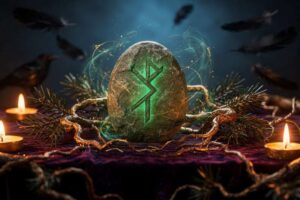
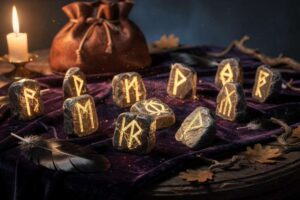
Most people encounter Norse divination through runes — those striking, angular symbols carved into stones, bones, or wood. And runes are genuinely powerful: each one encodes a concept, a force, a piece of the cosmic order. Odin himself sought their wisdom so intensely that, according to the Poetic Edda, he hung from Yggdrasil — the great world tree — until their mysteries were revealed to him.
But runes were only one strand of a much larger magical tradition. Norse spiritual practice also encompassed:
- Seiðr — a ritual, trance-based form of shamanic magic
- Galdr — spoken and sung incantations that worked through sound and vibration
- Völva practice — the work of professional female seers who traveled between communities as living oracles
Together, these three streams formed a complete system for reading fate, seeking guidance, and — in some cases — gently reshaping the path ahead.
Seiðr: Norse Shamanism and the Art of Seeing
Of all the forms of Norse magic, seiðr is perhaps the most mysterious. It was a ritual practice rooted in shamanic principles — the kind of deep, altered-state work that allows a practitioner to step beyond ordinary perception and access other layers of reality.
Seiðr was most closely associated with Freyja, the Norse goddess of love, fertility, and magic. She was said to have taught the practice to Odin himself — a significant detail, because seiðr was traditionally considered women’s work. Male practitioners existed, but they occupied a culturally complicated position, sometimes earning both reverence and suspicion in equal measure.
How Seiðr Rituals Worked
A seiðr ceremony was a community event. The practitioner — often a völva, or female seer — would enter a trance state using a combination of rhythmic drumming, rattles, chanting, and sometimes the use of a ritual staff. In this altered state, she could travel to the spiritual realms that Norse cosmology described so vividly: the nine worlds connected by Yggdrasil, the spaces inhabited by gods, ancestors, and spirits.
From this liminal place, she could:
- Receive visions about the fate of individuals or communities
- Communicate with the spirits of the dead or the divine
- Offer healing on a spiritual level
- Seek to understand — and sometimes influence — what the Norns had woven into a person’s life thread
Think of it less like fortune-telling and more like spiritual consultation. The seiðr practitioner didn’t simply read a fixed script of fate — she engaged with the living forces that shape events, bringing back insight that could genuinely inform choices.
Seiðr and the Norns
The Norns are among the most fascinating figures in Norse mythology. These three beings — Urðr (what has been), Verðandi (what is becoming), and Skuld (what shall be) — were said to sit at the root of Yggdrasil, spinning and cutting the threads of every living being’s fate. Norse magical philosophy held that fate was real and powerful — but not entirely immovable. Seiðr rituals sometimes sought to appeal to these forces, to understand the shape of one’s thread, or to ask whether a different weaving was possible.
This is a nuanced and empowering view of destiny: not a locked door, but a living, responsive pattern.
Galdr: The Magic of Voice and Vibration
Where seiðr worked through trance and ritual, galdr worked through sound. The word itself comes from an Old Norse root meaning to crow, to yell, or to chant — and that vocal quality was entirely intentional. Galdr practitioners believed that every syllable carried inherent power, that the right sounds spoken in the right way could reach into the fabric of reality and shift it.
Galdr incantations survive in written form more than almost any other aspect of Norse magic, partly because they were considered important enough to commit to record. They appear in poetry, in sagas, and in later Icelandic manuscripts, giving us a relatively clear window into what these spells actually sounded like and what they were used for.
What Galdr Was Used For
The range of galdr applications was surprisingly broad and very human:
- Healing physical ailments — there are recorded incantations for injuries, illness, and even a broken leg on a horse
- Protection before a journey or battle
- Love and romantic connection
- Strength and courage in difficult moments
- Blessing tools, weapons, or objects with specific qualities
Incantations were typically composed in a poetic meter called galdralag, a form that itself was considered to amplify the magical effect. Sound, rhythm, and meaning worked together as a single force.
Galdr and Runes Together
Galdr and runic magic were frequently used in tandem. Carving a rune into wood or stone fixed a symbolic intention into a physical form. Chanting that rune’s name or associated incantation over it was believed to activate and amplify its power. The two practices complemented each other in the same way that written intention and spoken prayer might work together in other traditions — form and voice, symbol and sound.
The Völva: Sacred Seer of the Norse World
The völva (plural: völur) was one of the most respected — and sometimes feared — figures in Norse society. She was a professional seer, a woman trained in the arts of seiðr and often galdr as well, who traveled between communities offering her gifts to those who sought guidance.
Kings and chieftains paid for her services. Families called on her at crucial moments — before a child’s naming, before a voyage, during illness, at times of conflict. She was not a fringe figure or a superstition; she was a recognized specialist whose work carried genuine social weight.
The Völva’s Tools and Appearance
In the sagas, the völva is often described in striking detail. She typically carried a ritual staff — the seiðstafr — which served as both a physical anchor and a symbol of her authority. Her clothing was elaborate and specifically designed for her role, often incorporating animal skins, feathers, and objects that connected her to the natural and spirit worlds.
The famous scene in the Völuspá — the opening poem of the Poetic Edda — shows Odin himself consulting a völva for knowledge of the cosmos, of creation, and of what lies beyond. That a god would seek her counsel speaks volumes about how Norse culture understood her gifts.
What the Völva Can Teach You Today
You don’t need to replicate every aspect of ancient practice to find meaning in the völva tradition. What she represents is deeply relevant: the idea that some people are genuinely called to the work of seeing, of bridging the everyday and the numinous, of holding space for others in moments of uncertainty. If you feel drawn to divination — whether through runes, oracle cards, meditation, or trance work — the völva lineage is part of your spiritual ancestry as a seeker in the Western tradition.
How to Work With These Traditions Today
Norse magical practices are increasingly finding a home in modern spirituality, and there are thoughtful, grounded ways to connect with them.
Working With Galdr
You can begin experimenting with galdr in simple ways. Choose a rune whose energy you want to invite — Algiz for protection, Sowilō for clarity, Berkanan for growth — and spend a few minutes chanting its name slowly and repeatedly. Notice how the sound resonates in your body. Pay attention to what arises. This is not performance; it is practice.
Exploring Seiðr Principles
If you are drawn to trance or shamanic work, seiðr’s core principle — that you can access deeper knowledge by shifting your ordinary state of awareness — is something you can explore through drumming meditations, breathwork, or guided visualization. Start gently. The goal is expanded perception, not dissolution of self.
Honoring the Völva Lineage
If you work with any form of divination, consider creating a dedicated ritual space before you begin. Light a candle for Freyja, who was the great patroness of seiðr. Hold your runes, cards, or other tools with intention. Speak aloud what you are seeking. This simple act of formality brings you into closer alignment with the völva tradition — the understanding that divination is sacred consultation, not casual entertainment.
The Gods as Allies
Norse magical practice was inseparable from relationship with divine beings. You might choose to work specifically with:
- Odin — for wisdom, magical knowledge, and the deeper mysteries of runes
- Freyja — for seiðr work, emotional truth, and matters of the heart
- Frigg — for her gift of foresight and her connection to weaving and fate
- Thor — for grounding, protection, and strength when the work feels overwhelming
Common Misconceptions About Norse Divination
- “It’s just Viking rune casting.” Runes are one piece of a much larger system. Seiðr, galdr, and völva practice each have their own distinct character and purpose.
- “It’s only for people of Norse heritage.” Norse spiritual traditions have always been available to sincere seekers. Cultural respect and genuine study matter more than ancestry.
- “Seiðr was considered shameful.” While some male practitioners faced social stigma, the völva herself was deeply honored. The tradition was never marginal — it was central.
- “Galdr is just noise.” The science of sound — cymatics, resonance, vibration — supports the idea that vocal frequencies genuinely affect physical and emotional states. Galdr was ahead of its time.
- “These practices are too dangerous for beginners.” Like any serious spiritual practice, they deserve respect and gradual learning. But fear-based gatekeeping serves no one. Start where you are.
Final Thoughts
Norse divination, in its fullest expression, is a living tradition that rewards curiosity and genuine engagement. Seiðr offers a path into deep, receptive awareness. Galdr gives you a way to work with sound as a real spiritual force. And the völva teaches you that the role of the seer is ancient, honored, and still very much needed in the world. Whatever draws you to these practices — a love of Norse mythology, a desire to deepen your divination work, or simply a feeling that this path is yours — you are stepping into something genuinely profound. Begin simply. Begin honestly. The tradition will meet you there.
Frequently Asked Questions
What is the difference between seiðr and galdr in Norse magic?
Seiðr was a ritual, trance-based shamanic practice used for prophecy, healing, and spiritual journeying, most commonly performed by female practitioners called völur. Galdr was a vocal magic based on chanted or sung incantations, used to invoke healing, protection, love, or strength. The two were often used together to amplify ritual effects, but they operated through different mechanisms — altered state versus active sound.
Who was the völva in Norse culture?
The völva was a professional female seer in Norse society, trained in seiðr and divination, who traveled between communities offering her gifts to those who sought guidance. She was a respected and sometimes feared figure, consulted by kings and ordinary families alike at major life events. The Völuspá, the opening poem of the Poetic Edda, is literally the speech of a völva being consulted by Odin.
Is Norse divination still practiced today?
Yes. Modern practitioners within the Norse reconstructionist tradition (Ásatrú and Heathenry) actively work with runes, galdr chanting, and seiðr-inspired trance practices. Many contemporary pagans and spiritual seekers incorporate these methods alongside other divination tools. The practices are growing in visibility as interest in pre-Christian European spirituality continues to expand.
Which Norse gods are most associated with divination and magic?
Freyja is considered the primary patroness of seiðr — she was said to have introduced the practice to Odin. Odin himself is deeply associated with runic magic and wisdom-seeking. Frigg held the gift of foresight, knowing the fates of all beings though she rarely spoke of what she saw. Together, these three represent the core divine lineage of Norse magical and divinatory tradition.