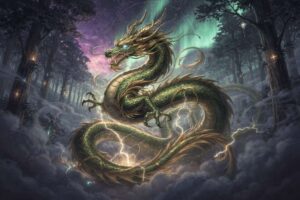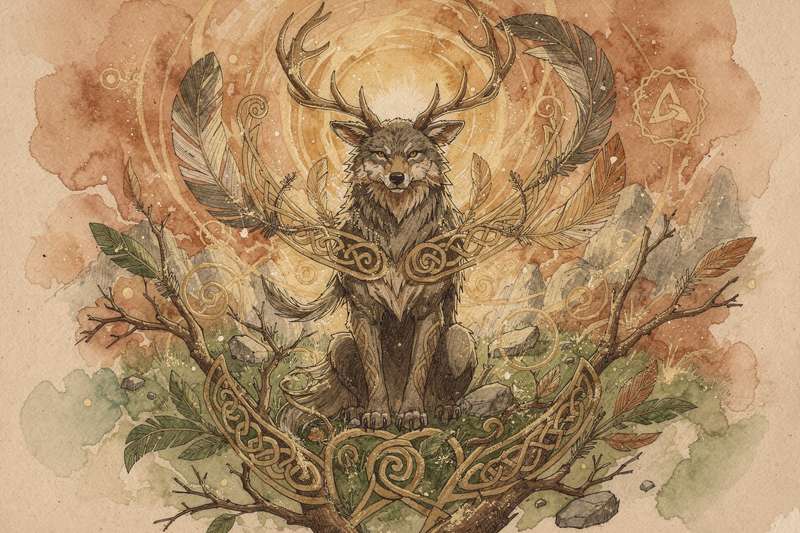
The ancient Celts understood something we’re only now remembering: animals are not mere inhabitants of our world but spiritual teachers carrying profound wisdom across the threshold between seen and unseen realms. When a Celtic spirit animal enters your consciousness—whether through dreams, visions, or repeated encounters—you’re receiving an invitation to access knowledge that flows through the oldest channels of Earth’s memory.
Unlike modern interpretations that flatten animal symbolism into simple personality traits, Celtic tradition recognized animals as sovereign beings with their own spiritual authority. They didn’t represent qualities—they embodied living powers you could invoke, learn from, and partner with on your spiritual journey. This relationship was reciprocal, not transactional. You honored the animal’s spirit, and in return, it shared its particular medicine with you.
The Celtic Spirit Animals as Spirit Guides Through the Three Realms
Celtic cosmology divided existence into Land, Sea, and Sky—three interconnected realms that together formed the complete web of life. Each realm housed specific spirit animals whose wisdom reflected their domain’s unique qualities and mysteries.
Land animals like the stag, boar, and hound taught lessons about sovereignty, courage, and loyalty. These were the companions of warriors and rulers, embodying the tangible powers of physical strength, territorial authority, and earthbound wisdom. When a land animal appears as your spirit guide, you’re being called to ground yourself, claim your rightful space, and stand firm in your personal power.
Sea creatures—salmon, seals, and serpents—carried knowledge of the hidden depths. Water represented the Otherworld’s gateway in Celtic tradition, that liminal space where transformation occurred and secret wisdom dwelled. Sea spirit animals guide you through emotional depths, help you access intuitive knowing, and teach you to navigate the mysterious currents of the unconscious mind.
Sky dwellers like ravens, eagles, and swans served as messengers between mortal and divine realms. Their ability to soar above earthly concerns gave them perspective on patterns invisible from ground level. When a sky spirit animal becomes your guide, you’re developing the capacity to see your life from a higher vantage point and receive messages from spiritual sources.
The Celts understood that true wisdom required moving between all three realms. Your spirit animal might belong primarily to one domain, but its teachings will eventually lead you to explore the others, creating balance in your spiritual development.
Core Symbolism of Celtic Spirit Animals
What sets Celtic animal symbolism apart from other traditions is its emphasis on transformation and shapeshifting. Celtic deities and heroes regularly assumed animal forms to access specific powers or traverse spiritual territories. This wasn’t metaphorical—it reflected the Celtic understanding that boundaries between forms were permeable, not fixed.
The Stag: Sovereignty and Forest Kingship
The stag stands as the forest king, embodying sovereignty, nobility, and regeneration. Its annually shed and regrown antlers symbolize the cyclical nature of power and the wisdom of knowing when to release what no longer serves. When the stag appears as your spirit animal, you’re being initiated into authentic leadership—the kind that flows from natural authority rather than imposed control. The stag teaches you to move through life’s forests with grace, to stand proud without arrogance, and to understand that true power regenerates itself through alignment with natural cycles.
The Salmon: Wisdom Through Persistence
The legendary Salmon of Knowledge swims through Celtic mythology as the ultimate teacher of earned wisdom. After consuming hazelnuts from the Well of Wisdom, this sacred fish embodied omniscience—but accessing that knowledge required patience, proper timing, and often accidental grace. The salmon spirit animal guides you upstream against life’s currents, teaching that the most valuable wisdom comes through persistent effort, patience, and staying true to your instinctual path even when it seems impossibly difficult.
The Raven: Prophecy and Battlefield Wisdom
Associated with the Morrígan, goddess of war and fate, the raven carries messages about impending change and the necessity of seeing difficult truths. This spirit animal doesn’t soften reality—it reveals what must be known, even when that knowledge discomforts you. The raven teaches discernment, strategic thinking, and the courage to face endings as necessary precursors to new beginnings. When the raven becomes your guide, you’re developing the capacity to see beyond surface appearances into the deeper patterns shaping your destiny.
The Hound: Loyalty Beyond Death
Celtic hounds embodied absolute devotion and protective instinct. The Irish wolfhound’s legendary status stems from tales emphasizing unwavering loyalty that transcended even death. As a spirit animal, the hound teaches you about commitment, protection of what you hold sacred, and the healing power of steadfast companionship. The hound’s medicine includes knowing who and what deserves your loyalty, and having the courage to defend those bonds fiercely when threatened.
The Boar: Ferocity and Abundance
The boar combines contradictory qualities—fierce battle courage and generous hospitality. Celtic warriors invoked the boar’s aggressive nature during conflict, while afterlife myths described eternal feasting on magical boars that renewed themselves nightly. This spirit animal teaches you that true strength includes both the capacity for fierce defense and generous provision. The boar’s wisdom encompasses resourcefulness, courage in the face of overwhelming odds, and the understanding that fighting and feasting are both necessary aspects of a full life.
The Bull: Wealth and Territorial Power
Cattle represented wealth, status, and causes worth fighting for in Celtic society. The epic Táin Bó Cúailnge revolves entirely around competing claims to a magnificent bull, illustrating how this animal symbolized economic power and sovereignty. As a spirit animal, the bull teaches you about the relationship between resources and authority, about building substantial wealth through strength and determination, and about the responsibilities that come with power and prosperity.
The Swan: Beauty Through Suffering
The Children of Lir lived 900 years as swans through their stepmother’s curse, creating symbolism around painful transformation that ultimately leads to redemption. The swan spirit animal doesn’t promise easy grace—it teaches that true elegance often emerges through enduring difficulty with dignity. When the swan appears as your guide, you’re learning that transformation sometimes requires patience measured in years, not days, and that maintaining your essential beauty through hardship is its own form of spiritual triumph.
What It Means When Celtic Spirit Animals Appear to You
Celtic tradition recognized that animal appearances carried weight and meaning. When a specific creature repeatedly crosses your path—physically, in dreams, or through synchronistic encounters—you’re receiving a spiritual communication that demands attention and interpretation.
Unlike spontaneous sightings, genuine spirit animal appearances carry a quality of recognition. Something inside you shifts when the encounter happens. You feel addressed, called to attention, as if the animal sees you just as clearly as you see it. This mutual recognition marks authentic spiritual communication rather than random wildlife observation.
Timing matters profoundly. Notice what’s happening in your life when the animal appears. Are you facing a decision? Experiencing transition? Feeling stuck or seeking direction? Celtic wisdom teaches that spirit animals arrive precisely when their particular medicine is most needed, even if you don’t yet understand why.
The animal’s behavior during the encounter provides additional layers of meaning. A stag standing still versus one in motion conveys different messages. A raven circling overhead speaks differently than one landing nearby. Celtic Druids trained for years to interpret these nuances, understanding that how the animal presents itself matters as much as which animal appears.
If a Celtic spirit animal has begun appearing to you, take time to sit with the encounter. Research the animal’s role in Celtic mythology. Notice what qualities it embodies. Ask yourself honestly: What medicine does this creature carry that I currently need? The answer often reveals itself not through intellectual analysis but through felt sense—a knowing that emerges when you stop trying to figure it out and simply listen.
Celtic Spirit Animals in Druidic Tradition
Druids served as intermediaries between their communities and the natural world’s spiritual dimensions. Their training included developing relationships with animal guides who assisted in divination, healing, and counsel. This wasn’t symbolic work—Druids understood these as genuine partnerships with non-human intelligences.
Druidic practice emphasized direct experience over doctrine. Rather than memorizing fixed meanings for each animal, Druids learned to enter altered states where they could communicate directly with animal spirits, asking questions and receiving guidance specific to their situation. This approach respected animals as autonomous spiritual beings rather than symbols whose meanings humans controlled.
Certain Druidic practices involved assuming animal consciousness—not just imagining what an animal might think, but temporarily experiencing reality through its sensory apparatus and instinctual knowing. This practice, called “shapeshifting” in Celtic tradition, developed empathy, expanded perception, and granted access to knowledge unavailable through ordinary human consciousness.
The Druidic year followed seasonal cycles, and different animals held prominence during specific festivals. Samhain connected with creatures bridging living and spirit worlds. Imbolc honored animals associated with new life and lactation. Beltane celebrated fertility through symbols of potent animals. Understanding these seasonal associations helps you align your work with Celtic spirit animals to natural timing rather than imposing your personal schedule on spiritual processes.
The Celtic Spirit Animals in Global Indigenous Traditions
While Celtic tradition developed its own distinct approach to animal spirituality, common threads connect it to indigenous practices worldwide. The understanding that animals carry spiritual wisdom, serve as teachers, and mediate between human and divine realms appears across cultures that maintained close relationships with the natural world.
North American indigenous traditions developed sophisticated systems of animal medicine and totemism that parallel Celtic practices in some ways while differing significantly in others. Where Celtic tradition emphasized the Three Realms structure, many indigenous American traditions worked with the Four Directions. Both systems, however, recognized animals as spiritual allies whose wisdom humans needed to thrive.
African spiritual traditions similarly honor animals as carriers of specific energies and teachers of essential life lessons. The flexibility and adaptability you see in African animal symbolism mirrors the Celtic approach of allowing animals to reveal their medicine through direct relationship rather than fixed interpretation.
What these traditions share is respect—the recognition that animals possess their own spiritual authority and that human beings benefit from learning to listen to non-human teachers. This stands in contrast to modern approaches that treat animal symbolism as human psychological projection rather than genuine interspecies spiritual communication.
The Shadow Side of Celtic Spirit Animal Wisdom
Celtic tradition didn’t romanticize nature or animal spirits. The same raven that brings prophetic vision also represents battlefield death. The beautiful swan endures centuries of curse. The fierce boar can turn its tusks on those who disrespect it. This realistic view acknowledged that spiritual power includes dangerous edges and uncomfortable truths.
When you work with Celtic spirit animals, you must be willing to face their shadow aspects. The stag’s sovereignty includes the loneliness of leadership. The salmon’s wisdom comes through exhausting upstream battles. The hound’s loyalty can become possessive attachment. Each animal’s medicine includes a corresponding challenge you must integrate.
The shadow also emerges when people approach Celtic animal wisdom seeking power without accepting responsibility. The Celts understood that invoking animal spirits created obligations. You couldn’t simply take their medicine without honoring their essence and respecting their autonomy. Modern practitioners sometimes treat spirit animals as spiritual accessories rather than autonomous beings deserving respect.
Another shadow aspect involves cultural appropriation and superficial engagement. Celtic animal wisdom developed through centuries of lived relationship with specific landscapes, seasonal cycles, and cultural practices. Taking symbols out of that context while ignoring the worldview that gave them meaning reduces profound wisdom to New Age decoration.
The test of genuine engagement with Celtic spirit animals is whether their presence makes your life more challenging as well as more meaningful. True animal guides don’t just validate what you already believe—they push you toward growth that feels uncomfortable. If your spirit animal only tells you what you want to hear, you’re probably talking to your ego rather than listening to genuine animal wisdom.
How to Connect With Your Celtic Spirit Animal
Building relationship with Celtic spirit animals requires time, attention, and willingness to meet them on their terms rather than demanding they conform to your expectations. This isn’t a weekend workshop result—it’s a ongoing practice that deepens over months and years.
Begin by spending time in natural settings where animals live. You can’t develop genuine relationship with nature spirits while remaining entirely indoors. Celtic Druids wandered forests, sat by rivers, and observed animals in their own habitats. This physical presence in nature opens channels of communication that books and websites alone cannot.
Learn about Celtic animal symbolism through study, but don’t let intellectual knowledge substitute for direct experience. Read the myths, understand the traditional associations, then set that knowledge aside and see what the animals themselves want to teach you. Sometimes your personal experience with a spirit animal will differ from traditional meanings, and that’s valid—you’re developing your own relationship, not copying someone else’s.
Create ritual space for inviting animal guidance. This might be as simple as lighting a candle and sitting quietly while calling a specific animal spirit’s name, or as elaborate as constructing an altar with natural objects associated with that creature. What matters is your sincere intention to create space for communication and your willingness to listen with your full attention.
Dreams provide powerful portals for animal spirit contact. Before sleep, state your intention to meet your Celtic spirit animal guide in the dream realm. Keep a journal beside your bed and record any animal encounters immediately upon waking. Over time, patterns emerge that reveal which animals are actively working with you.
Pay attention to physical-world synchronicities. When you begin opening to Celtic spirit animal wisdom, you’ll often experience repeated encounters with specific creatures—seeing them in unusual places, having them appear in multiple unrelated contexts, noticing their images or references throughout your day. These synchronicities confirm genuine spiritual communication rather than wishful thinking.
Offer reciprocity. If a Celtic spirit animal is guiding you, find concrete ways to honor that creature in the physical world. This might mean supporting wildlife conservation, creating art that celebrates the animal, or simply maintaining habitat in your own yard where such creatures can thrive. Real relationship includes give and take, not just receiving wisdom without offering anything in return.
Signs the Celtic Spirit Animal Is Your Spirit Guide
Certain indicators confirm that a Celtic animal has become your active spirit guide rather than a passing influence. These signs accumulate over time, building evidence of genuine spiritual partnership.
You experience repeated encounters with the animal in both physical and spiritual realms. The creature appears in dreams, shows up unexpectedly during ordinary activities, and features prominently in meditation or journey work. This persistence suggests the animal is actively seeking your attention rather than randomly crossing your path.
You feel a deep, inexplicable affinity with the animal that predates your conscious knowledge of Celtic symbolism. Often people discover later that an animal they’ve always felt drawn to carries profound significance in Celtic tradition. This suggests the connection operates at soul level rather than intellectual interest.
The animal’s traditional medicine directly addresses your current life challenges or spiritual development needs. If you’re working on sovereignty issues and the stag appears, or struggling with hidden wisdom and the salmon shows up, the correlation suggests genuine guidance rather than coincidence.
You begin naturally embodying the animal’s qualities without conscious effort. Friends might comment that you’re moving differently, thinking differently, or carrying yourself with new confidence or grace that mirrors your spirit animal’s characteristics. This suggests the animal’s medicine is integrating into your being at deep levels.
The animal appears during significant life transitions or before major decisions, offering guidance, protection, or confirmation. This timely presence demonstrates active partnership rather than passive symbolism.
You receive validation from multiple independent sources. Perhaps someone gifts you an object featuring the animal without knowing your connection to it. Maybe you discover the animal featured prominently in your family ancestry or regional history. These confirmations from unexpected quarters suggest the connection carries objective reality beyond personal projection.
Celtic Spirit Animal Totem vs Spirit Animal vs Power Animal
Celtic tradition recognizes different types of relationships with animal spirits, though the terminology varies across sources and modern interpretations. Understanding these distinctions helps you work more effectively with animal wisdom.
A spirit animal typically refers to a guide that enters your life for a specific period or purpose. This animal brings medicine you currently need, teaches particular lessons, then may step back once you’ve integrated its wisdom. Spirit animals can change throughout your life as your needs evolve and different lessons become necessary.
A totem animal represents a deeper, often lifelong connection that may be inherited through family lineage or soul lineage. Your totem reflects core aspects of your essential nature—qualities you were born with rather than ones you’re developing. This animal’s energy forms part of your spiritual foundation, remaining constant even as other animal guides come and go.
A power animal specifically relates to personal power and protection. This is the animal ally you invoke during challenging situations, spiritual work requiring strength, or times when you need to access your most potent spiritual resources. Your power animal might be the same as your totem, or it might be different—a fierce ally who appears when gentler guides step back.
Celtic tradition didn’t draw rigid boundaries between these categories, recognizing instead that relationship with animal spirits remains fluid and responsive to changing circumstances. The same animal might function as spirit guide, totem, and power animal at different times or in different contexts.
What matters more than precise categorization is the quality of your relationship. Are you listening when the animal speaks? Are you honoring its medicine by integrating its lessons into your life? Are you offering reciprocity and respect? These questions determine whether your work with Celtic spirit animals generates genuine spiritual growth or remains superficial fascination.
Your Journey With Celtic Spirit Animal Wisdom
Celtic spirit animals offer you entry into an ancient conversation between human consciousness and the natural world’s spiritual dimensions. These guides don’t arrive to make your life easier—they appear to make you stronger, wiser, and more aligned with your authentic power. The wisdom they carry has survived centuries because it addresses eternal human needs: understanding our place in nature’s web, accessing hidden knowledge, and developing the courage to transform.
As you open to Celtic animal guidance, remember that this is relationship, not interpretation. You’re not decoding symbols—you’re building partnership with non-human spiritual beings who possess their own wisdom, autonomy, and authority. Approach them with respect. Listen more than you speak. Honor their medicine by living the lessons they teach rather than simply collecting spiritual credentials.
The Celtic spirit animals are calling. Will you answer?
Frequently Asked Questions About Celtic Spirit Animals
How do I know which Celtic spirit animal is mine?
Your Celtic spirit animal reveals itself through repeated encounters, deep resonance, and timing that addresses your current spiritual needs. Rather than choosing an animal intellectually, remain open and observant—your guide will make itself known through dreams, physical sightings, or persistent presence in your awareness during meditation or quiet reflection.
Can I have more than one Celtic spirit animal guide?
Yes, different Celtic animal guides often work with you simultaneously or sequentially. You might have a lifelong totem, a current spirit animal addressing specific lessons, and power animals you invoke during particular types of spiritual work. Celtic tradition recognized that complete wisdom requires learning from multiple teachers, both human and animal.
What’s the difference between Celtic animal symbolism and other traditions?
Celtic animal symbolism emphasizes transformation, the Three Realms cosmology, and the permeable boundaries between human and animal consciousness. While sharing common ground with other indigenous traditions in respecting animals as spiritual teachers, Celtic practice specifically focuses on shapeshifting, Otherworld connections, and the integration of sovereignty, wisdom, and prophecy themes unique to Celtic cultural context.
Do I need Celtic ancestry to work with Celtic spirit animals?
Spiritual wisdom transcends bloodline, but approaching Celtic practices with respect and humility remains essential. Study the cultural context, understand the worldview that gave these symbols meaning, and honor Celtic traditions as living wisdom rather than aesthetic choices. Many without Celtic ancestry develop genuine relationships with these animal guides through sincere study, respectful practice, and authentic spiritual calling.