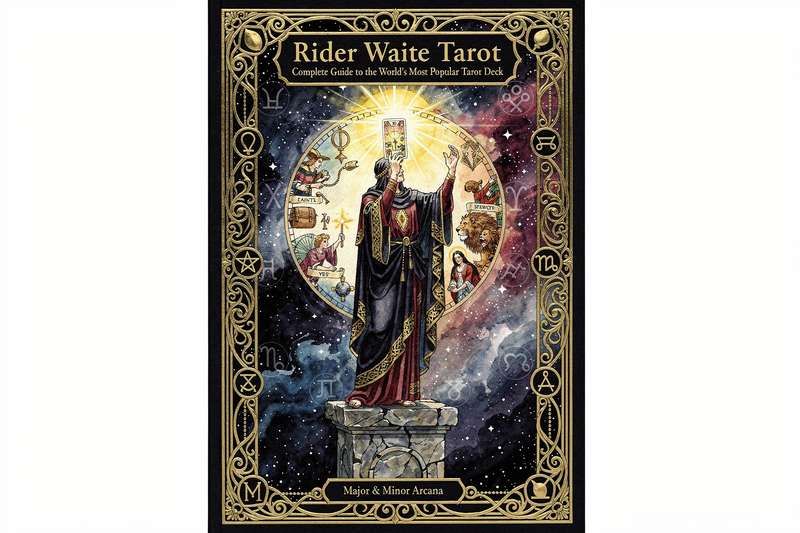
The Rider Waite tarot deck stands as the most recognized and widely used tarot system in the modern world. Published in 1909 by Rider & Company, this 78-card deck revolutionized tarot by illustrating every card—including the Minor Arcana—with meaningful scenes rather than simple pip patterns. You’ll find that learning tarot becomes significantly easier when each card tells a visual story you can interpret intuitively.
This comprehensive guide walks you through everything you need to know about the Rider Waite tarot, from understanding its structure to reading cards with confidence. Whether you’re drawn to the mystical artwork of Pamela Colman Smith or seeking a reliable deck for spiritual guidance, the Rider Waite system offers a foundation that serves readers for decades.
The Rider Waite Deck at a Glance
The collaboration between Arthur Edward Waite and artist Pamela Colman Smith during 1908-1909 produced a deck that fundamentally changed how people interact with tarot. Waite, a scholar of occult traditions, provided the esoteric framework while Smith created the evocative illustrations that bring each card’s meaning to life. Her choice to illustrate the numbered Minor Arcana cards with scenes depicting human experiences made the deck immediately accessible to beginners.
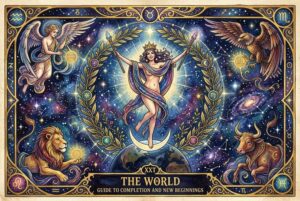
The deck divides into two main sections: the 22 Major Arcana cards representing life’s significant spiritual lessons, and the 56 Minor Arcana cards reflecting everyday experiences. The Major Arcana begins with The Fool and concludes with The World, mapping out the soul’s journey through existence. Each card carries profound archetypal energy—The High Priestess embodies intuitive wisdom, The Tower signals sudden transformation, and The Star offers hope and healing.
The Minor Arcana organizes into four suits that correspond to different life areas:
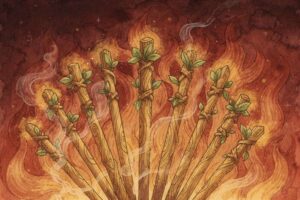
- Wands: Fire element, representing passion, creativity, inspiration, and career ambitions
- Cups: Water element, governing emotions, relationships, intuition, and spiritual fulfillment
- Swords: Air element, addressing thoughts, challenges, conflicts, and mental clarity
- Pentacles: Earth element, focusing on material resources, physical health, finances, and practical matters
Each suit contains cards numbered Ace through Ten, plus four Court Cards—Page, Knight, Queen, and King—representing different personality types and developmental stages. Pages bring messages and learning opportunities, Knights indicate action and movement, Queens embody emotional mastery within their element, and Kings represent authoritative command of their suit’s energy.
Understanding Upright Card Meanings in the Rider Waite Tarot
When cards appear upright in your reading, they express their energy in a direct, unobstructed manner. The imagery on each Rider Waite card contains symbolic elements that speak to your subconscious mind, making interpretation a blend of learned meanings and intuitive insight.
Major Arcana Upright Messages
The Major Arcana cards carry weight in readings because they signal important life themes and spiritual lessons. When you draw The Fool, you’re being called to take a leap of faith into new territory. The Magician appears when you possess all the tools needed to manifest your goals. The High Priestess asks you to trust your inner knowing rather than seeking external validation.
Cards like The Empress and The Emperor represent fundamental energies of nurturing growth and establishing structure. The Hierophant connects you to traditional wisdom and spiritual communities, while The Lovers presents choices that align with your authentic values. When Death appears, it signals necessary endings that make space for rebirth—this card rarely predicts physical death but instead represents transformation.
Minor Arcana Suit Patterns
Understanding how each suit progresses from Ace to Ten helps you grasp the natural cycles within different life areas. Aces represent pure potential and new beginnings in their element. The middle numbers (Two through Nine) show development, challenges, and growth within that energy. Tens indicate completion, culmination, or sometimes the burden of taking things too far.
The Two of Cups depicts partnership and mutual attraction in relationships, while the Five of Cups shows grief over loss but hints at remaining blessings. The Seven of Pentacles indicates assessment of your material efforts, asking whether your investments are paying off. Each numbered card builds upon the previous one, creating a narrative arc within its suit.
Reading the Court Cards
Court cards often puzzle beginning readers, but they become clearer when you understand their framework. Pages represent youthful energy, messages arriving, or the beginning stages of learning their suit’s lessons. Knights embody that suit’s energy in motion—the Knight of Wands charges forward with enthusiasm, while the Knight of Swords pursues truth and clarity with intensity.
Queens have fully integrated their suit’s emotional wisdom. The Queen of Cups reads emotions with precision, the Queen of Wands radiates magnetic confidence, and the Queen of Pentacles creates material security through practical nurturing. Kings command their element from a position of mastery—they’ve moved beyond personal involvement to govern that energy with authority and experience.
Interpreting Reversed Card Meanings
Reversed cards appear when you draw a card upside-down in your spread. Different readers approach reversals in various ways, but most agree they indicate blocked, internalized, or excessive expressions of the card’s core energy.
When a Major Arcana card reverses, its spiritual lesson may be refused, delayed, or expressing itself through shadow qualities. The Empress reversed might suggest creative blocks or difficulties nurturing yourself and others. The Tower reversed can mean you’re resisting necessary change, prolonging the inevitable upheaval, or experiencing internal rather than external disruption.
Minor Arcana reversals often soften difficult cards or complicate positive ones. The Five of Swords reversed may indicate conflict resolution or moving past betrayal, while the Ten of Cups reversed suggests family tensions or unrealistic expectations about domestic happiness. The Three of Pentacles reversed can point to lack of teamwork or skills that need further development.
Some readers choose not to read reversals at all, and that’s perfectly valid. The Rider Waite imagery is so rich that you can derive complete readings from upright meanings alone. If you do read reversals, let the surrounding cards and your intuition guide how strongly you interpret the blocked or shadow energy.
The Rider Waite Tarot in Love and Relationships
Relationship readings reveal where this deck truly shines. The detailed scenes on cards like the Two of Cups (partnership forming), the Three of Swords (heartbreak), and the Ten of Cups (domestic bliss) provide immediate visual clarity about romantic situations.
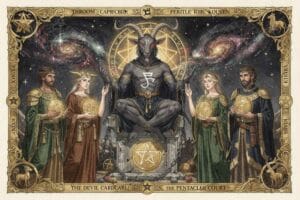
Major Arcana cards appearing in love readings signal significant relationship themes. The Lovers obviously represents romantic choice and soul connections, but also the need to align partnerships with your values. The Devil warns of unhealthy attachments, codependency, or staying in situations that limit your growth. Temperance suggests the importance of balance and patience as your relationship develops.
The suit of Cups naturally dominates love readings since it governs emotions and relationships. The Ace of Cups brings new love or emotional renewal in existing partnerships. The Queen of Cups and King of Cups represent emotionally mature partners who offer genuine intimacy. The Seven of Cups warns against fantasy or too many options preventing real commitment.
Court cards often represent actual people in relationship readings. The Knight of Cups arrives as a romantic, idealistic suitor. The Queen of Wands brings passionate, charismatic energy to partnerships. When multiple court cards appear together, pay attention to whether they face each other or look away—this positioning offers additional insight into relationship dynamics.
Career and Financial Guidance with the Rider Waite Tarot
The suit of Pentacles provides your primary career and money guidance, but don’t overlook the ambitious energy of Wands or the strategic thinking of Swords in professional readings. The Ace of Pentacles signals new financial opportunities or job offers, while the Ten of Pentacles represents lasting material security and generational wealth.
Major Arcana cards bring big-picture career themes. The Chariot indicates determination and the drive needed to advance professionally. The Wheel of Fortune suggests career changes or opportunities arriving through apparent chance. The Sun promises success, recognition, and finding work that genuinely fulfills you. The World represents career completion—achieving major professional goals or mastering your field.
The Three of Pentacles is the collaboration card, showing teamwork and skill development in action. The Eight of Pentacles indicates dedicated craftsmanship and the patient work required to achieve mastery. When the Four of Pentacles appears, consider whether you’re creating healthy financial security or holding too tightly to resources out of fear.
The suit of Wands addresses career passion and entrepreneurial ventures. The Three of Wands shows planning paying off as opportunities expand. The Eight of Wands brings rapid movement in projects and communications. The Page of Wands often represents exciting career news or the beginning of a creative professional venture.
Spiritual Development Through the Rider Waite System
Beyond practical guidance, the Rider Waite tarot serves as a profound tool for spiritual awakening and self-understanding. The Major Arcana functions as a map of consciousness, showing the stages of spiritual development from the innocent Fool to the enlightened World.
The High Priestess connects you to divine feminine wisdom and the mysteries hidden behind the veil of ordinary consciousness. The Hermit calls you into solitude for deep introspection and inner guidance. The Hanged Man offers the difficult spiritual lesson of surrender and seeing from completely new perspectives. These cards don’t just predict events—they illuminate the spiritual work required for your soul’s evolution.
Meditative work with individual cards deepens your connection to their archetypal energies. Select a card that addresses your current spiritual question and sit with it daily. Notice the symbols—colors, numbers, positions of figures, elemental associations. The pomegranates behind the High Priestess represent hidden knowledge and fertility of the unconscious. The mountains in the background of the Hermit suggest spiritual heights achieved through solitary seeking.
The four suits also offer spiritual lessons beyond their practical meanings. Wands teach you about will and creative force. Cups guide you through emotional and psychic development. Swords challenge you to refine your thoughts and communicate truth. Pentacles ground spiritual wisdom into physical manifestation and right relationship with the material world.
Conducting Effective Readings with Your Rider Waite Deck
The versatility of the Rider Waite system means it works beautifully with any spread structure. Single-card daily draws familiarize you with each card’s energy through repeated encounters. Pull one card each morning and journal about how its message appears throughout your day.
The classic three-card spread offers simplicity with depth. Read it as past-present-future, situation-action-outcome, or mind-body-spirit depending on your question. This format works especially well when you’re first learning because it keeps readings manageable while still providing narrative flow.
The Celtic Cross remains the most popular complex spread for comprehensive life readings. Its ten-card structure addresses your current situation, challenges, foundations, recent past, potential future, immediate influences, your perception of the situation, external factors, hopes and fears, and ultimate outcome. The detailed Rider Waite imagery provides plenty of information for interpreting how these positions interact.
When reading cards together, notice the relationships between them. Multiple Major Arcana cards suggest powerful forces at work beyond your control. Court cards from the same suit indicate people working together or similar personality types affecting the situation. Repeated numbers (like three Fives) emphasize that number’s qualities—Fives generally indicate conflict and change.
Trust the story the cards create together. A reading is more than isolated meanings—the cards speak to each other, creating a narrative that addresses your specific question. The Five of Pentacles shows hardship, but followed by the Six of Wands, it suggests overcoming difficulty leads to recognition and success.
Frequently Asked Questions About Rider Waite Tarot
What makes the Rider Waite tarot deck better for beginners than other decks?
The Rider Waite deck illustrates all 78 cards with meaningful scenes, not just the Major Arcana. This visual storytelling allows beginners to interpret cards intuitively rather than memorizing abstract meanings, making it significantly easier to learn tarot reading.
Should I read reversed cards or only use upright meanings?
Both approaches work effectively. Reading reversals adds nuance by indicating blocked or shadow expressions of card energy, but reading only uprights still provides complete, accurate guidance. Choose the method that feels most comfortable and gives you confident readings.
How do I know if a court card represents a person or a situation?
Context determines this. In relationship spreads, court cards typically represent actual people with those personality traits. In general life readings, they can indicate either people influencing the situation or qualities you need to embody. Trust your intuition about which interpretation fits the question.
Can I use the Rider Waite deck for yes/no questions?
While possible, tarot excels at providing nuanced guidance rather than simple yes/no answers. If you must have a binary answer, you can assign yes to upright cards with positive energy and no to reversed or challenging cards, but you’ll gain more valuable insight from open-ended questions.