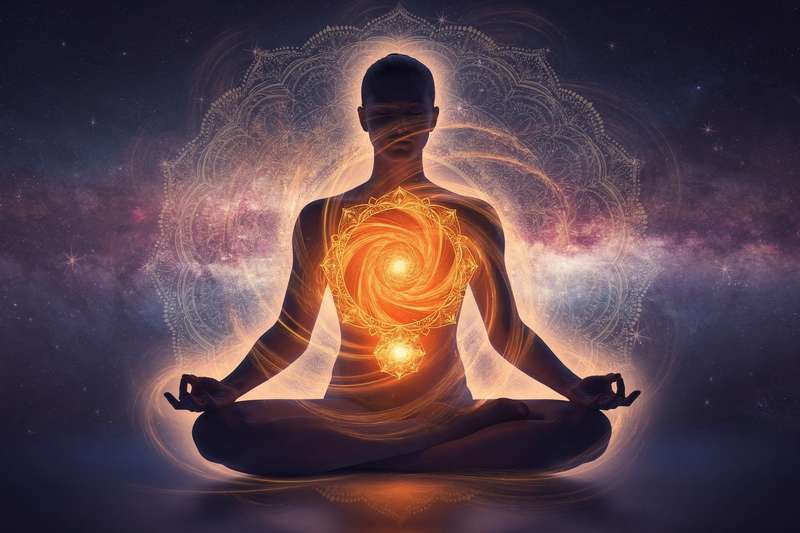
Your sacral chakra, known in Sanskrit as Svadhisthana, is the radiant energy center that governs your creativity, emotions, pleasure, and sense of connection to life’s flow. When this chakra hums with vitality, you feel inspired, emotionally balanced, and open to joy. But when it’s blocked or stagnant, you may notice emotional numbness, creative blocks, guilt around pleasure, or difficulty trusting your own desires.
Practicing sacral chakra yoga poses is one of the most powerful ways to restore balance to this energy center. Through gentle hip openers, flowing sequences, and mindful movement, you invite stagnant energy to release and allow your emotions and creativity to move freely once again.
In this guide, you’ll discover the meaning and symbolism of the sacral chakra, how to recognize when it’s out of balance, and a complete collection of yoga poses and healing practices to awaken your creative and emotional power.
What Is the Sacral Chakra?
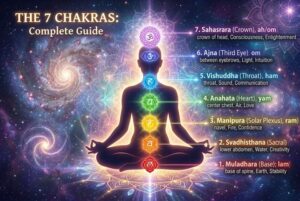
The sacral chakra is the second of the seven main chakras and sits in your lower abdomen, just below the navel and above the pubic bone. Its Sanskrit name, Svadhisthana, translates to “one’s own place” or “sweetness” — a beautiful reminder that this chakra is your inner sanctuary of pleasure, creativity, and emotional authenticity.
While your root chakra anchors you to safety and survival, the sacral chakra invites you to feel — to experience emotion, sensation, creativity, and connection. It’s the energetic home of your passion, your artistic expression, your sensuality, and your ability to adapt and flow with life’s changes.
When your sacral chakra is open and balanced, you feel emotionally resilient, creatively alive, and comfortable in your own skin. You honor your desires without shame and embrace pleasure as a sacred part of your human experience.
Sanskrit Name and Symbolism
The sacral chakra’s Sanskrit name is Svadhisthana, which means “one’s own dwelling place” — a poetic nod to this chakra as the seat of your authentic self and inner joy. The symbol of Svadhisthana is a lotus with six petals, encircling a crescent moon that floats on water. This imagery beautifully captures the chakra’s essence: fluid, reflective, cyclical, and deeply connected to the rhythms of emotion and creativity.
The element of water is central to the sacral chakra’s symbolism. Water flows, adapts, cleanses, and nourishes — just as your emotions and creative energy need to move freely to keep you healthy and vibrant. When water becomes stagnant, it loses its vitality. The same is true for your sacral chakra. Movement, expression, and release are essential.
Color, Element, and Location
The color of the sacral chakra is orange — a warm, vibrant hue that radiates joy, enthusiasm, creativity, and emotional warmth. Orange is the color of sunrise, of autumn leaves, of firelight reflected on water. It invites playfulness, sensuality, and emotional courage.
The element is water, representing fluidity, adaptability, and the natural ebb and flow of emotions and creative inspiration. Water teaches you that feelings are meant to move, not to be dammed up or ignored.
Physically, the sacral chakra is located in your lower abdomen, about two inches below your navel, and encompasses your pelvis, hips, lower back, reproductive organs, and kidneys. This area is where you hold emotional tension, creative blocks, and unprocessed feelings — which is why hip-opening yoga poses are so powerful for sacral chakra healing.
What the Sacral Chakra Governs
Your sacral chakra governs several key dimensions of your inner and outer life:
- Creativity and inspiration: Your ability to birth new ideas, art, projects, and self-expression
- Emotions and feelings: Your capacity to feel deeply, process emotions, and flow with life’s changes
- Pleasure and sensuality: Your relationship with joy, sensory experience, intimacy, and physical pleasure
- Desire and passion: What calls to you, what lights you up, what you long for
- Connection and relationships: Your ability to connect emotionally and intimately with others
- Adaptability and flow: How you respond to change, uncertainty, and life’s natural rhythms
When your sacral chakra is balanced, you feel creatively alive, emotionally intelligent, and comfortable honoring your desires. You experience pleasure without guilt and navigate change with grace and curiosity.
Signs Your Sacral Chakra Is Blocked or Imbalanced
When your sacral chakra is blocked or underactive, you may experience a range of emotional, creative, and physical symptoms. These signs often appear when you’ve suppressed your emotions, ignored your desires, or disconnected from your body and creativity.
Emotional and Mental Signs
- Feeling emotionally numb, flat, or disconnected
- Difficulty expressing or processing emotions
- Guilt or shame around pleasure, desire, or sensuality
- Fear of intimacy or emotional vulnerability
- Creative blocks or feeling uninspired
- Rigidity, over-control, or difficulty adapting to change
- Low libido or discomfort with your own sexuality
Physical Signs
- Lower back pain or stiffness
- Hip tightness or discomfort
- Reproductive or urinary issues
- Digestive problems
- Low energy or chronic fatigue
These symptoms are your body’s way of telling you that energy in your sacral chakra needs to move. Yoga, creativity, emotional release, and pleasure practices can help restore flow and vitality.
Signs of an Overactive Sacral Chakra
While a blocked sacral chakra leads to numbness and stagnation, an overactive sacral chakra can create emotional overwhelm, impulsivity, and difficulty with boundaries. You may notice:
- Feeling emotionally flooded or out of control
- Difficulty managing strong emotions or mood swings
- Addictive behaviors or seeking constant stimulation
- Overindulgence in pleasure, food, or substances
- Difficulty setting healthy boundaries in relationships
- Excessive neediness or codependency
- Restlessness or inability to ground and center
If you recognize these patterns, your sacral chakra needs grounding, structure, and gentle containment. Root chakra practices, mindful breathwork, and restorative yoga can help bring balance.
How to Balance the Sacral Chakra with Yoga Poses
One of the most effective ways to balance your sacral chakra is through yoga poses that open the hips, pelvis, and lower back. These poses release stored emotions, increase circulation to the sacral area, and invite creative energy to flow freely once again.
When practicing sacral chakra yoga poses, move slowly and with intention. Notice what sensations arise — emotions, memories, or physical tension — and give yourself permission to feel without judgment. Your hips hold a tremendous amount of emotional memory, and releasing this energy is an act of healing and reclamation.
Best Sacral Chakra Yoga Poses
Here are some of the most powerful yoga poses for activating, opening, and balancing your sacral chakra:
- Bound Angle Pose (Baddha Konasana): Opens the inner thighs and hips, encourages emotional release
- Pigeon Pose (Eka Pada Rajakapotasana): Deep hip opener that releases stored tension and trauma
- Goddess Pose (Utkata Konasana): Strengthens the legs, opens the hips, connects you to feminine power
- Low Lunge (Anjaneyasana): Stretches hip flexors and psoas, where stress and emotion are often held
- Happy Baby Pose (Ananda Balasana): Playful, gentle hip opener that encourages joy and release
- Seated Forward Fold (Paschimottanasana): Calms the nervous system while gently opening the lower back
- Frog Pose (Mandukasana): Intense inner hip opener for deep emotional and energetic release
- Cat-Cow Pose (Marjaryasana-Bitilasana): Flowing spinal movement that encourages fluidity and emotional flexibility
- Bridge Pose (Setu Bandhasana): Opens the hips and heart, activates pelvic energy
- Reclined Bound Angle Pose (Supta Baddha Konasana): Restorative pose that invites deep relaxation and surrender
Practice these poses mindfully, holding each for several breaths and allowing your body to soften and release. Visualize warm orange light glowing in your lower abdomen as you breathe.
Other Practices to Balance the Sacral Chakra
In addition to yoga, there are many other healing practices that support sacral chakra balance:
Affirmations for the Sacral Chakra
Affirmations help reprogram limiting beliefs and invite new energy into your sacral chakra. Speak these aloud or silently during meditation or yoga practice:
- “I honor my emotions and allow them to flow freely.”
- “I am a creative, passionate, and vibrant being.”
- “I embrace pleasure without guilt or shame.”
- “I trust my body’s wisdom and desires.”
- “I am open to the natural flow of life.”
- “My feelings are valid and deserve to be expressed.”
Meditation and Visualization
Sit comfortably and close your eyes. Bring your awareness to your lower abdomen, just below your navel. Visualize a glowing orange sphere of warm, radiant light. As you breathe, imagine this light expanding, dissolving any blockages, and allowing your emotions and creativity to flow like water. Stay here for 5–10 minutes, breathing deeply and softly.
Essential Oils for the Sacral Chakra
Aromatherapy can support sacral chakra healing. Try these essential oils in a diffuser, bath, or massage oil:
- Sweet orange
- Ylang ylang
- Sandalwood
- Jasmine
- Patchouli
- Neroli
Foods for the Sacral Chakra
Nourish your sacral chakra with orange-colored foods and hydrating, fluid-rich foods:
- Oranges, mangoes, peaches, apricots
- Carrots, sweet potatoes, butternut squash
- Coconut, coconut water
- Nuts and seeds (especially almonds and sunflower seeds)
- Honey and cinnamon
- Plenty of fresh, clean water
Creative Expression
Your sacral chakra thrives on creativity. Dance freely, paint, write in a journal, play music, or engage in any creative activity that brings you joy. The act of creating — without judgment or perfectionism — is medicine for this chakra.
Healing Crystals for the Sacral Chakra
Crystals carry specific vibrational frequencies that can support chakra healing. Place these stones on your lower abdomen during meditation, carry them with you, or keep them on your altar:
- Carnelian: The ultimate sacral chakra stone — boosts creativity, courage, and vitality
- Orange Calcite: Clears emotional blockages and restores joy
- Sunstone: Brings warmth, optimism, and personal power
- Moonstone: Connects you to your emotional cycles and intuition
- Peach Aventurine: Encourages emotional healing and self-acceptance
- Amber: Clears stagnant energy and invites flow
Hold your chosen crystal during meditation or place it on your sacral area while resting in a restorative yoga pose.
Bija Mantra and Sound Healing
The bija (seed) mantra for the sacral chakra is VAM (pronounced “vahm”). Chanting this mantra activates and balances the energy of Svadhisthana. The sound vibration resonates with the water element and helps release emotional blockages.
To practice, sit comfortably and take a few deep breaths. Place one hand on your lower abdomen. As you exhale, chant “VAM” slowly and steadily, feeling the vibration in your pelvis and lower belly. Repeat for 5–10 minutes. You can also listen to recordings of VAM chanting or 417 Hz frequency music, which is associated with sacral chakra healing.
Final Thoughts
Your sacral chakra is the sacred wellspring of your creativity, emotions, and joy. When it’s balanced, you feel alive, expressive, and deeply connected to the flow of life. When it’s blocked, you may feel numb, stuck, or disconnected from your own desires and passions.
By practicing sacral chakra yoga poses, speaking healing affirmations, meditating with visualization, and honoring your body’s need for pleasure and creative expression, you can restore vitality and flow to this powerful energy center. Remember: your emotions are not weaknesses. Your desires are not shameful. Your creativity is not frivolous. They are the sacred currents that make you fully, beautifully human.
Allow yourself to feel. Allow yourself to create. Allow yourself to flow.
Frequently Asked Questions About Sacral Chakra Yoga Poses
What are the best yoga poses for opening the sacral chakra?
The best yoga poses for the sacral chakra are hip openers like Pigeon Pose, Bound Angle Pose, Goddess Pose, Frog Pose, and Low Lunge. These poses release stored emotions and increase energy flow in the pelvic area.
How do I know if my sacral chakra is blocked?
Signs of a blocked sacral chakra include emotional numbness, creative blocks, guilt around pleasure, low libido, difficulty expressing feelings, hip tightness, and lower back pain. You may also feel rigid, disconnected, or afraid of intimacy.
What color is associated with the sacral chakra?
The sacral chakra is associated with the color orange, which represents creativity, joy, warmth, emotional vitality, and sensuality. Visualizing orange light during meditation or wearing orange can support sacral chakra healing.
Can yoga really heal the sacral chakra?
Yes, yoga is a powerful tool for sacral chakra healing. Hip-opening poses release physical tension and stored emotions, while mindful breathwork and meditation restore energetic flow. Consistent practice helps balance emotions, unlock creativity, and reconnect you to pleasure and joy.