True healing begins not when you fix what’s broken, but when you finally turn toward what’s been unseen and unloved within you. The Inner Healing Tarot Spread is a nine-card layout designed to guide you through the tender layers of emotional wounds with compassion and clarity. This spread works beautifully when you’re ready to understand how past hurts have shaped you, when recurring patterns demand your attention, or when you sense it’s time to release what no longer serves your growth. Whether you’re processing grief, addressing relationship wounds, or simply feeling called to deeper self-understanding, this healing tarot reading offers a sacred space to reconnect with your innate wholeness.
When to Use the Inner Healing Tarot Spread
This spread works best during moments of intentional self-reflection rather than crisis. Turn to it when you notice emotional patterns repeating in your life—perhaps you keep attracting similar relationship dynamics, or certain situations trigger unexpected intensity. It’s particularly powerful during quiet seasons when you have the emotional bandwidth to sit with uncomfortable truths. Many readers find it meaningful during personal retreats, therapy journeys, or after significant life transitions when old wounds resurface.
You might also use this spread when you feel stuck in your healing process, unsure what’s blocking your progress. If you’ve been doing inner work but can’t seem to move forward, the cards can illuminate blind spots and protective mechanisms you haven’t recognized. This isn’t a spread for quick answers—it’s an invitation to witness yourself with tender honesty and discover the wisdom your wounds have been trying to teach you all along.
How to Lay Out the Inner Healing Tarot Spread
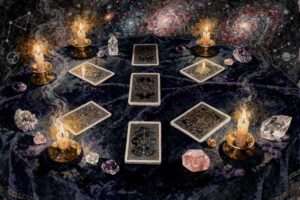
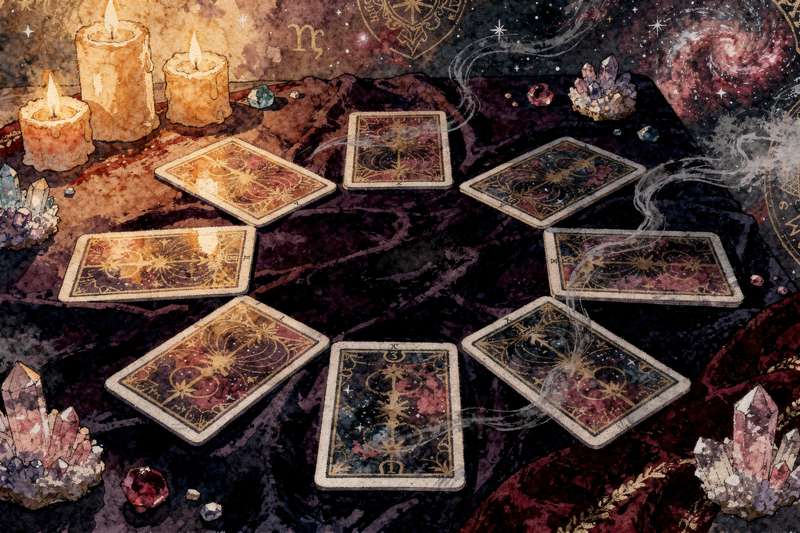
Create a calm, private space where you won’t be interrupted. Light a candle, burn some calming incense like lavender or frankincense, and take several deep breaths to center yourself. Shuffle your deck while setting an intention focused on understanding and compassion rather than judgment. When you feel ready, lay nine cards in three rows of three, moving left to right and top to bottom. The top row represents your wound’s nature and origins (positions 1-3), the middle row explores its function and readiness (positions 4-6), and the bottom row reveals your path forward (positions 7-9). Take your time with each card, allowing its imagery and energy to speak before moving to the next.
Position-by-Position Breakdown
Position 1: What Is Your Deepest Wound?
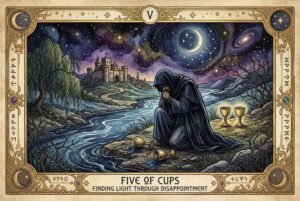
This card reveals the core emotional injury you’re being called to address—not necessarily your only wound, but the one seeking attention right now. It might show up as abandonment, betrayal, unworthiness, or loss of safety. Pay attention to the emotional tone of the card rather than just its traditional meaning. The Five of Cups here might point to grief you haven’t fully processed, while The Tower could indicate a traumatic disruption that shattered your sense of security.
Don’t be surprised if this card feels uncomfortable or brings up resistance. Your psyche has likely protected this wound for good reason. Notice what feelings arise when you look at the imagery. Does the card remind you of a specific time in your life? Does it connect to a relationship or event? Sometimes this position reveals wounds we’ve carried so long we forgot they weren’t always part of us.
Major Arcana cards in this position often point to soul-level wounds that have followed you through multiple life chapters, while Minor Arcana suggests more recent or situational injuries that are nonetheless impacting your present experience significantly.
Position 2: What Is the Deeper Cause of This Wound?
This card takes you beneath the surface event to the root belief or experience that created the wound. If position one showed abandonment, this card might reveal a childhood pattern of emotional unavailability. The root cause isn’t always a dramatic event—sometimes it’s a subtle but consistent message you absorbed about your worth or safety in the world.
Court cards here often indicate a person whose actions or energy planted the seed of this wound, though remember you’re not assigning blame—you’re seeking understanding. The King of Swords might represent a cold, critical father figure, while the Queen of Cups reversed could point to emotional enmeshment or a caregiver’s inability to hold healthy boundaries. Number cards often reveal circumstances or patterns, and Major Arcana suggests karmic or inherited wounds passed down through family lines.
Sometimes this card surprises you by revealing a cause you hadn’t connected to your present struggles. A client once drew The Hierophant here and realized her wound around creative expression stemmed from rigid religious teachings that dismissed imagination as frivolous. The connection seems obvious in hindsight but was invisible while living inside the pattern.
Position 3: How Has This Wound Shaped Your Worldview?
Here you discover the lens through which you’ve been unconsciously viewing reality. Wounds don’t just hurt—they teach us what to expect from life, relationships, and ourselves. This card shows the beliefs, assumptions, and filters that formed around your injury. If you were wounded by betrayal, you might see the Seven of Swords here, indicating you now assume everyone has hidden agendas. A childhood wound of invisibility might show up as the Eight of Cups, revealing a worldview where you believe you must leave before being left.
This position is powerful because it helps you recognize that how you see the world isn’t objective truth—it’s a protective interpretation built from pain. The Moon here suggests your wound created a worldview filled with uncertainty and illusion, where you struggle to trust your perceptions. The Five of Pentacles might show a poverty consciousness or belief that you’ll always be left out in the cold, no matter how hard you try.
Understanding this worldview is essential because it’s been quietly directing your choices, relationships, and reactions. Once you see the filter, you can begin questioning whether it still serves you or if it’s time to clean the lens.
Position 4: How Has This Wound Protected You?
This is often the most surprising and insightful position in the spread. Every wound develops a protective function—a way it keeps you safe from experiencing similar pain again. Your wound isn’t just hurting you; it’s also trying to help you, however imperfectly. The Four of Swords might show that your wound created protective isolation, giving you permission to rest and withdraw when the world felt dangerous. The Eight of Swords could reveal that feeling trapped or powerless became a strange comfort because it meant you didn’t have to risk trying and failing.
Sometimes wounds protect us by making us hypervigilant (Three of Swords—always watching for betrayal), by keeping us small (Nine of Swords—if I don’t hope for much, I can’t be disappointed), or by creating armor (Knight of Swords—if I’m always in attack mode, no one can hurt me first). These protective mechanisms made sense at some point in your journey, even if they’re now limiting your growth.
Understanding this function creates compassion for why the wound has been so hard to release. Your psyche doesn’t want to let go of protection until it knows you’ll still be safe. This card helps you honor the wound’s service before you begin releasing its grip.
Position 5: What Part of This Wound Is Ready to Be Healed?
Not all healing happens at once, and this card shows you what layer or aspect is prepared to transform right now. You might be carrying a complex wound with many facets, but your psyche knows you can only process so much at a time. The Ace of Cups here is beautiful—it suggests your heart is ready to open again, to risk feeling and connecting despite past pain. The Page of Pentacles might indicate you’re ready to heal practical aspects, like financial beliefs stemming from scarcity wounds.
Sometimes this position reveals a specific relationship pattern ready to shift, or a particular trigger that’s losing its power over you. The Ten of Wands could show you’re ready to release the burden of perfectionism you developed to protect yourself from criticism. Death is powerful here, indicating a significant part of your old identity built around the wound is ready to be composted into new growth.
Pay attention to this card’s guidance—trying to heal everything at once often leads to overwhelm and shutdown. Trust that your inner wisdom knows the right pace and sequence for your healing process.
Position 6: What Does Your Healed Self Look and Feel Like?
This card offers a vision of who you’re becoming as you integrate this wound rather than being controlled by it. It’s not about erasing your past or pretending the wound never existed—it’s about transforming pain into wisdom. The Star here is gorgeous, showing a healed self who radiates hope and authenticity, who uses their wounding experience to help others find their way. The Empress might reveal a healed self who finally feels worthy of abundance and nurturing, both giving and receiving with ease.
This position acts as a north star for your healing work. When the process feels difficult or you’re tempted to return to old protective patterns, you can return to this card and remember what you’re moving toward. The Six of Wands suggests your healed self will experience a sense of victory and confidence you couldn’t access while the wound was running the show. The Temperance card often appears here, indicating integration and balance—your wound becomes part of your story without defining your entire identity.
Let this card feed your imagination. Journal about this healed version of yourself. What would they do differently? How would they respond to triggers that currently destabilize you? This vision isn’t fantasy—it’s a blueprint your soul is offering.
Position 7: How Can You Begin the Healing Process?
Now we move into action. This card offers concrete guidance for your first steps on the healing path. It might be practical (see a therapist, start journaling, set a boundary) or energetic (forgive yourself, grieve what was lost, reclaim your voice). The Hermit suggests beginning with solitary reflection and inner work before seeking external solutions. The Three of Cups might encourage you to heal through community, sharing your story with trusted friends or joining a support group.
Wand cards often indicate taking inspired action or creative expression as healing modalities. Paint your feelings, move your body, speak your truth. Cup cards suggest emotional processing—let yourself cry, feel, and release. Pentacles point toward grounding practices like working with your root chakra, spending time in nature, or addressing practical needs that support healing. Sword cards might encourage cognitive approaches like therapy, reading, or changing thought patterns.
Whatever this card shows, start small. You don’t need to overhaul your entire life tomorrow. The Two of Pentacles reminds you to take healing one step at a time, balancing self-work with the rest of your life. The Ace of Swords might simply suggest getting clear and honest about what happened, naming the wound for the first time.
Position 8: What Support or Resources Are Available to You?
You don’t have to heal alone, and this card reveals the support systems, resources, or energies available to assist your process. Court cards often represent specific people—a therapist, a wise friend, a spiritual teacher who can hold space for your healing. The Queen of Cups might be a compassionate listener, while the King of Pentacles could represent a practical mentor who helps you rebuild stability.
Number cards might point to situations or resources: The Four of Wands could suggest your home as a healing sanctuary, while the Six of Pentacles indicates support might come through generosity—either receiving help or discovering that giving to others aids your healing. Major Arcana here often represents spiritual or archetypal support. The High Priestess suggests your own intuition as your greatest resource, while Strength indicates the supportive presence of your own courage and resilience.
Sometimes this card reveals support you didn’t know existed or haven’t thought to access. The Nine of Pentacles might encourage you to invest in professional help or healing modalities like energy work, therapy, or bodywork. Trust that the support you need is available, even if it looks different than you expected.
Position 9: What New Strength Is Being Born Through This Healing?
The final card reveals the gift emerging from your wound work—the strength, wisdom, or capacity you’re developing through this healing process. This isn’t about toxic positivity or pretending pain was “meant to be”—it’s about recognizing that you’re not just surviving, you’re transforming. The Eight of Pentacles might show you’re developing mastery in emotional intelligence or healing practices you can share with others. The Knight of Wands could indicate a newfound courage to pursue your passions without fear.
Major Arcana in this position often represents profound soul-level gifts. The Magician suggests you’re reclaiming your creative power and learning to manifest consciously. The World might indicate you’re completing a major healing cycle and emerging with a sense of wholeness and completion you’ve never before experienced. Justice could show you’re developing a new relationship with fairness, boundaries, and reciprocity.
This card reminds you that healing isn’t just about feeling better—it’s about becoming more. The difficulties you’ve faced and the work you’re doing to integrate them are forging strengths you couldn’t have developed any other way. Your wound is becoming your medicine, both for yourself and potentially for others who will someday benefit from your hard-won wisdom.
Reading the Cards Together as a Complete Story
While each position offers valuable insight individually, the real magic emerges when you read the spread as a flowing narrative. Notice the journey from wound (positions 1-3) through protection (position 4) to readiness (position 5) and into healing (positions 6-9). Look for repeated suits, which indicate where the wound primarily lives—Cups for emotional injuries, Swords for mental or communication wounds, Wands for identity and passion, Pentacles for security and worth.
Pay attention to the progression or lack thereof. If your “first step” (position 7) seems overwhelming compared to “what’s ready to heal” (position 5), you might need to adjust your approach and start even smaller. Notice if certain cards echo each other’s messages or seem to be in conversation. The Nine of Swords in position one (wound) and the Ten of Swords in position nine (new strength) tells a story of anxiety transforming into the wisdom that comes from surviving your worst fears.
Color, imagery, and your intuitive hits matter as much as traditional meanings. Trust the story your cards are telling you, even if it surprises you or challenges your assumptions about your healing process.
Sample Reading Example
Imagine drawing Five of Cups (deepest wound—grief and loss), The Hierophant reversed (root cause—religious trauma or rigid family expectations), Two of Swords (shaped worldview—now you avoid decisions and confrontation), Four of Cups (protection—emotional withdrawal kept you safe), Ace of Cups (ready to heal—your heart wants to open), The Empress (healed self—abundant and self-nurturing), Three of Pentacles (first step—work with a therapist or join a healing group), Queen of Wands (support—your own fierce compassion and creativity), and Strength (emerging gift—gentle power and emotional courage).
This spread tells the story of someone whose grief was compounded by a rigid environment that didn’t allow emotional expression. They learned to shut down and avoid feeling to stay safe. Now they’re ready to risk feeling again, heal into someone who nurtures themselves abundantly, and they’re being guided to work with others rather than heal in isolation. Their wound is birthing a profound strength—not aggressive power, but the courage to be vulnerable and feel deeply.
Common Mistakes to Avoid
- Rushing through the reading: This spread requires time and gentleness. Don’t try to interpret all nine cards in ten minutes. Sit with each position, journal, and return to the spread over several days if needed.
- Judging the wound or protection mechanism: Your wound and its protective function developed for good reasons. Approach this reading with curiosity and compassion rather than criticism or shame.
- Expecting immediate transformation: Understanding a wound is the first step, not the final one. This spread illuminates the path, but you still have to walk it with consistent, patient effort.
- Ignoring position 4 (how it protected you): Many readers skip this or dismiss it, but understanding the wound’s function is crucial for releasing it without creating new vulnerabilities.
- Forcing positivity in difficult cards: If position 6 (healed self) shows a challenging card, don’t twist it into false optimism. Explore what authentic healing might look like even in complexity—sometimes our healed self is wiser and more discerning, not just happier.
Final Thoughts on the Inner Healing Tarot Spread
The Inner Healing Tarot Spread is a powerful companion for anyone walking the path of emotional and spiritual recovery. It honors both the reality of your wounds and the possibility of your wholeness. Remember that healing isn’t linear—you might need to return to this spread multiple times as different layers surface and integrate. Your wounds carried important information about where you needed protection, and your healing carries equally important information about who you’re becoming. May this spread serve you with clarity, compassion, and the gentle reminder that you’ve always been whole, even while you were hurting.
Frequently Asked Questions
How is the Inner Healing Tarot Spread different from a general reading?
This spread is specifically designed for emotional and spiritual recovery rather than forecasting or decision-making. It focuses on understanding wounds, protective patterns, and healing pathways with compassion. Unlike general readings, every position guides you deeper into self-understanding and transformation.
Can I use this spread for someone else’s healing?
While you can read this spread for others, it works best when the person receiving the reading is genuinely ready and willing to examine their wounds. Never force healing work on someone who hasn’t asked for it, as this can create harm. Always obtain clear consent and hold space without judgment.
What if I draw mostly difficult cards in the healing positions?
Challenging cards in positions about healing or support don’t mean you’re doomed—they often reveal where you’re being called to develop resources you don’t yet have. The Tower as your “first step” might mean dismantling old structures before rebuilding. Trust that even difficult cards carry wisdom about what your healing truly requires.
How often should I use the Inner Healing Tarot Spread?
This isn’t a daily spread—use it when you feel called to deeper wound work, perhaps quarterly or when processing significant emotional material. Repeating it too frequently can keep you stuck in analysis rather than moving into actual healing action. Give yourself time to integrate each reading’s insights before returning.